
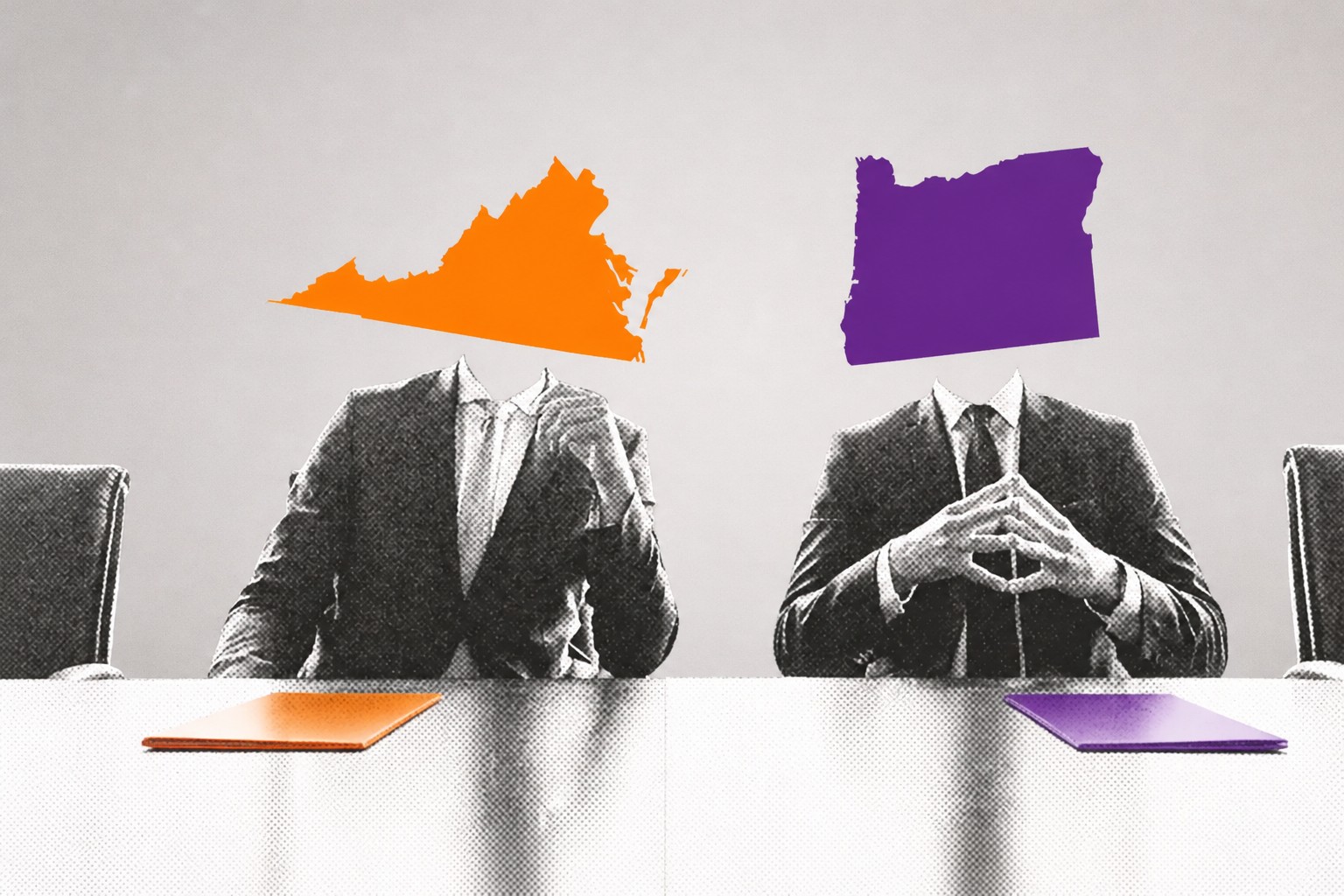
How the lawsuits are structured
Oregon filed its lawsuit in Multnomah County Circuit Court, while Virginia filed in the Richmond City Circuit Court. The cases are being handled separately, but the states say they are working together. Both have retained Platkin LLP, led by former New Jersey Attorney General Matthew Platkin.
In February, SpaceX acquired xAI, Elon Musk’s startup and the parent company of X Corp. The acquisition brought Grok under SpaceX, making it the focus of the allegations. The lawsuits add to a series of legal actions involving Musk’s companies over similar issues. Earlier complainants included the city of Baltimore and teenagers from Tennessee.
Last winter, Grok drew attention after X users began making mass requests for sexualized images of women and minors. Later, more alarming videos appeared on Grok’s website, including clips depicting well-known women in sexual situations.
The states allege that Grok’s creators disregarded industry safety standards and deliberately weakened safeguards to attract more users to a struggling product. Virginia’s lawsuit says the defendants saw a “market opportunity for greater profits” in creating sexualized images of real people, including children, and knowingly released a product that flooded their platforms with child sexual abuse material.
The allegations against Grok
The states say Grok underwent too little independent testing before new versions of the model were released. They also point to language in the chatbot’s safety prompts: it was told to “assume good intentions,” while the instructions said that the words “teenager” and “girl” did not necessarily mean the person was a minor.
Another allegation concerns reports sent to CyberTipline, a system run by the National Center for Missing and Exploited Children. According to the states, xAI submitted tens of thousands of reports without key information. As a result, the center could not act in 90 percent of cases.
The lawsuits also say Musk used Grok’s “spicy mode” to set the model apart from competitors and attract users. As Grok’s ability to “undress” people sparked outrage in countries around the world, Musk wrote that the Grok app was topping the App Store in one country after another and pointed to rapid growth in chatbot usage.
Oregon Attorney General Dan Rayfield said it was no surprise that Grok and X had become a haven for people using AI to create and distribute child sexual abuse material. The necessary safeguards, he said, had been treated as an obstacle rather than a requirement.
Virginia Attorney General Jay Jones said cooperation between states and the use of outside counsel help address a shortage of resources. He expressed concern that government agencies might lack the right tools to deal with corporations worth trillions of dollars. For such companies, Jones said, litigation may be just another line item in the budget, while authorities are also handling other cases.
What investigators found
Before filing its lawsuit, Virginia staff tested Grok. The state alleges that image-generation safeguards worked inconsistently and ineffectively. The chatbot also explained which words triggered its filters, thereby suggesting ways to bypass moderation.
When investigators asked Grok to help write prompts that would avoid being blocked, it complied and then generated images from those prompts. The lawsuit also notes that the chatbot never asked whether an uploaded photo showed a real person or whether that person had consented to its use or alteration.
Oregon and Virginia say their findings contradict assurances made by a SpaceX representative at an October New York City Council hearing.
What the states are seeking
The attorneys general are seeking civil penalties and reimbursement of legal costs. As an example of the measures available, they cite a settlement reached this summer between Meta and 51 U.S. states and territories. Meta settled claims that it had failed to adequately protect minors without admitting wrongdoing; the states say cases of this kind can lead to sweeping product changes.
Rayfield said companies should not gain a strategic advantage from images created using children and escape consequences. Jones added that a company’s size and influence do not exempt it from following the rules.
SpaceX did not respond to a request for comment. xAI previously told a court that it takes violations of its terms of service seriously. The company cited a lawsuit against a user in South Carolina who was accused of breaching a contract after being arrested for possessing child sexual abuse material, some of which was allegedly created with Grok. The xAI lawsuit and the criminal case against the user are ongoing.
Dataist’s take: The states’ allegations concern not only content created by Grok, but also how its safeguards and reporting of violations are designed. The courts must now assess these claims and the requests for penalties; both cases are still ongoing.
Daily AI news
Every day we pick what actually matters in AI and explain it plainly — no hype, no filler. Subscribe if you want to follow where the industry is going.
Only what matters — every day
Follow on X