
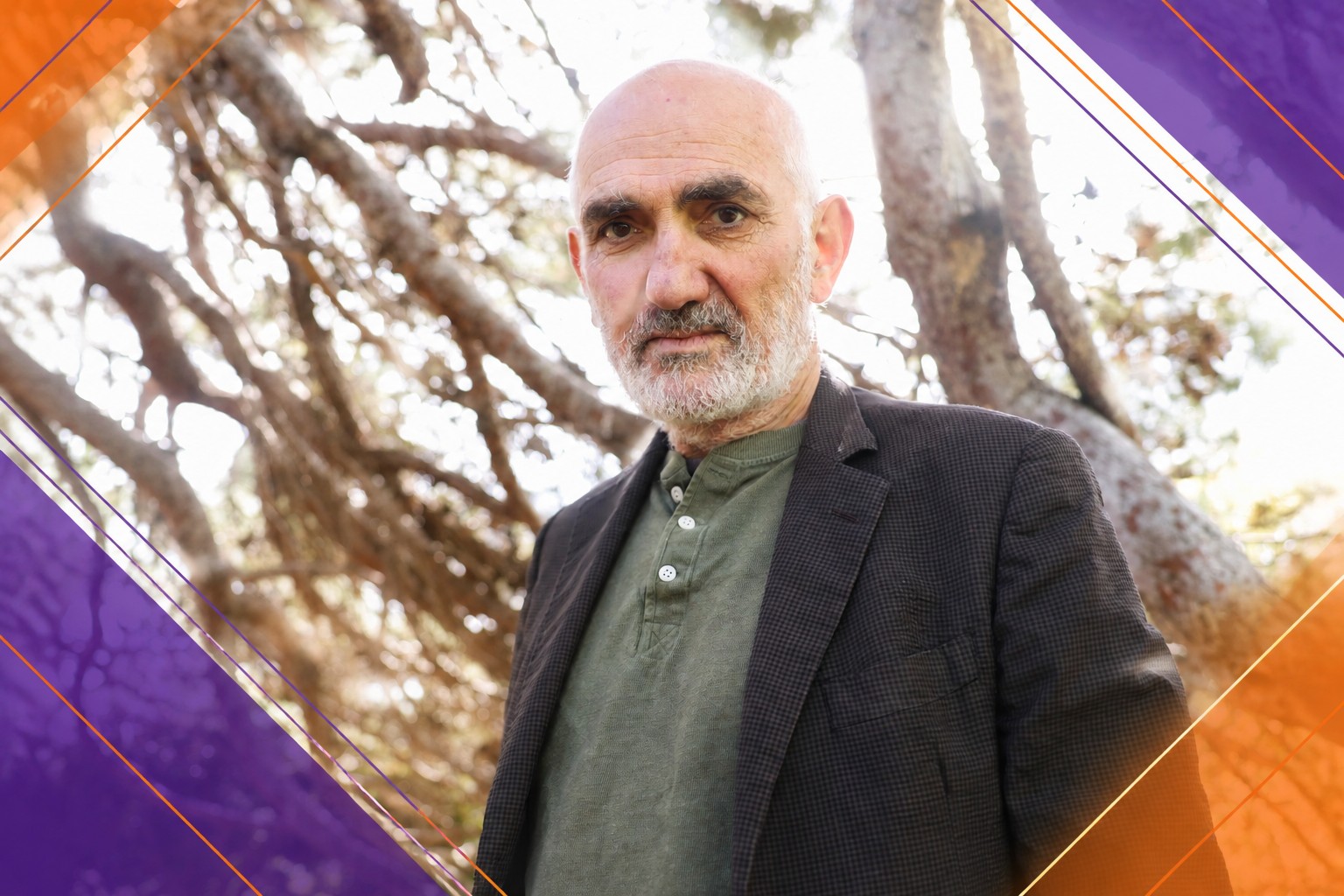
Australian musicians and creative organisations have launched the Not AI’s To Take campaign, urging Anthony Albanese’s government not to weaken copyright under pressure from AI companies. Ahead of the Aria Awards, the campaign received support from Jimmy Barnes, Paul Kelly and Peter Garrett. Industry representatives say the rules do not need rewriting; they need stronger enforcement. In their assessment, an industry worth $70 billion and 600,000 jobs are at stake. The government plans to introduce an AI legislative package in late 2026 or early 2027.
Australian creative industries call for copyright protection from AI
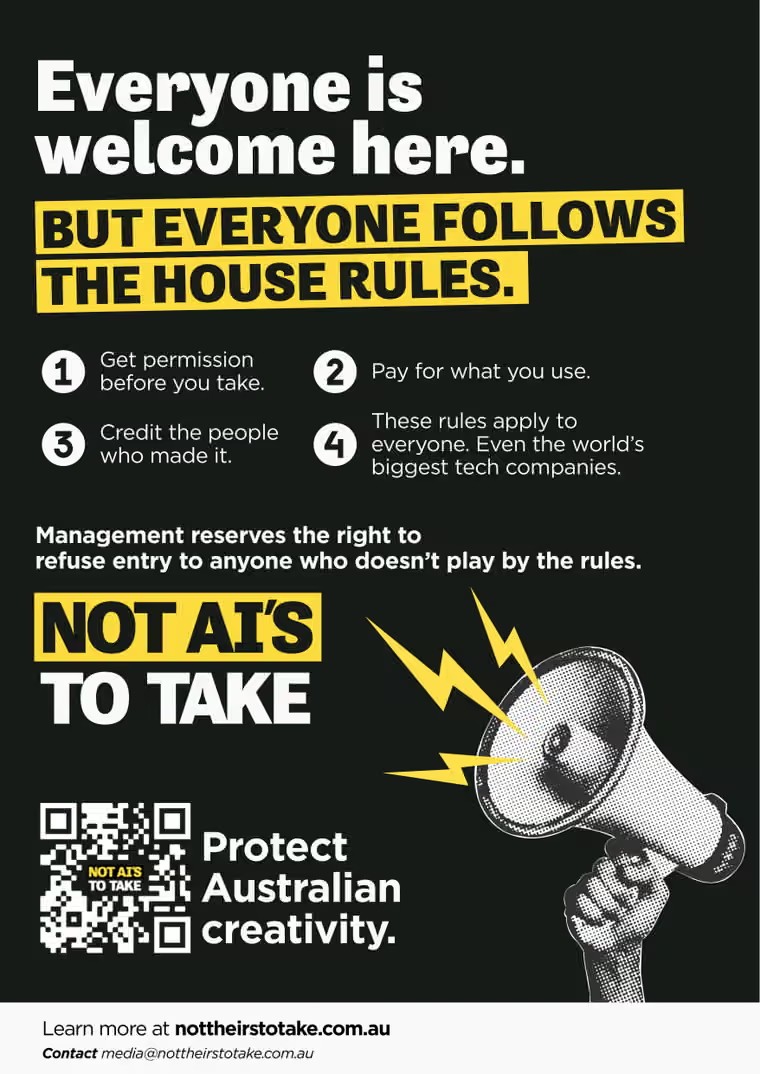
What the campaign is seeking
Not AI’s To Take is backed by Aria, Copyright Agency, the Australian Directors’ Guild, Screen Producers Australia, the Australian Society of Authors, the Australian Writers’ Guild, and media companies Foxtel, Free TV, Nine, Seven and Guardian Australia.
Australian musicians Montaigne and KLP have backed the campaign online. According to Guardian Australia, Barnes, Kelly and Garrett will also take part — musicians admired by Prime Minister Albanese.
KLP, whose real name is Kristy Lee Peters, said the government had always supported Australian music and creativity, and urged it to keep doing so: uphold copyright and prevent large technology companies from changing the rules at creators’ expense.
In statements published on the campaign website, Barnes sharply criticised AI companies. Kelly recalled that Australia had been proud of having some of the world’s best copyright laws and urged the government to stand firm.
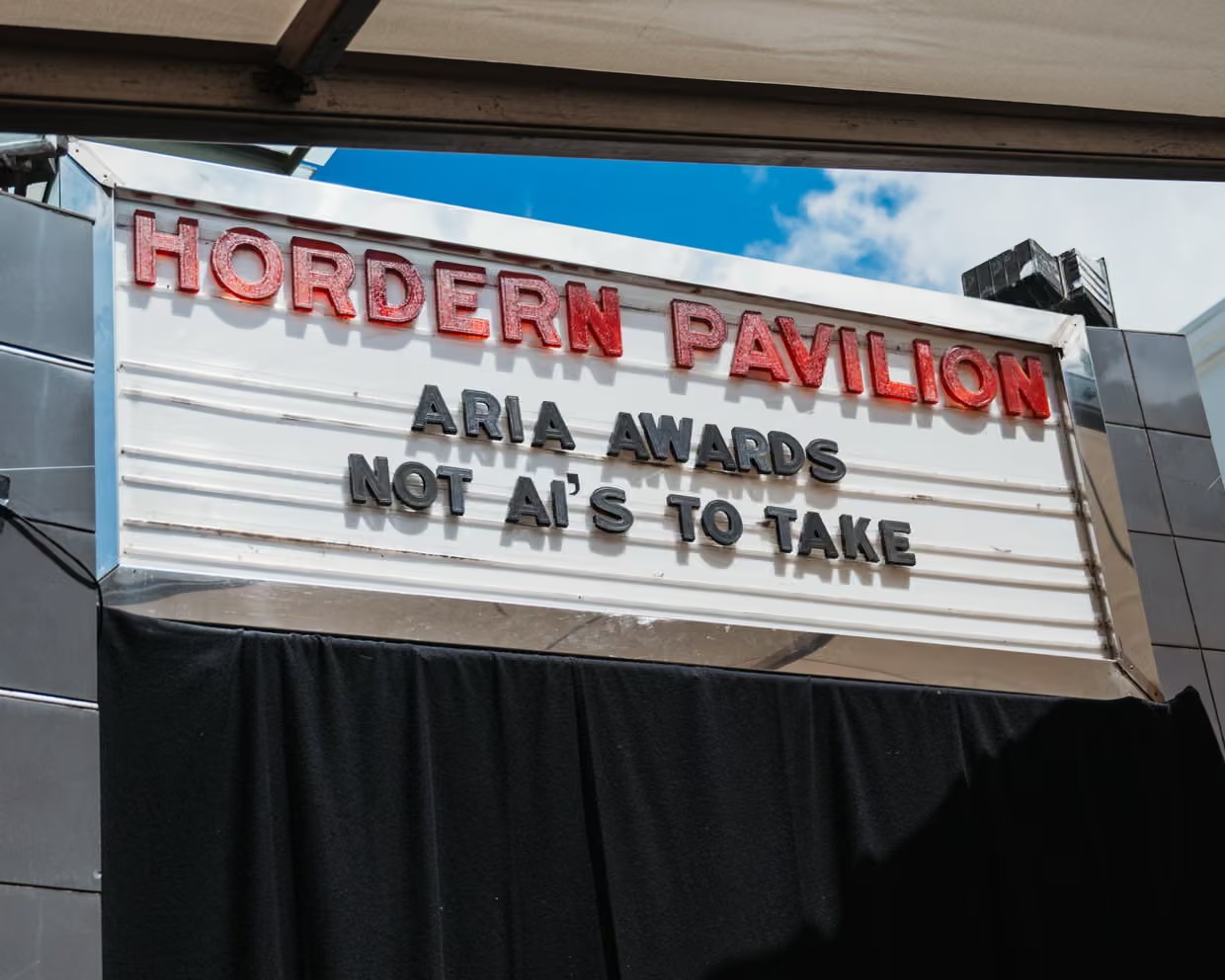
The Not AI’s To Take campaign is backed by Aria, the Copyright Agency, the Australian Directors’ Guild, Screen Producers Australia, the Australian Society of Authors, the Australian Writers’ Guild, and media organisations including Foxtel, Free TV, Nine, Seven and Guardian Australia. Photograph: Instagram/aria_official
Source: theguardian.com
The debate over AI rules
Albanese has said that using works without paying their creators would be theft. AI companies argue that under the current rules, negotiating separate licensing agreements with every rights holder is too difficult. They are also seeking legal certainty before investing in Australia and training models there.
Anthropic has proposed allowing creative material to be collected for training unless rights holders have asked in advance for their works to be excluded. At a parliamentary committee hearing, however, the company said it would continue to provide cutting-edge models to eligible Australian organisations regardless of whether training on such material is permitted.
The government is preparing an AI legislative package expected to be introduced in late 2026 or early 2027. The proposals will cover data centres, online safety, productivity and copyright. Last week, Albanese said artists should be paid when their work is used. But the creative community fears that lobbying by large technology companies could influence government decisions.
Patricia Di Biase-Dyson, executive director of the Australian Publishers Association, stressed that the campaign is not intended to vilify technology companies. The participants are speaking openly about the problem, she said, while technology companies act behind closed doors. She added that too much is at stake and that it is important to explain what is happening to a broad audience.
The government’s position and a senator’s concerns
Dean Ormston, chief executive of music rights organisation Apra Amcos, said AI platforms had not yet approached industry representatives to discuss terms. In his view, the problem is not how copyright works but the lack of dialogue.
Ormston said the creative industries welcome investment and the opportunities associated with AI. They have also supported the Labor Party’s rejection of a text and data mining exception and Albanese’s public statements in defence of creators. But industry representatives are concerned about possible legislative changes. Ormston said their message to the government is to maintain its current position: Australia needs AI on its own terms.
Asked about the campaign on Tuesday, Industry Minister Tim Ayres said the government’s approach to copyright had not changed. He acknowledged that the current situation was unsatisfactory for creative workers: their works are already being used overseas without permission. The government, he said, is preparing a legislative framework that will protect creators’ rights while enabling AI investment on Australia’s terms. Ayres stressed that the government does not intend to undermine copyright.
A spokesperson for Attorney-General Michelle Rowland said the government supports creative workers. Any changes, the spokesperson said, should give creators meaningful control over how their works are used and ensure they are fairly paid.
Independent senator David Pocock urged caution about making changes. He warned that new rules could create a legal loophole and turn Australia into a global hub for data laundering. More than 100 court cases concerning copyright and AI training are being considered in the US, he said, so it would be better to wait for their outcomes before changing the law.
Dataist’s take: The dispute in Australia is about who will set the terms for using works to train AI: creators, platforms or lawmakers. The government is promising both to protect creators’ rights and to set rules for AI investment, but the timeline for the package and its contents remain uncertain.
Daily AI news
Every day we pick what actually matters in AI and explain it plainly — no hype, no filler. Subscribe if you want to follow where the industry is going.
Only what matters — every day
Follow on X