

A button, not an open mic
Persona resembles Meta’s Instinct or Muse, with a wearable device due in December. The wristband will not continuously listen or record its surroundings. Users can activate the assistant with a button or set it to turn on with a wrist movement.
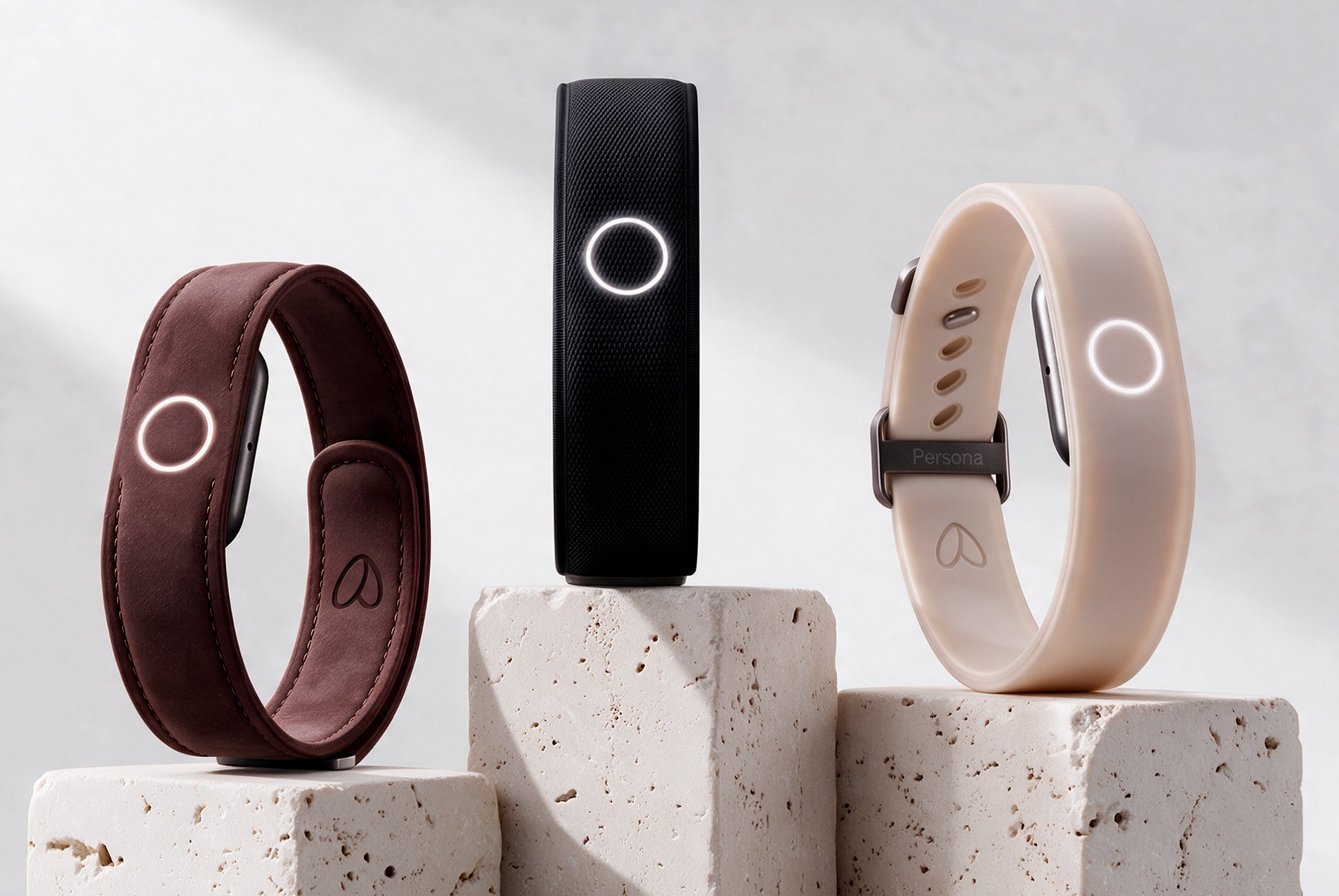
The AI model runs in Persona’s cloud, not on the wristband, and the device does not store user data. Persona says data is encrypted in transit and at rest, and users will be able to delete it. Yadegari says conversations will remain private and will not be sold to advertisers or data brokers.
The product is currently a free beta accessed through iMessage. Yadegari says several thousand people use it, and wristband preorders have already generated five figures in revenue. The team is also developing an app.
Persona is designed to handle familiar assistant tasks:
Yadegari’s longer-term ambition is more expansive: he thinks shopping apps, Uber, DoorDash and email could converge into one AI-run super-app. He also wants Persona to become proactive, solving problems before users notice them and reducing the need to stare at a phone all day.
The trust test
Persona says it is building safeguards against phishing and prompt-injection attacks, risks associated with AI agents that labs including OpenAI have highlighted. It also says the assistant will not see users’ bank-card details. Purchases require user approval and will go through outside services such as Stripe Link, Stripe’s digital wallet designed for agents.
Advertising is part of the business model, too. When users search for products, Persona will show sponsored options. Yadegari says recommendations will remain impartial because the assistant will not know which products are advertised. A search for an office chair, for example, could return suitable options based on a user’s preferences, including sponsored products.
I think the harder question is not whether the wristband records continuously; Persona says it will not. It is how users should judge recommendations when ads are part of the model, even if the assistant is supposedly unaware of which results are sponsored. That separation is central to the promise, but the announcement does not explain how it will be maintained or verified.
That gap matters more as Persona moves from answering messages to taking actions. The assistant may be able to arrange purchases and travel, but every transaction still requires approval. For now, the product’s pitch is a future in which an assistant does more on a user’s behalf, while its safeguards keep the user in control.
Yadegari will speak at TechCrunch Disrupt, which runs October 13–15 at Moscone Center in San Francisco. Before Cal AI, he started his first business in ninth grade and sold it for $100,000 at age 16.
Daily AI news
Every day we pick what actually matters in AI and explain it plainly — no hype, no filler. Subscribe if you want to follow where the industry is going.
Only what matters — every day
Follow on X