
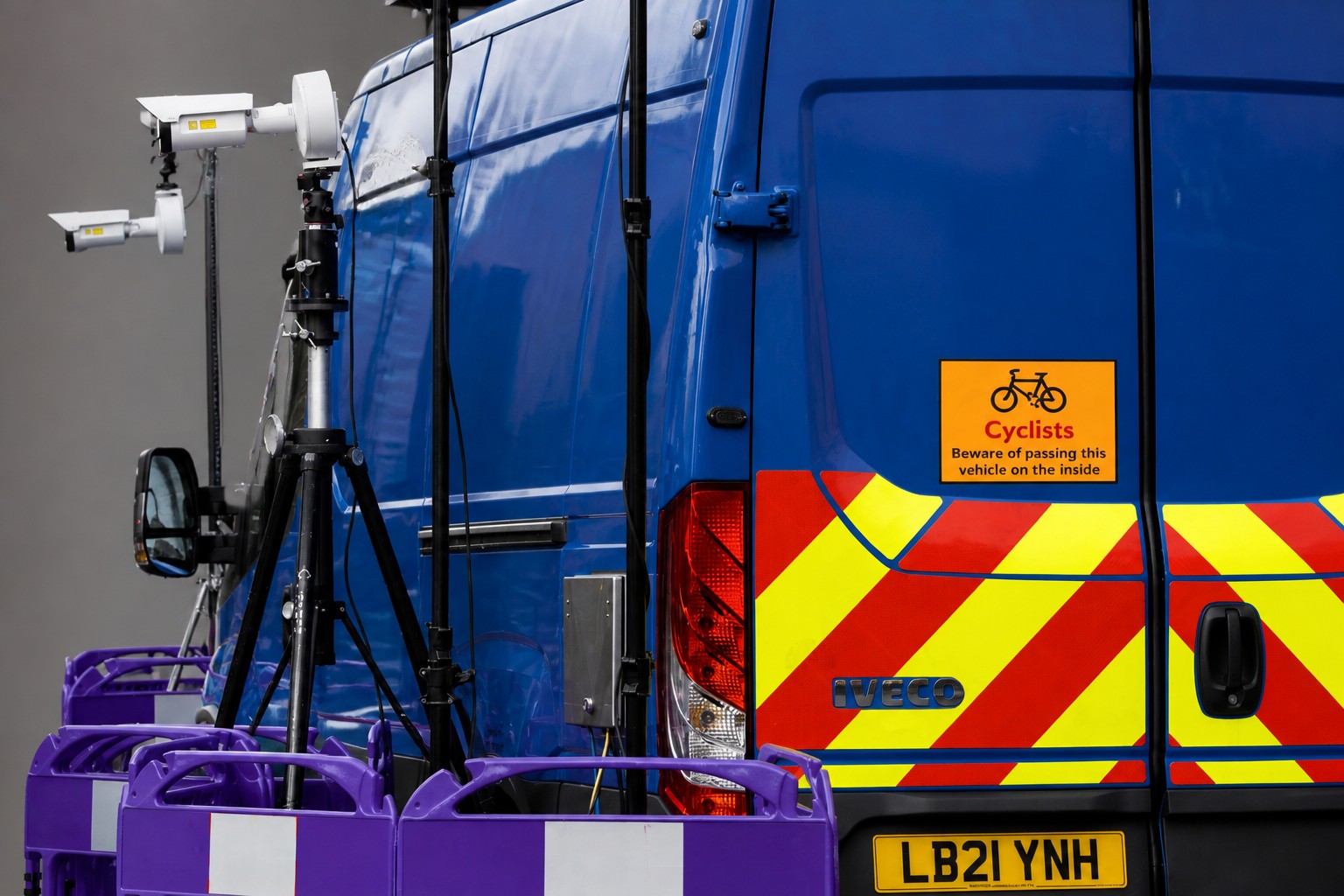
The police inspectorate for England and Wales warns that if officers treat retrospective facial recognition results as evidence rather than investigative leads, innocent people could be arrested — especially members of ethnic minorities. The review found algorithmic errors, unsuitable search images and cases where officers failed to carry out enough additional checks. Inspectors also found that some custody photos that should have been deleted were still being stored, and that legislation has not kept pace with the technology.
Facial recognition errors raise the risk of innocent people being arrested
A search result is a reason to investigate
A report by His Majesty’s Inspectorate of Constabulary, published on Wednesday, focuses solely on retrospective facial recognition: the system compares an image with photographs already on file. Inspectors note that this approach is considered less controversial and less complex to use than real-time recognition, which is used to search for suspects.
Some investigators, however, did not understand that retrospective facial recognition results are intelligence, not evidence. Officers should carry out additional checks before taking action. Inspectors found cases where officers relied too heavily on possible matches and opened investigations without sufficient corroboration. This can lead to misidentification and arrest, as well as undermine public trust in the technology.
The algorithm itself is also a concern: it is more likely to misidentify members of ethnic minorities. Reviewers also found cases where users uploaded low-quality or unsuitable images for searches — blurry photos and images containing multiple faces. These images reduced the likelihood of getting a reliable match.
Photo retention and rules for use
Inspectors also warned that photos of people taken into custody had been kept when they should have been deleted. The report also identifies gaps in the law: rules have not kept up with changes in the technology, and there is no single, comprehensive legal framework for its use. This makes it harder for police forces to determine the legal basis for using retrospective facial recognition and the safeguards required.
His Majesty’s Chief Inspector of Constabulary, Katherine Stone, said public support depends on how responsibly the technology is used. The police must show, she said, that safeguards work, bias and data-retention risks are controlled, and people continue to make the decisions. In her view, clearer laws, consistent national standards and stronger oversight are necessary to maintain public trust.
Police and civil liberties groups
Police leaders see facial recognition as the next major step in fighting crime; critics view it as a serious threat to civil liberties.
Jasleen Chaggar of Big Brother Watch called it alarming that officers treat a facial recognition result as reliable evidence rather than a probability assessment. This increases the risk, she said, that innocent people will have to answer for crimes in cities they have never visited. Chaggar also said police do not record their use of retrospective facial recognition, meaning someone could become a suspect without knowing why they are being accused. She opposed using the algorithm without sufficient safeguards and settings to reduce the higher risk of misidentifying women, Asian people and Black people. She also opposed searches across millions of custody photos that, she said, are being held unlawfully.
Ben Russell, who leads on facial recognition at the National Police Chiefs’ Council, said police intend to use the technology ethically, proportionately and responsibly — to investigate crime, bring offenders to justice and protect communities. He added that the council welcomed the inspectorate’s recognition of the technology’s potential.
Professor Pete Fussey of the University of Southampton, who previously advised police on facial recognition, noted that the law requires meaningful human review of AI decisions. The report, however, includes examples, he said, of investigators accepting the system’s suggestions without further checks.
Dataist’s take: the technology’s key limitation here is how much its results depend on the quality of the input images and on how officers use potential matches. While the law and photo-retention rules remain unclear, checking the algorithm alone is not enough: police need to carry out additional checks and have a person assess every potential match.
Daily AI news
Every day we pick what actually matters in AI and explain it plainly — no hype, no filler. Subscribe if you want to follow where the industry is going.
Only what matters — every day
Follow on X