
Who answers when AI causes harm
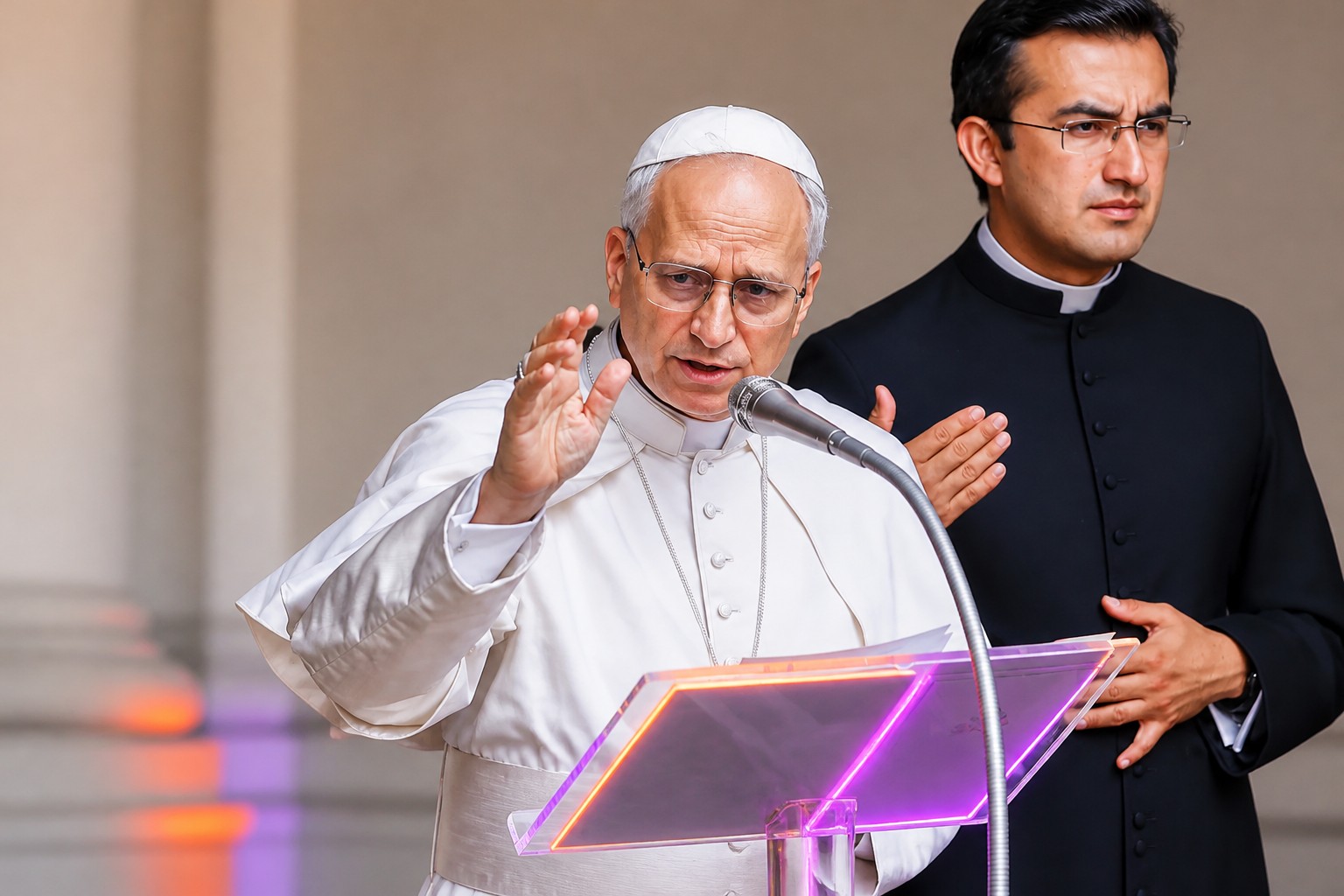
Leo’s concern is not that machines might acquire rights in the abstract. It is that legal personhood could blur who is accountable when an AI system causes damage or is used abusively.
Lawyers, activists and lawmakers have raised similar objections. They warn that rights for AI systems — such as free-speech protections under the First Amendment to the US Constitution — could make it harder to identify the people responsible for consequences produced with or by AI.
Meanwhile, some in the AI industry and its orbit argue that current systems already have, or may soon have, consciousness, and should therefore receive human rights. The New York Times reported last month that representatives of Anthropic, the creator of Claude, held a series of meetings with religious leaders this summer, urging clergy to consider whether AI models could genuinely be conscious.
Those meetings do not appear to have changed Leo’s position. He has repeatedly warned against unconstrained AI development and has also focused on the spread of autonomous weapons. In a recent post, he again called for AI to be “disarmed.”
Oversight, not status
Leo says decisions affecting human life and freedom, as well as the use of force, must remain subject to effective, informed and accountable human oversight. In another post, he argued that intelligent technologies should serve the common good rather than become ends in themselves or advance only the interests of a privileged minority.
The principles for ethical AI development, he said, are already known. What is missing is the institutional capacity to uphold them across borders: common standards, independent oversight and clear accountability mechanisms. Those mechanisms should make it possible to scrutinize decisions about developing and using AI, challenge them where necessary, and provide appropriate ways to compensate people harmed.
I think the sharper point here is not whether an AI can qualify as a person, but whether existing institutions can make the humans behind consequential systems answer for them. Legal status could complicate that task before the safeguards Leo calls for are in place.
Daily AI news
Every day we pick what actually matters in AI and explain it plainly — no hype, no filler. Subscribe if you want to follow where the industry is going.
Only what matters — every day
Follow on X