
Learning how much help to give
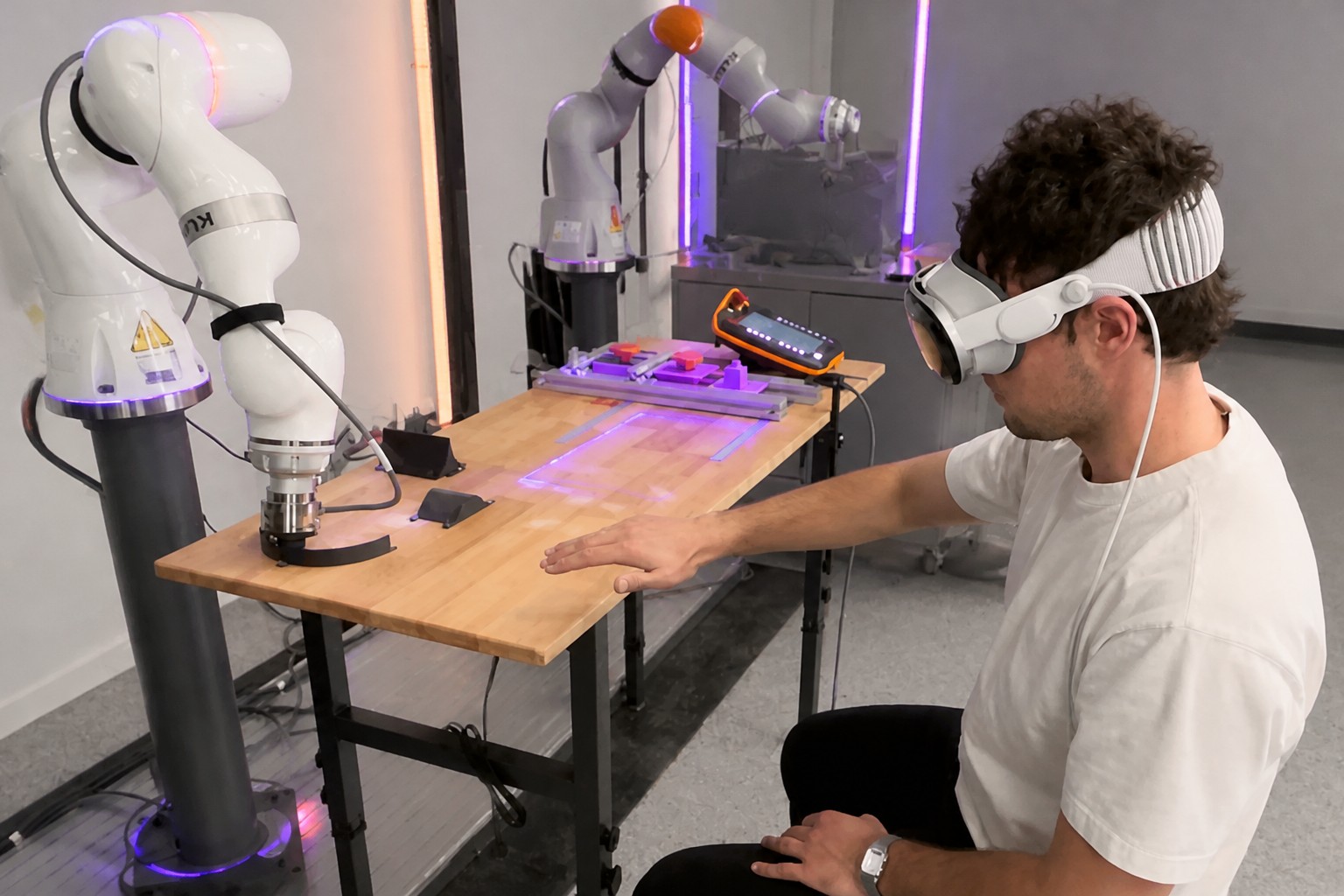
The system is designed to let patients practise movements with a robot while adapting assistance to the task. Lachner says the aim is to extend therapists’ capabilities, not replace them.
Early robotic experiments have shown the approach is feasible. The next steps are more demanding: develop models tailored to individual therapists, then test them in a long-term clinical study with the same patients who previously received manual therapy.
The test is clinical, not technical
Feasibility is a low bar for a rehabilitation tool. The key question is whether a robot can provide useful, appropriately calibrated support over time for the patients who need it. I think the proposed study matters more than the generative AI: matching a therapist’s approach is only valuable if it helps patients sustain rehabilitation.
Lachner also sees possible applications in industry, where people work with objects through physical contact, and in collaborative workspaces. Those settings broaden the ambition, but the immediate case rests on a harder promise: that robotic assistance can widen access to rehabilitation without turning the therapist’s role into a software setting.
Source: technologyreview.com
Daily AI news
Every day we pick what actually matters in AI and explain it plainly — no hype, no filler. Subscribe if you want to follow where the industry is going.
Only what matters — every day
Follow on X