

From hardware to access
Rabbit’s R1 became one of the early symbols of the AI hardware rush after its CES 2024 debut. The device was meant to handle tasks such as calling an Uber or ordering food through DoorDash. Its agent features performed poorly, and WIRED gave it 3 out of 10.
The market has changed since then. AI agents have become a central Silicon Valley theme, while the underlying assistants have improved. Meta’s Muse agent was recently blocked from bypassing Amazon’s restrictions and making purchases for users through a virtual machine. Lyu said Rabbit faced a similar situation about a year and a half ago because the R1 also used a virtual machine to act inside applications.
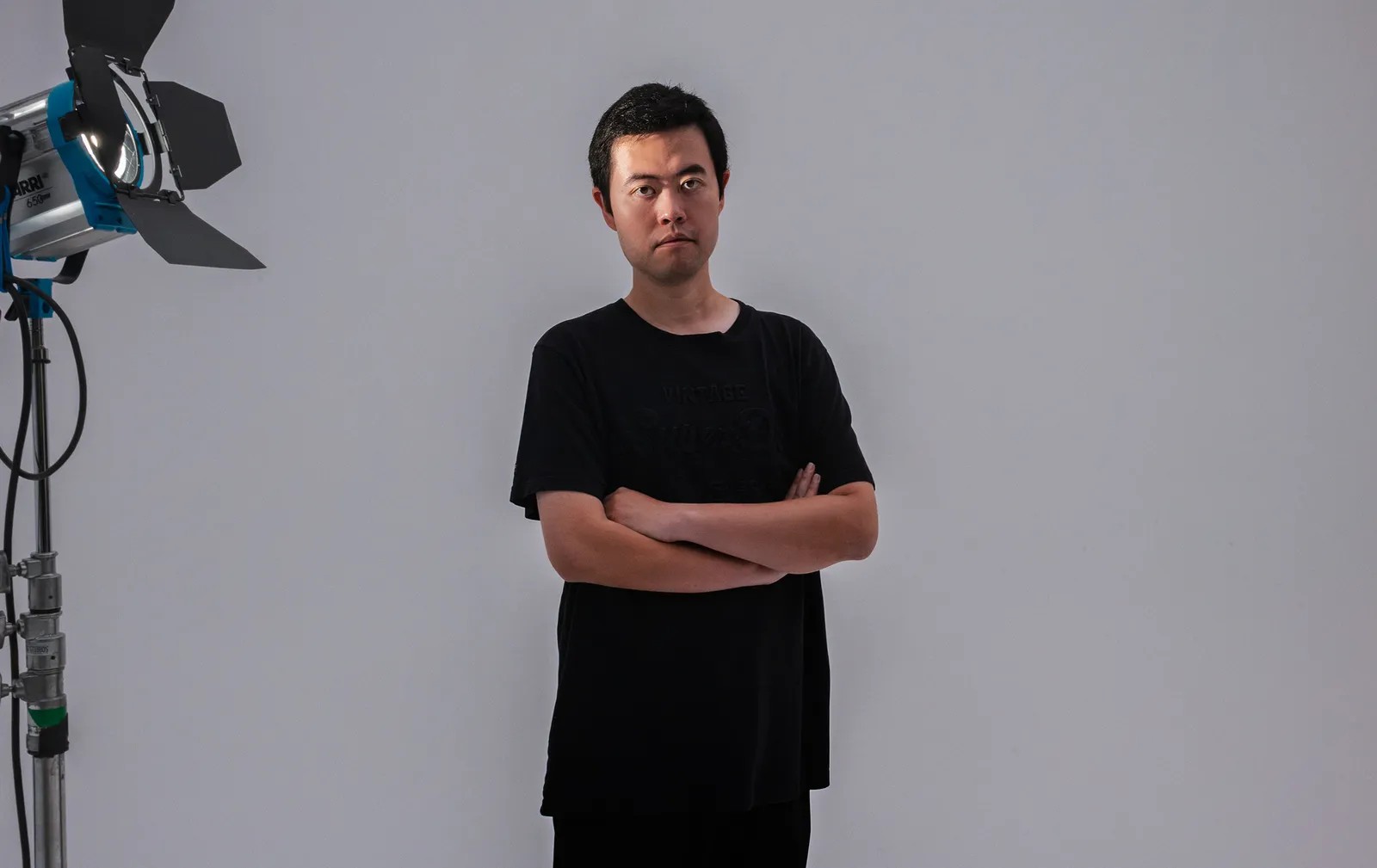
Rabbit now says the R1 was not a technical miscalculation. Jesse Lyu argues that the company was simply operating with far fewer resources than AI studios that had raised billions of dollars. Rabbit raised about $60 million and now has 15 employees.
Lyu also described the R1’s business as financially successful:
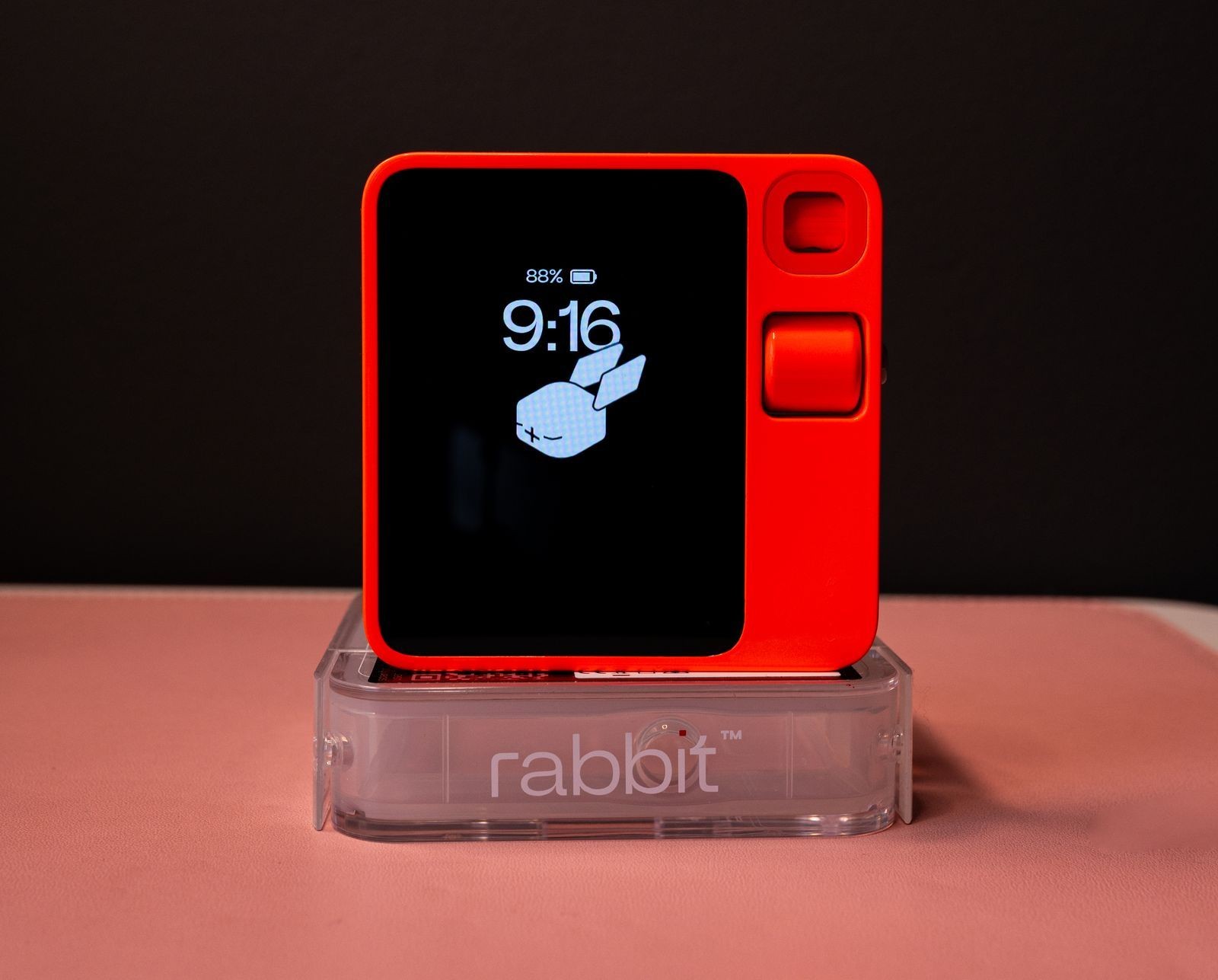
He said Rabbit has shipped more than 100,000 of the orange-red devices, developed with Teenage Engineering, worldwide. The company does not charge a subscription for its AI features, unlike many competitors, and Lyu said its hardware margin is roughly 45–50%.
Rabbit kept its team small after the R1’s poor launch instead of rapidly hiring. Around the same time last year, the company’s position became difficult: a planned India launch failed because of regulatory restrictions, creating financial pressure, and several employees went on strike over unpaid wages. Lyu said he respected their decision and that Rabbit later received additional funding. He now says the company has no financial problems.
The company chose software updates over a quick second device. It has released about 50 updates over the past year and a half, while its Discord community has grown to more than 12,000 users. Community members have proposed future features, and R1 owners can now integrate agents such as OpenClaw or Hermes instead of relying only on Rabbit’s own models.
Source: wired.com
Lyu says the current R1 is a fundamentally different product from the one that launched: more open, with users deciding how to work with it. He also showed four or five orders placed through Rabbit’s website that morning, though those figures did not include sales through Amazon, Target or Best Buy.
The R1 is no longer the plan
Rabbit has stopped manufacturing the R1, and its remaining inventory is gradually running out. Existing owners will still be able to use the device as an input and output interface for OS3.
There is no R2 on the roadmap. Rabbit’s next hardware product is a cyberdeck for vibe coding, built around OS3 and expected within “several months.”
Source: wired.com
That makes OS3 more than a companion product for the R1. It is now Rabbit’s main platform, with the old gadget serving as one possible endpoint rather than the center of the business.
What OS3 does
Rabbit describes OS3 as an open, cross-platform agent system that runs across a user’s devices. The platform is hosted in the cloud, while a local agent node connects it to applications, files and web pages on a computer. The node works on Windows, Mac and Linux.
OS3 uses Rabbit’s DLAM, or Direct Large Action Model, to perform tasks in local applications and to write and debug code. One account can connect to as many as five computers, and OS3 decides which machine should handle a particular task.
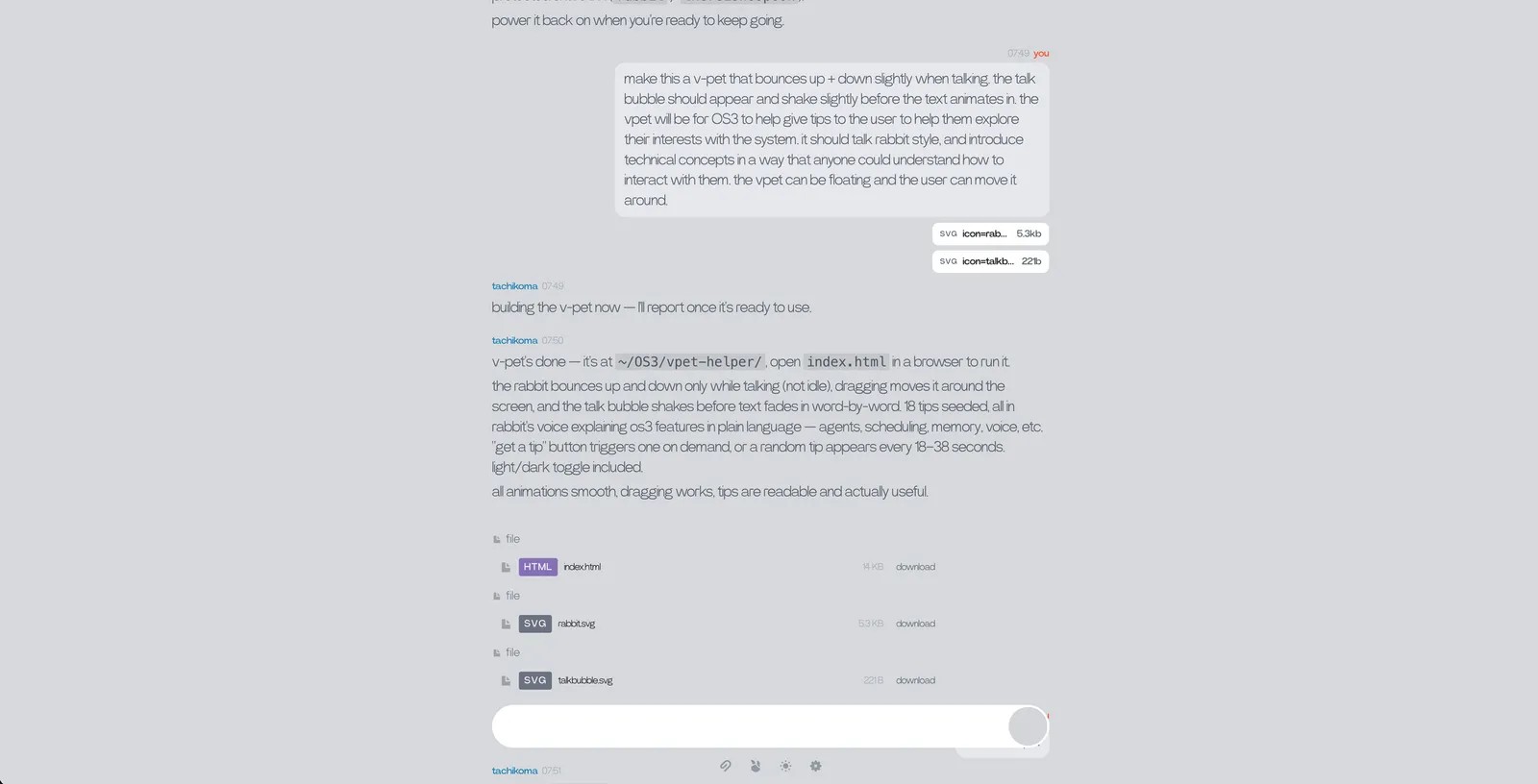
The interface is a single continuous chat stream rather than a sidebar of separate conversation branches. Lyu calls it an interface for “dumping thoughts”: the user supplies an intention, and the system selects the models and tools it needs.
The platform also supports portable agent skills. A user can paste a public link to a third-party agent skill into the chat, and OS3 installs it automatically without requiring technical knowledge.
Source: wired.com
Rabbit is using a bring-your-own-key model. OS3 has no monthly fee, but users must provide API keys from providers such as OpenAI or Anthropic, or connect local open-source models.
Lyu offered two examples of how he uses it. Suppliers send him a weekly Excel report on R1 sales. Previously, he would view it on his phone, return to his computer, open the document and manually transfer the data into a master spreadsheet. With the Rabbit agent installed on his computer, he can send a Telegram message from his phone and have the system perform the routine task.
On another occasion, Lyu was travelling to a video shoot that would take most of the day. He could not respond in Slack, so he asked OS3 to represent him. According to Lyu, the agent held a 50-minute conversation with an engineer and identified itself as his agent. It also accessed files on Lyu’s computer to answer the engineer’s questions.
Rabbit says the local agent does not store, copy or sell user data. Conversations and memory logs are held on Rabbit’s servers, while file contents remain on the user’s computer. But when a task requires model reasoning, the relevant prompts pass through Rabbit’s servers to the model provider, where they are handled according to that provider’s rules.
My read is that OS3 is a pragmatic correction to Rabbit’s original strategy. The company spent the R1’s life making a dedicated device less isolated and more capable, only to arrive at a system that does not need the device at all. The platform’s strongest pitch is not that Rabbit has invented a new computer; it is that an agent can reach the computers and services already in a user’s life.
The more important question is what “open” means in practice. BYOK keeps Rabbit from charging a subscription, but it shifts model costs and some responsibility to the user. The data path also matters: files may stay local, while prompts still travel through Rabbit and onward to an outside model provider. That trade-off is quieter than the product’s cross-platform message, but it will shape whether OS3 feels like a useful control layer or another service users must carefully supervise.
OS3 is available to try today, and the move removes the central assumption behind Rabbit’s 2024 launch: people did not need another device in their pocket to talk to AI. Rabbit’s next test is whether removing its own hardware makes the agent more useful—or simply makes Rabbit easier to replace.
Daily AI news
Every day we pick what actually matters in AI and explain it plainly — no hype, no filler. Subscribe if you want to follow where the industry is going.
Only what matters — every day
Follow on X