
Rankin publishes a book of unseen images and criticises AI
Rankin says he hates AI and believes its development poses a danger to society and culture. That may surprise those who have followed his work with generative models. In 2021, artist Damien Hirst introduced the photographer to their capabilities, and Rankin began studying the technology more closely. He explains that he did not want to criticise it without first understanding it.
The result of nine months’ work was Faik, a magazine and art project featuring generated images. They include a grandmother on a skateboard and Rankin-style covers featuring Elvis, Frida Kahlo, Nelson Mandela and even God. Billboards for the project carried stark warnings that control over AI could mean control over history, and that the ability to create images in seconds raises the question of who will pay for them.
The connection between photographer and subject
Working on the AI project prompted Rankin to return to photography made by real people at a specific time and place. He says that trying to understand what the new technology means for a craft he loves showed him again the value of human interaction.
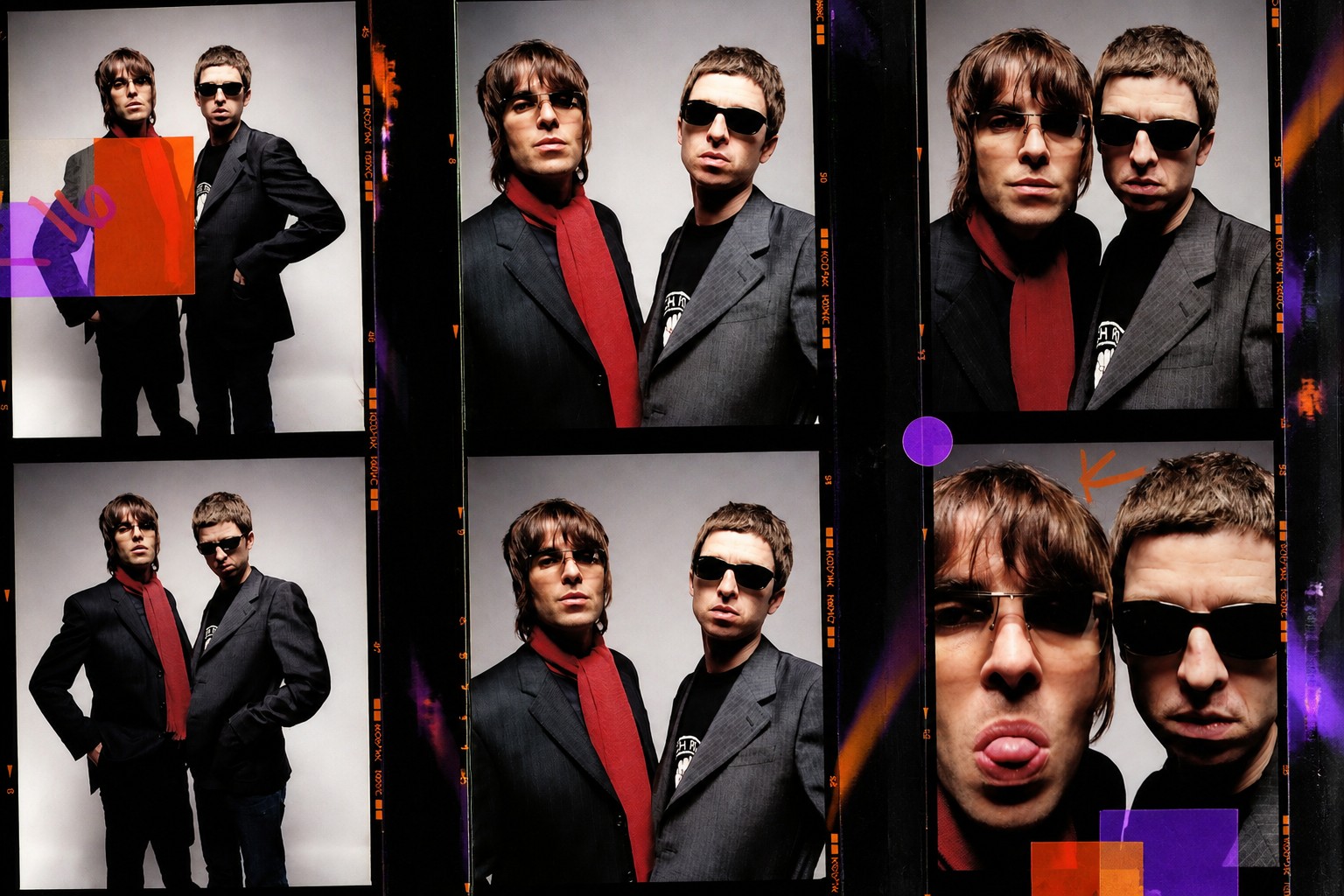
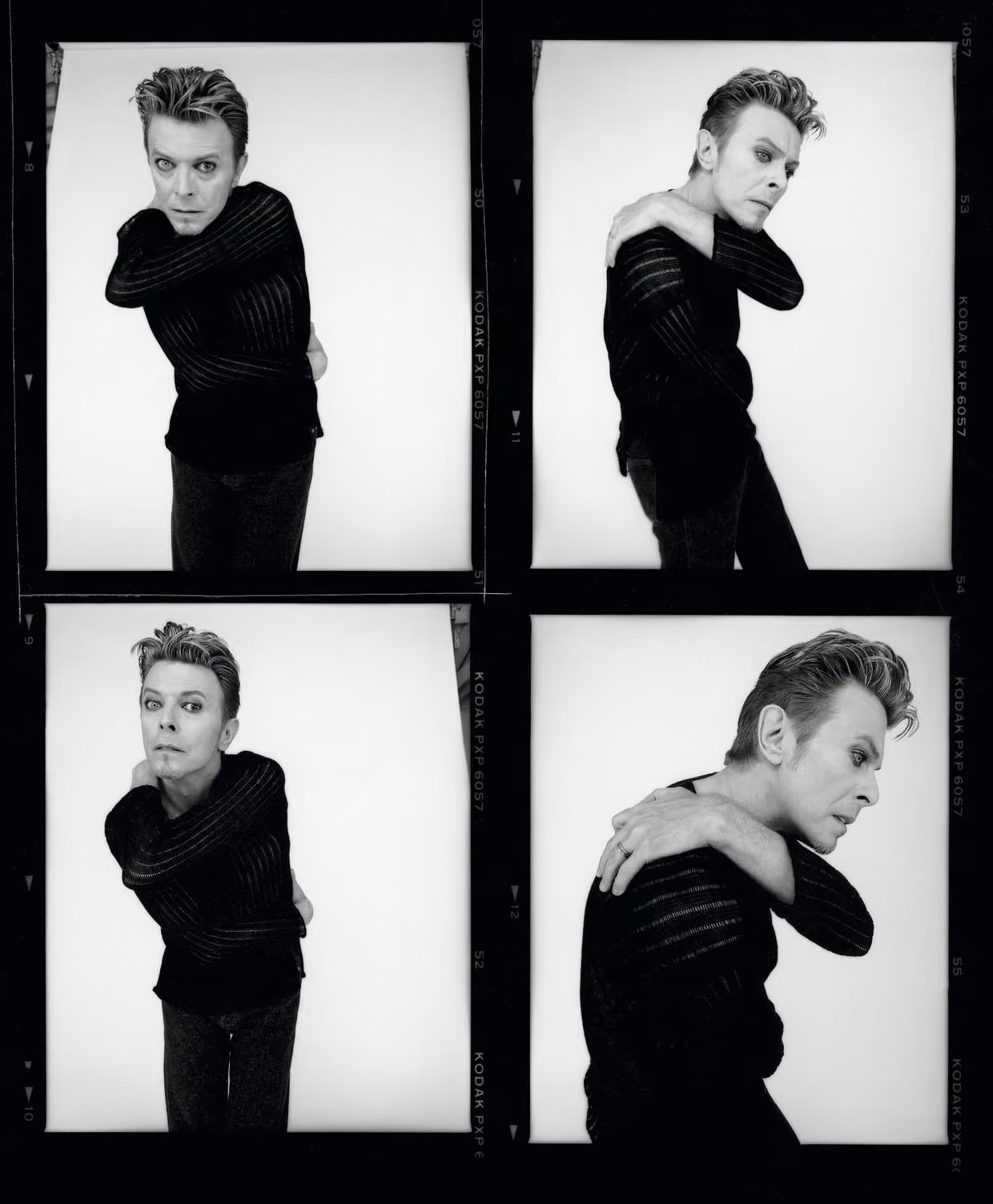
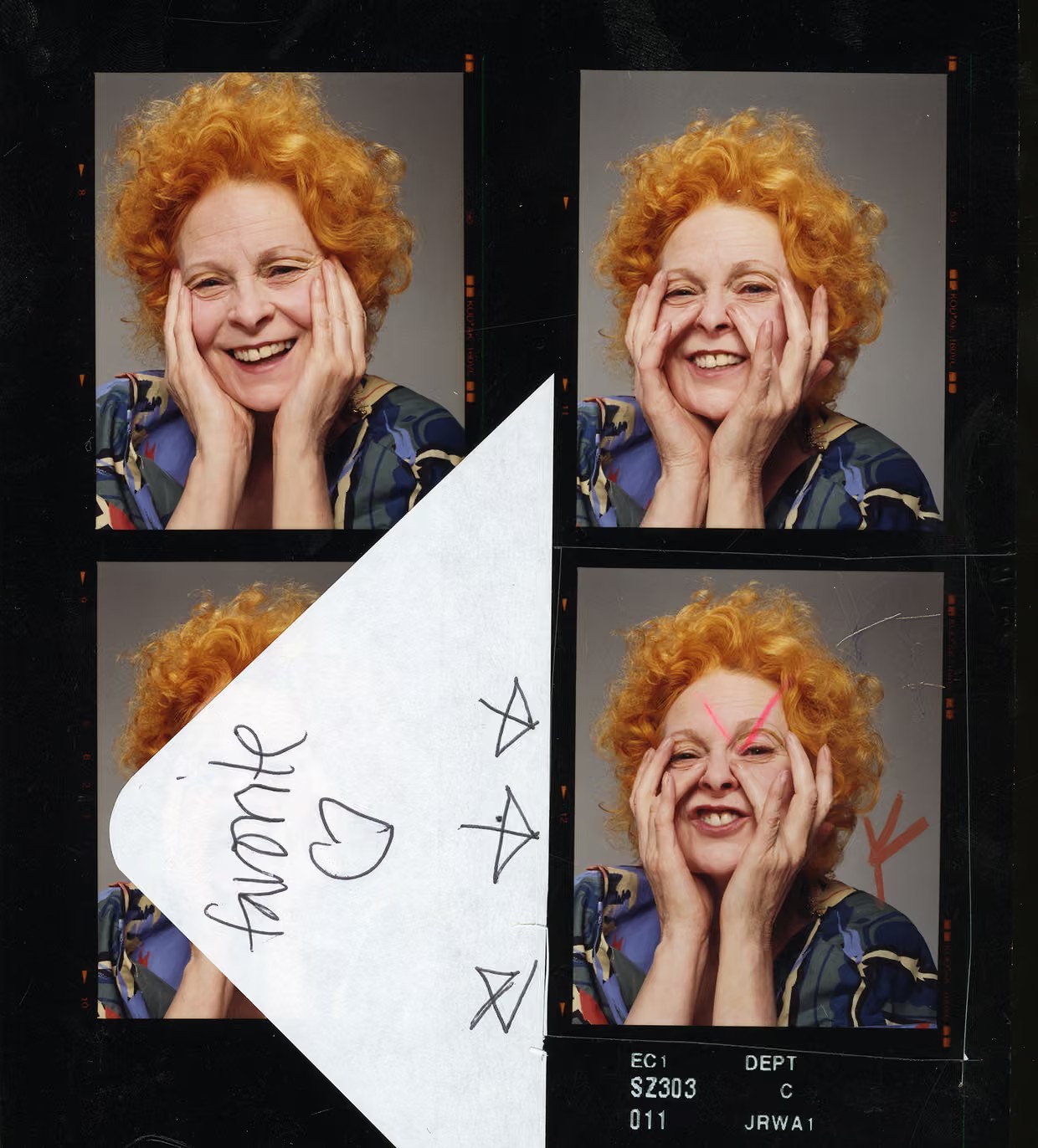
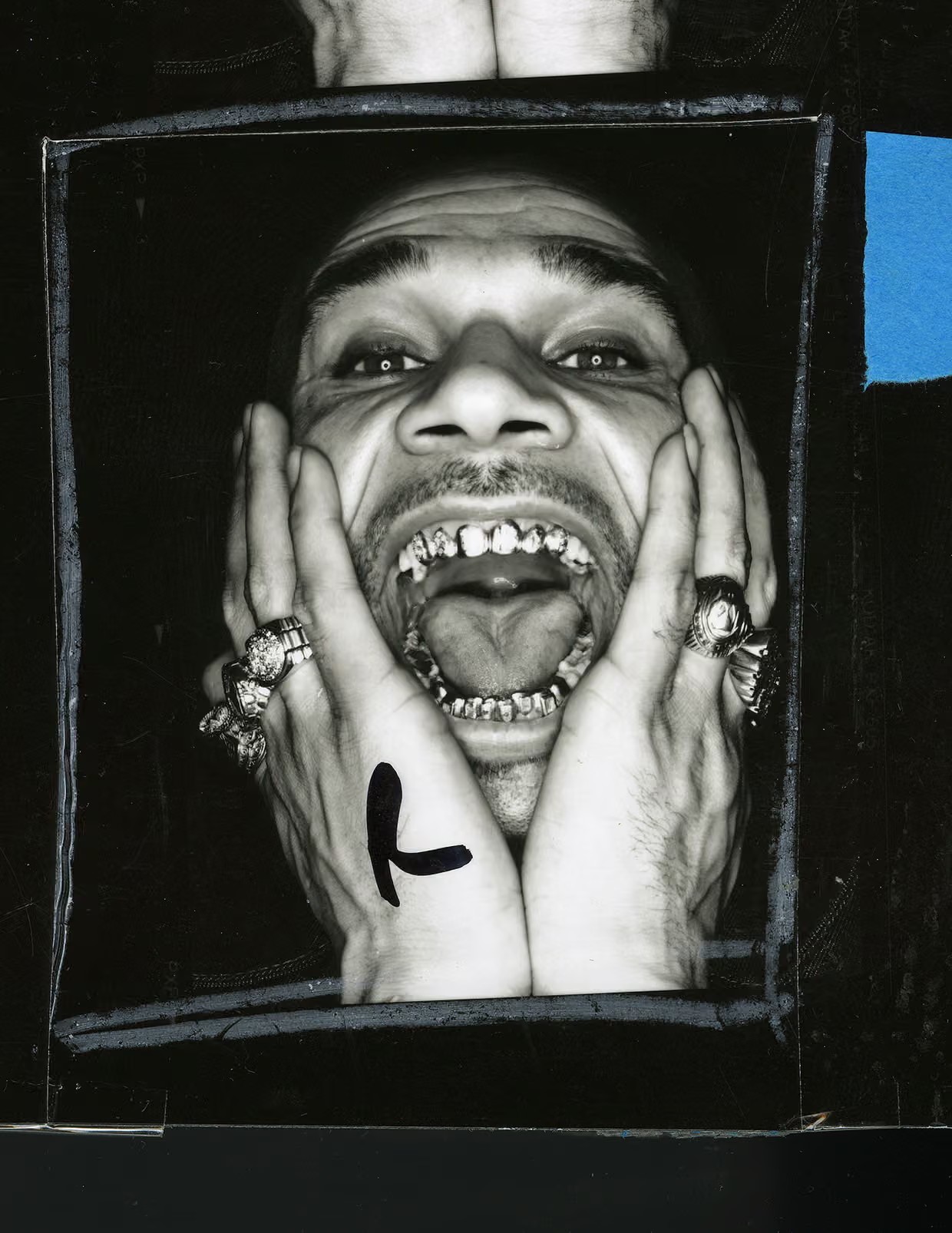
The more than 500-page book Contact brings together photographs of musicians, actors, writers and models taken between 1987 and 2006. Its subjects include Oasis, Blur, Tony Blair, Kylie Minogue, Kate Moss, André 3000 and Hugh Grant. Instead of individual images selected for magazine covers or lead features, Rankin presents contact sheets of thumbnail-sized shots. They show how the shoot unfolded and how a connection formed between the photographer and the person in front of the camera. The book’s title refers to that connection, too.
Rankin says he tries to build a connection with his subjects during a shoot — in a platonic sense, unless the subject is his wife. He asks people to forget about the photographer and look through the lens.
Rankin was born in Glasgow in 1966, grew up in St Albans and initially studied accountancy before turning to photography. In 1991, he founded the culture, art and fashion magazine Dazed & Confused with Jefferson Hack. Rankin’s photographs often appeared on its covers. He has photographed subjects ranging from The Rolling Stones to Queen Elizabeth II. In 2011, the photographer founded Hunger magazine.
Among his future plans is a follow-up to Tuulitastic, his 2006 book about model Tuuli Shipster, his wife for 17 years. Rankin also plans to take up the wet-collodion process, a slow 19th-century photographic technique that serves as a counterweight to AI for him.
AI and the future of photography
Rankin does not think AI will replace people’s desire to take and commission “real photographs”. But he expects the technology to change photography and cause serious damage to the industry. He predicts that in less than a year AI will begin displacing jobs, including at retouching agencies and among hairdressers, makeup artists and stylists. He compared AI to Photoshop with its effects turned up too high.
Rankin is not currently working on AI-related projects, but he does not plan to abandon the technology altogether. He is tired of it, yet continues to find out what can be created with it for the first time.
Contact, published by Hunger, costs £30. To mark its release, an exhibition titled Contact is running at Annroy Gallery in London from 2 December to 3 February.
Six photographs from the book
Liam and Noel Gallagher
The 2002 photograph appeared in issue 190 of Q magazine and became the main image for the feature. Rankin recalls that he always enjoyed photographing the brothers: Liam reminded him of a panther — you could never tell whether to expect a scratch or a purr — while Noel was a master of the witty remark. The photographer set up a studio shoot with art director Keith Drummond. They were inspired by David Bailey’s photo session with John Lennon and Paul McCartney. The brothers looked elegant, like rock stars, and played up their rivalry in front of the camera.
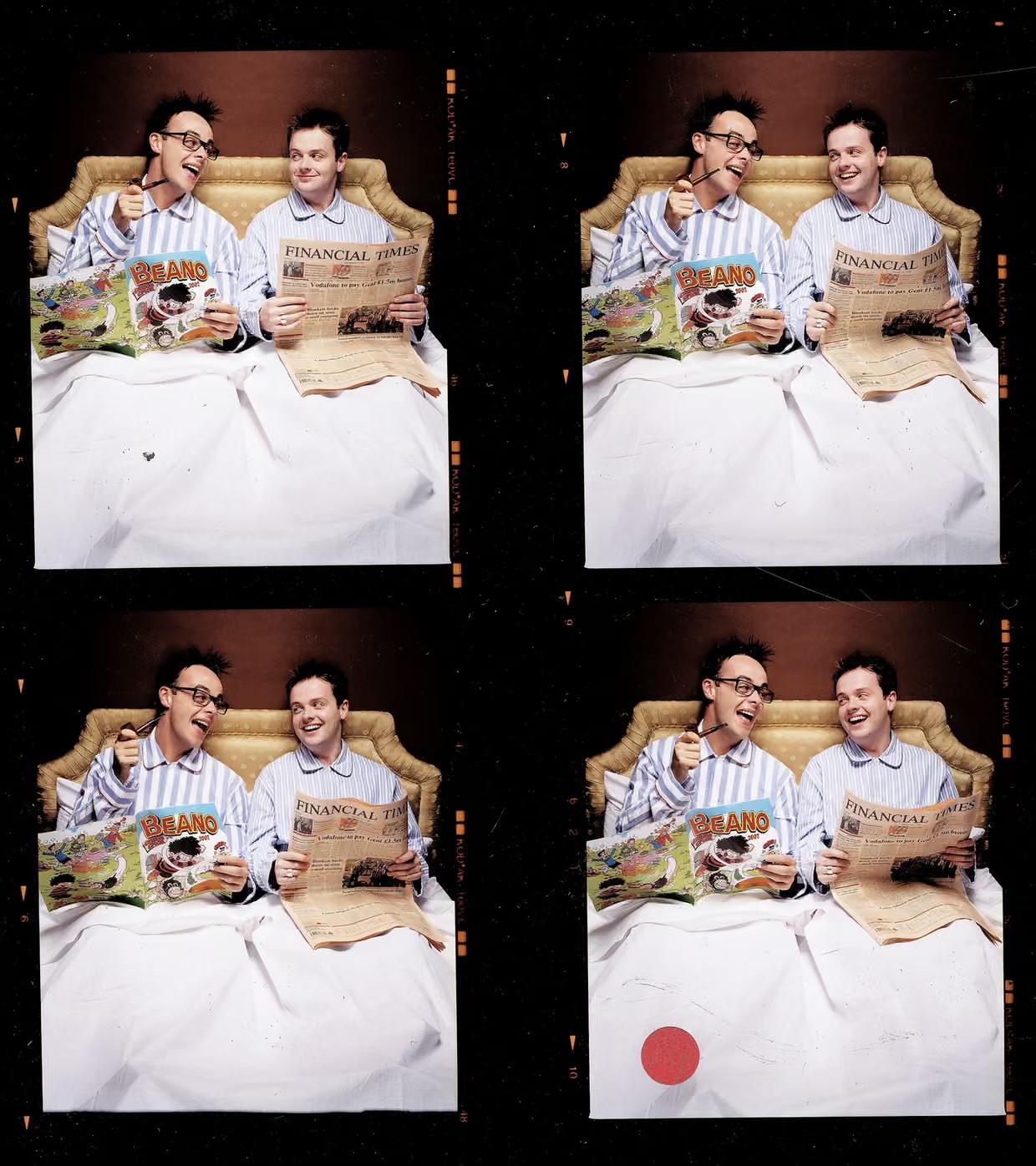
‘It’s legends doing legends’ … Ant and Dec photographed as a ‘modern-day Morecambe and Wise for a Vogue magazine feature on British TV. Photograph: Rankin
Source: theguardian.com
Björk
The 1994 photograph appeared in the ninth issue of Dazed & Confused. Rankin considers Björk one of the best subjects to photograph because she is willing to experiment. When he tried to recreate another photographer’s shot, Björk stopped him and suggested they find their own approach. Rankin says he shot around 200 rolls of film while working with the singer.
David Bowie
The 1995 photograph appeared in the 14th issue of Dazed & Confused. Rankin expected to meet someone like the cold, impassive space hero from The Man Who Fell to Earth, but instead found Bowie energetic and cheerful. The photographer sometimes asks his subjects to hug themselves as a gesture of self-love. Bowie was one of the first people he tried it on: in the photograph, the singer embraces himself while also playing to the audience.
Vivienne Westwood
The 2002 photograph was published in POP magazine. Rankin remembers Westwood as a subject who laughed easily and had no ego. The editor who commissioned the photographs usually disliked selecting images from a photographer’s work, but this time the choice was clear. Many would have considered the shot unsuccessful, but Westwood liked it so much that it became her poster for an exhibition at the Victoria and Albert Museum.
Goldie
The 1999 photograph appeared in Dazed & Confused and the INCredible supplement. Rankin notes that Goldie is always performing for the camera, which makes it easy to get a good shot. The photographer likes this image because Goldie looks more restrained than usual: in other shots he often comes across as forceful, while here a softer side is visible.
Dataist’s take: The book shows that for Rankin, photography is about more than the finished image; it is also about the interaction that leads to it. His experience with AI has not made him abandon the technology, but it has shown where its limits lie: he continues to explore new possibilities while expecting AI to change the work of many professionals across the photography industry.
Daily AI news
Every day we pick what actually matters in AI and explain it plainly — no hype, no filler. Subscribe if you want to follow where the industry is going.
Only what matters — every day
Follow on X