
Testing beyond the demo
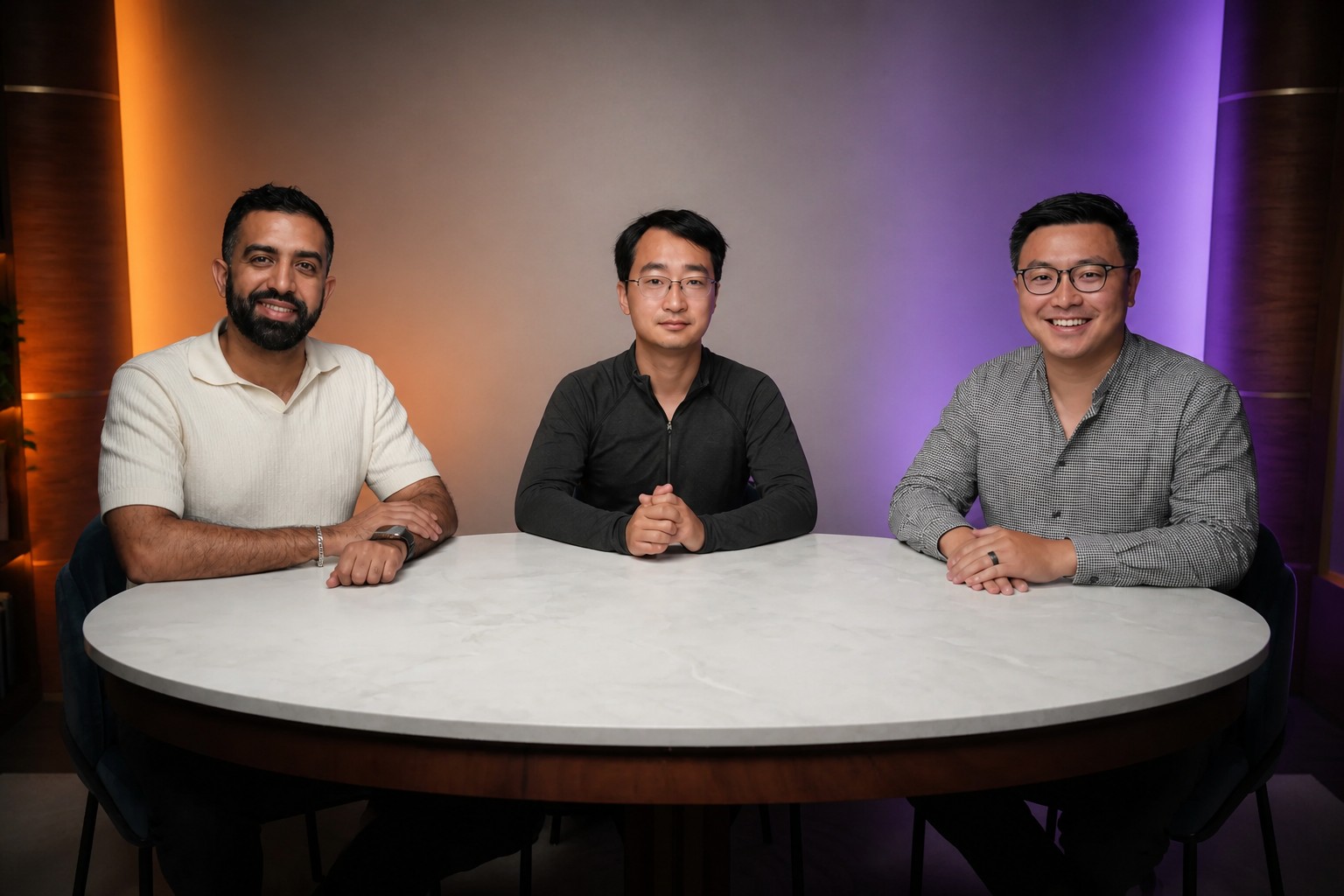
Dean Zhao, who led the Safe AI lab at Carnegie Mellon University, founded Safeworld with Kyle Wong and machine-learning engineer Simo Rachidi. Zhao says deploying robots safely means assessing the risks of probabilistic, generative AI systems and building trust in them.
The seed round was led by Shine Capital and a16z Speedrun, with Box Group, Carnegie Mellon University Endowment, Innovation Endeavors and SV Angel also participating. Jonathan Lai, a partner at a16z Speedrun, argues that safety standards need to take shape while robots are still being designed and deployed—not after they are in homes, encountering children and causing accidents.
Safeworld’s method is to recreate a work area in a simulator such as Genesis or MuJoCo, add a robot running its real software, then run thousands of scenarios involving simulated people. Zhao says the human behavior is difficult to predict.
One example: a factory blind spot. The team can test how fast a robot should move, how much distance it needs to stop without hitting someone, and whether it notices a person carrying boxes. Falls are another case to simulate, Wong says: repeatedly falling in front of a robot in the real world would be impractical.
Tesla and Wayve face a related challenge in testing how cars react to unexpected events on roads. Robot testing, Zhao says, is harder because robots operate in unstructured environments and safety requirements vary from one setting to another.
Safeworld’s platform resembles tools robot makers already use internally. Its founders argue that companies also need independent checks: they could verify results and share safety-testing information even with competitors.
Safety in the field
Gritt Robotics is developing a control system for robots that help workers install photovoltaic panels at large solar power plants. The company hopes to assign its robots more complex construction tasks in the future, and is working with Safeworld as it develops safety simulations.
Gritt CTO Vishal Dugar says proving the safety of most such systems through mathematics and equations is extremely difficult, making experimental testing necessary. The company needs to ensure its robot arm does not hit workers, across a wide range of possible appearances and movements:
Zhao warns that developers underestimate rare cases. The risk, he says, is not a robot in an isolated demo, but a system deployed at scale beside people who may never have operated a robot before.
Safeworld is still deciding whether to build a platform for outside users or sell its work as a service. Generative AI in robotics is also at an early stage. My guess is that the harder question is not whether simulation can produce thousands of scenarios, but whether those scenarios cover the unusual situations that matter once a robot is working around strangers. Safeworld’s business depends on making that coverage credible—and on manufacturers accepting an outside check.
Zhao thinks the company could become the first profitable business in the field: he expects anyone seeking to deploy robots to pay for testing how they handle dangerous situations. That makes the company’s ambition depend on a tension it has yet to resolve: robot makers must trust an independent safety process enough to pay for it.
Daily AI news
Every day we pick what actually matters in AI and explain it plainly — no hype, no filler. Subscribe if you want to follow where the industry is going.
Only what matters — every day
Follow on X