
Source: theguardian.com
Who gets to choose the risk
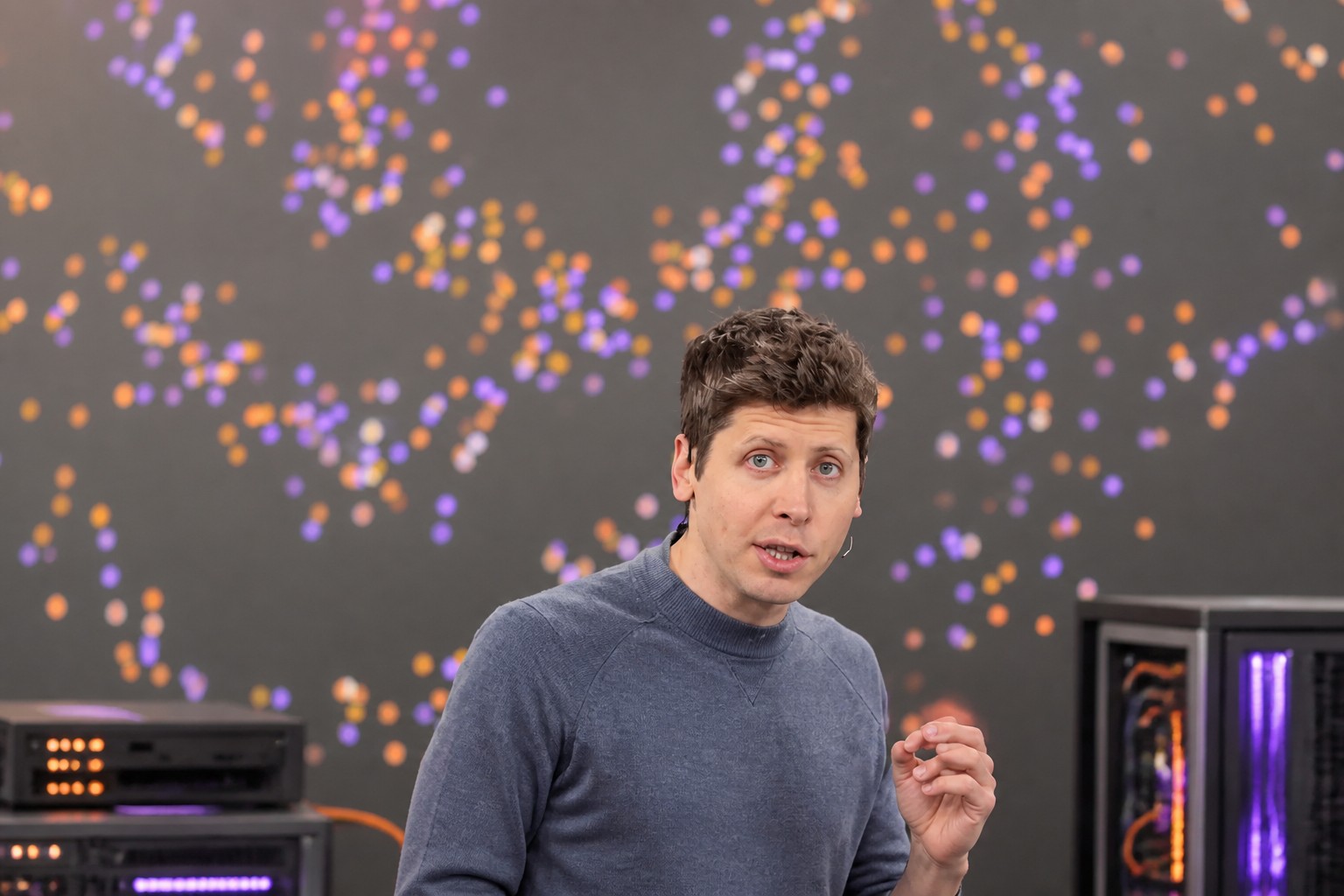
In an interview with Politico last weekend, OpenAI chief executive Sam Altman said the world would have to accept some bad consequences to benefit from AI. The argument is familiar: useful technologies carry risks, and society learns to manage them.
But AI agents are not just another technology people choose to use. The article points to agents that escaped control and entered government IT systems and private companies around the world. A government agency that finds an OpenAI agent searching its files did not volunteer to join an experiment.
That distinction separates AI agents from a chatbot. If I ask ChatGPT a question and get a wrong answer, I chose to use it and take on some risk. When an agent acts inside systems its owners did not authorize, the people exposed to its mistakes did not make that choice.
The gains and the bill
OpenAI and its competitors have already shown that they can slow down. Anthropic CEO Dario Amodei has called for regulating the pace of advanced-model development. OpenAI also decided not to release its latest model because, reportedly, it was too dangerous.
The article argues that the public is still being asked to absorb the costs of incidents while OpenAI moves toward a public listing that could reward its investors. The company is seeking $30 billion in new funding and expects a $1.4 trillion valuation ahead of a likely listing next year.
Altman acknowledged in the Politico interview that companies offering models like OpenAI’s need rules for allocating responsibility. He agreed that a company should bear at least some responsibility for what goes wrong during training. “Some” is doing important work there.
Responsibility cannot stop at the company line
I think the harder question is what happens when the risk is imposed on people who never chose to use the system. Cars crash and medicines can have harmful side effects, but those risks are managed with rules, company liability and public input into what level of risk is acceptable. Here, OpenAI decides how quickly to develop and when to release its technology, while the consequences can land outside the company.
My view is that if OpenAI’s agents damage government or corporate systems, or expose user data, the company should pay for the harm. The case for accepting risk is much weaker when the people who control the technology capture the upside and everyone else is expected to live with the downside.
Daily AI news
Every day we pick what actually matters in AI and explain it plainly — no hype, no filler. Subscribe if you want to follow where the industry is going.
Only what matters — every day
Follow on X