

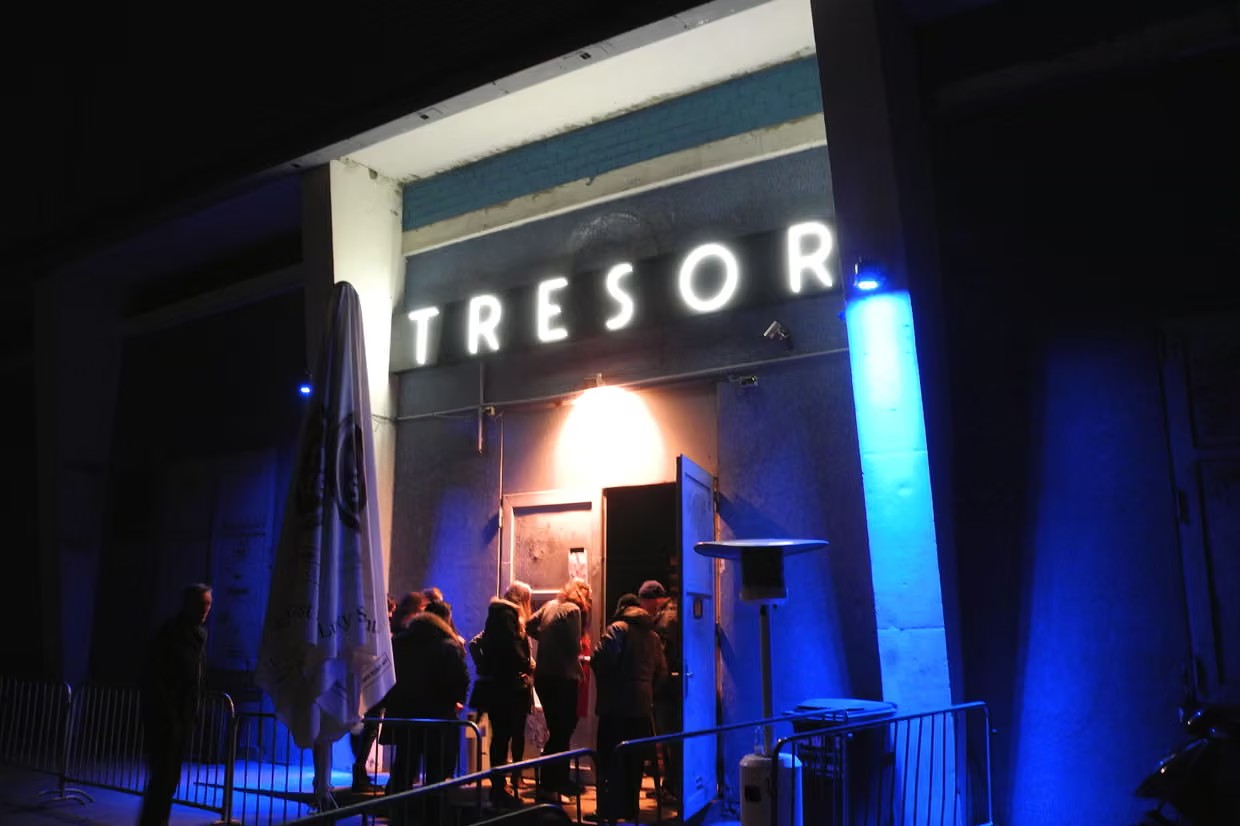
On November 11, German defence company Helsing presented its target-selection system Clarity at Kraftwerk Berlin, an arts complex that hosts the experimental music festival Atonal and shares a site with the Tresor club. The main hall was set up like a military command centre: maps and aerial footage were projected onto concrete walls, drones hung from the ceiling, and guards in body armour walked through the building with dogs. After members of the music community voiced their outrage, Kraftwerk Berlin called renting out the venue a “serious mistake” and promised to review its commercial booking rules.
Military AI system launch at Berlin arts centre sparks protest
What is known about Clarity
Munich-based Helsing was founded in 2021. Its investors and co-chairs include Swedish tech entrepreneur and Spotify co-founder Daniel Ek. The company describes Clarity on its website as an intelligence platform with AI agents that processes data from drones, satellites and sensors to detect targets. Helsing says humans must still approve any decision to strike.
The company also says Clarity was developed and built in Europe and remains under European control. The market leader in battlefield software is Palantir’s Maven, which the US military used in strikes on Iran this year. European governments are looking for alternatives to US systems; France’s domestic intelligence agency has already announced it will move away from Palantir in favour of a homegrown system.
Speaking at the Clarity presentation on German broadcaster RBB, a Helsing representative said the company’s military systems are not designed to detect people. According to the representative, Clarity searches for objects such as radar systems, launch sites and ships. At the same time, the system’s AI agents specialise in finding behavioural patterns, a description that could also apply to human activity. Helsing did not respond to a request for comment.
Why the club scene was outraged
The expansion of Europe’s defence industry is running up against pacifist sentiment in cultural circles. The tension is especially sharp in Berlin: during the Cold War, the city lived under the pressure of an arms race, and nightclubs became places where people could escape those anxieties.
Berlin music curator and DJ Michael Stangl believes that war in Europe and the need to support Ukraine should not prevent critical scrutiny of what is happening. He pointed to the use of AI-guided targeting systems in Gaza and suggested that Helsing could sell a successful military technology to authoritarian regimes, domestic police forces or organisations such as Frontex for use against migrants.
The Tresor club and music label condemned the Clarity launch in strong terms, saying there was no place for events like it in spaces created by their community. In the 1990s, Tresor connected Berlin’s music scene after the fall of the Wall with Detroit’s electronic music scene.
Tresor founder and Berlin nightlife entrepreneur Dietmar-Maria “Dimitri” Hegemann also runs Kraftwerk Berlin. He called the booking unacceptable and said it had been arranged by an employee responsible for commercial rentals without consulting him. Some in the club scene were surprised by this explanation: Hegemann is a central figure at the arts complex, and an event with heightened security would usually require considerable preparation.

People trying out Palantir’s Maven system at the Defence Security Equipment International event in Tokyo last year. Photograph: Kim Kyung-Hoon/Reuters
Source: theguardian.com
Commercial rentals and club finances
Renting out Berlin’s former underground venues to commercial organisers has become common practice. On October 19, Kraftwerk Berlin hosted the German government’s investment summit. Attendees included Chancellor Friedrich Merz and Jensen Huang, who was then CEO of chipmaker Nvidia.
After the dispute over Clarity, Kraftwerk Berlin said it had turned down a proposed event backed by Palantir in 2022 after consulting its cultural team.
Supporters of commercial rentals point out that many Berlin clubs face rising rents and a sharp drop in bar revenue. Kraftwerk Berlin’s financial position may be different, however: in June, the assets of its operating company, Schaltraum Berlin, were valued at €4.3 million (£3.6 million).
Dataist’s take: the dispute shows how difficult it is to reconcile commercial rentals of cultural venues with their history and the values of their community. In Kraftwerk Berlin’s case, questions concern not only the launch of a military system itself, but also how it was organised: the venue’s management said the booking went ahead without consulting its director.
Daily AI news
Every day we pick what actually matters in AI and explain it plainly — no hype, no filler. Subscribe if you want to follow where the industry is going.
Only what matters — every day
Follow on X