
Three products for robot developers
Physical AI Services will bring together three products:
According to Serve Robotics co-founder and CEO Ali Kashani, robots typically need connections to external systems to collect data, handle unusual situations and perform other tasks. The connection must remain reliable even on networks with interruptions. Kashani explained that Serve Link is designed to solve this problem.
From its own robots to a platform
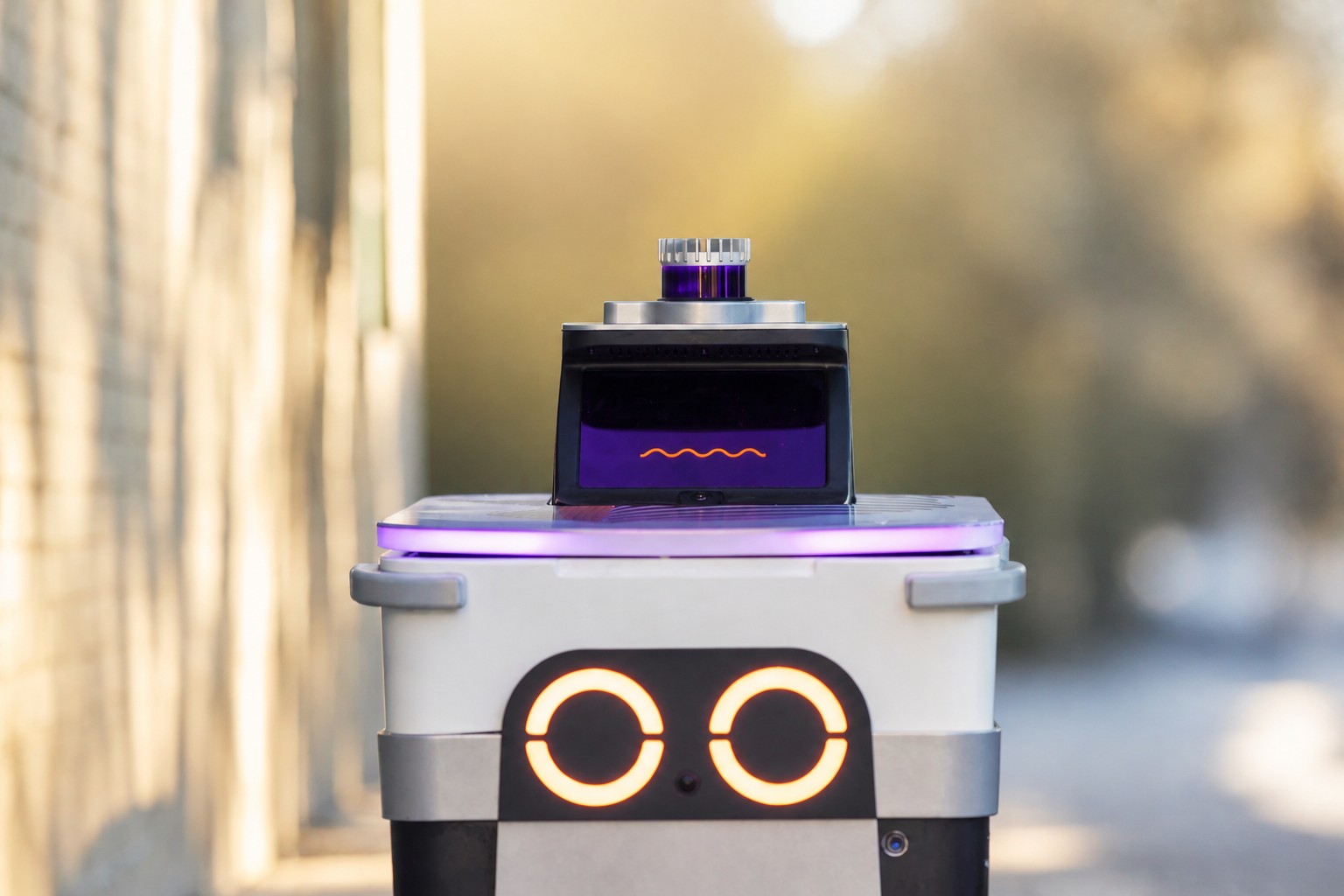
Serve Robotics already makes two types of robots: sidewalk delivery robots with large, expressive eyes and hospital robots, a business the company acquired with Diligent Robotics. Kashani stressed that both lines will continue. The new business will let Serve sell other companies technology developed for its own robots.
The company believes its experience developing and operating its own fleet is essential to building these tools. Kashani compared the plan to Amazon’s approach: a company first has to build a complete solution to understand what technologies are needed, then make them available to other developers as the industry matures.
Serve Robotics emerged after Uber acquired Postmates in 2021; in 2024, the company went public. The expansion of its technology business comes as its delivery service grows and gradually shifts from Uber to other partners, including DoorDash and Wonder. The company announced Physical AI Services and its partnership with T-Mobile on Thursday, alongside the release of its third-quarter results.
Dataist’s take: Serve Robotics is testing whether it can turn the experience of operating its own robots into a standalone suite of technologies for other companies. For now, the business relies on Serve’s own solutions and data, so its broader use will depend on how well they suit robot developers working in different environments and on different tasks.
Daily AI news
Every day we pick what actually matters in AI and explain it plainly — no hype, no filler. Subscribe if you want to follow where the industry is going.
Only what matters — every day
Follow on X