
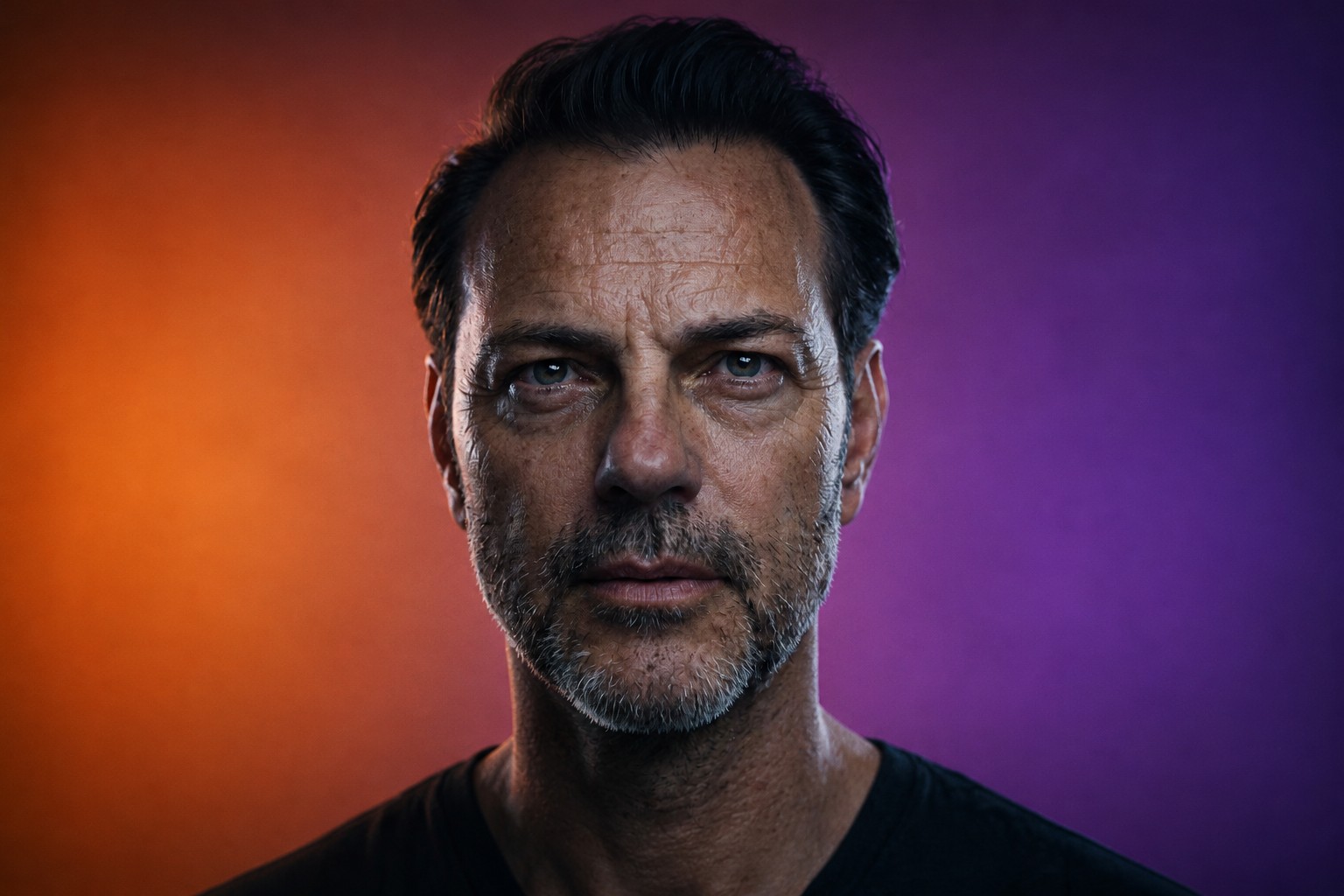
Shortical has released “Inevitable,” a series made entirely with AI and featuring Israeli actor Aki Avni as a digital version of himself. Avni gave the company direct permission to use his likeness; it is Shortical’s first project of this kind. The startup is now inviting others to apply for a likeness license, but it has yet to sign a deal through the program. The company has not disclosed how much Avni was paid for the use of his likeness, and terms for other creators may differ.
Shortical invites actors to license their likenesses for AI microdramas
How Shortical makes money from series
Founded in January last year, Shortical produces short melodramas, usually spicy stories about romantic relationships. Episodes run about two minutes and end on plot twists designed to keep viewers watching.
The first 7–10 episodes are usually free. To finish a series, users need to sign up for a low-cost monthly subscription that gives them access to Shortical’s entire catalog. Over the past year, the company has released several popular live-action melodramas: “I Crossed the Line with the Neighbor,” “I Accidentally Married the Boss,” and “Spoiled by My Billionaire Lover.”
Recently, the platform’s homepage has filled up with AI-generated content. These projects cost less than live-action productions and can generate more profit if they attract an audience.
Aki Avni played a digital version of himself
“Inevitable” premiered in Los Angeles last week. The series uses the likeness of Avni, an Israeli film and television actor who has appeared in American series for many years. Among other roles, he appeared in Fox’s thriller “24,” about the events of the September 11 era.
Avni plays himself in the series: in the plot, the actor gives his likeness to a film studio, setting off a series of thriller-style events. The project itself was created entirely with AI. It is Shortical’s first likeness-licensing deal, but the company hopes it will not be the last.
In a phone interview with TechCrunch, Avni said the project both unsettled and excited him. He sees AI as a new kind of art and a new format, and taking part in the project as a chance to be a pioneer.
Shortical CEO Guy Shimoni sees the technology as a way to produce large-scale projects with small teams. He said budgets used to limit live-action projects for mobile devices, but the company can now release stories featuring kingdoms, dragons, superheroes and werewolves.
Who watches AI melodramas
The largest audience for microdramas is currently in China, where the format originated. But Shimoni said most Shortical viewers live in the United States. Women make up a clear majority of the industry’s audience. Many watch these series in the evening to unwind before bed. Shortical’s site already features AI-generated shows, some with millions of views.
The company hopes to attract a new generation of creators willing to grant rights to use their likenesses in exchange for payment. Shortical’s website invites applicants to submit links to their social media profiles. The company will review each application and, if interested, offer a contract setting out the terms for using the creator’s likeness in AI-generated content.
A Shortical representative told TechCrunch that the program is still at an early stage and that no deals have been signed through it. “Inevitable” is the first time the company has used a real person’s likeness; its agreement with Avni was made directly, outside the platform. Shortical hopes the series will draw attention to likeness licensing and plans to promote the program more actively after its launch.
How much people are paid for the use of their likeness
Likeness licensing is already common in China, where the microdrama and AI-generated content markets are growing rapidly. But such deals do not necessarily pay well for creators. A recent Rest of World report says companies in the sector paid between 15 and 700 US dollars for likeness rights.
Shortical has not said how much it offers participants in its program. Shimoni described the possibility of paying creators a share of revenue, similar to television residuals, as something decided on a case-by-case basis.
The company’s representative also declined to disclose the amount of Avni’s deal. According to the representative, the actor became a partner on the project, and his compensation was in line with industry standards for a comparable role in a non-AI project.
Terms for other actors may be very different. Automation is also a source of anxiety for people in creative professions. Until recently, microdramas seemed like an accessible entry point into the entertainment industry: young actors could gain set experience and develop their skills. Now companies are reducing their crews and releasing content that does not require live actors.
Industry concerns
Jennifer Cooper, a longtime microdrama fan and founder of the consulting firm Vertical Drama Love, says AI is met with distrust both by viewers and within the industry. She said many people have already lost their jobs because of AI or have seen the technology harm microdramas. The format was rare, but it was growing and provided work, particularly for young people; now, Cooper believes, the industry has been badly hurt.
Consent issues also haunt the industry: some creators say their likenesses were used without permission. Shortical’s new program is intended to offer an official way to obtain consent and formalize rights.
But licensing deals could bring the industry closer to a gig-work model: creators would pay a distributor for access to a platform and the ability to post content or their likeness there, then receive payments based on how much engagement they can attract.
Shortical recently partnered with Payouts.com, a company that describes itself as a payments infrastructure platform for creators and gig workers. Shortical plans to build a system through which creators can interact with the platform and receive payments.
Cooper links interest in AI to financial trends: most companies in the microdrama sector are startups, and investors support growth plans that include automation. She said mentioning AI has become almost necessary to attract investment in microdramas.
At the same time, Cooper doubts there is strong demand for AI content. Some projects attract views; many do not. In her assessment, the content is being actively pushed to audiences rather than released in response to clear demand.
Dataist’s take: Likeness licensing may give actors a formal way to consent to the use of their image, but it does not by itself guarantee significant payments or protect jobs. In Shortical’s case, the amount paid for the deal with Avni is unknown, and the company sets terms for future participants individually.
Daily AI news
Every day we pick what actually matters in AI and explain it plainly — no hype, no filler. Subscribe if you want to follow where the industry is going.
Only what matters — every day
Follow on X