
The speech and the numbers
O’Connell cited Cardiff’s review of 192 roads following 933 complaints: only four sections had their 30mph limit restored. He said £38.3 million had been wasted implementing the policy, and that its economic cost could reach £8.9 billion.
In the days after his speech, members of the Welsh Parliament called for the use of smart glasses to be addressed quickly. The devices have grown in popularity in part through Meta’s partnership with Mark Zuckerberg.
The Liberal Democrats have also raised the issue in Westminster. On Wednesday, they wrote to House of Commons Speaker Lindsay Hoyle, asking him to act over what they called the “growing use of smart glasses” on the parliamentary estate. They warned that more people might use them as Christmas approached, and that new users could emerge in 2027.
The concern is not just recording
Anna Sabine, the Liberal Democrats’ culture, media and sport spokesperson, said smart glasses could make parliamentary debates increasingly “managed.” She questioned how much a lawmaker’s speech might depend on information displayed in AI glasses.
Sabine said she had not noticed anyone wearing smart glasses in Parliament, while acknowledging she might not have recognised them. She argued that legislation could protect privacy, security and MPs’ work.
Her concern is practical: glasses can look ordinary, and recording indicators can increasingly be covered or switched off. That could make it harder for security staff to spot filming, putting private information at risk. Sabine said she regularly attends meetings where documents and confidential matters raised by constituents are discussed, and that such information should not be exposed to covert recording.
A UK Parliament spokesperson said the institution is reviewing rules on smart glasses with cameras and other wearable devices on its premises. Last month, a senior deputy speaker of the House of Lords told Parliament that the review was considering the effects of new technology and whether further guidance was needed. It involves specialists in filming and photography rules, physical and information security, privacy and data protection, accessibility, and reasonable adjustments for people with additional needs. The eventual approach is meant to balance security, privacy, Parliament’s work and accessibility.
What the rules need to settle
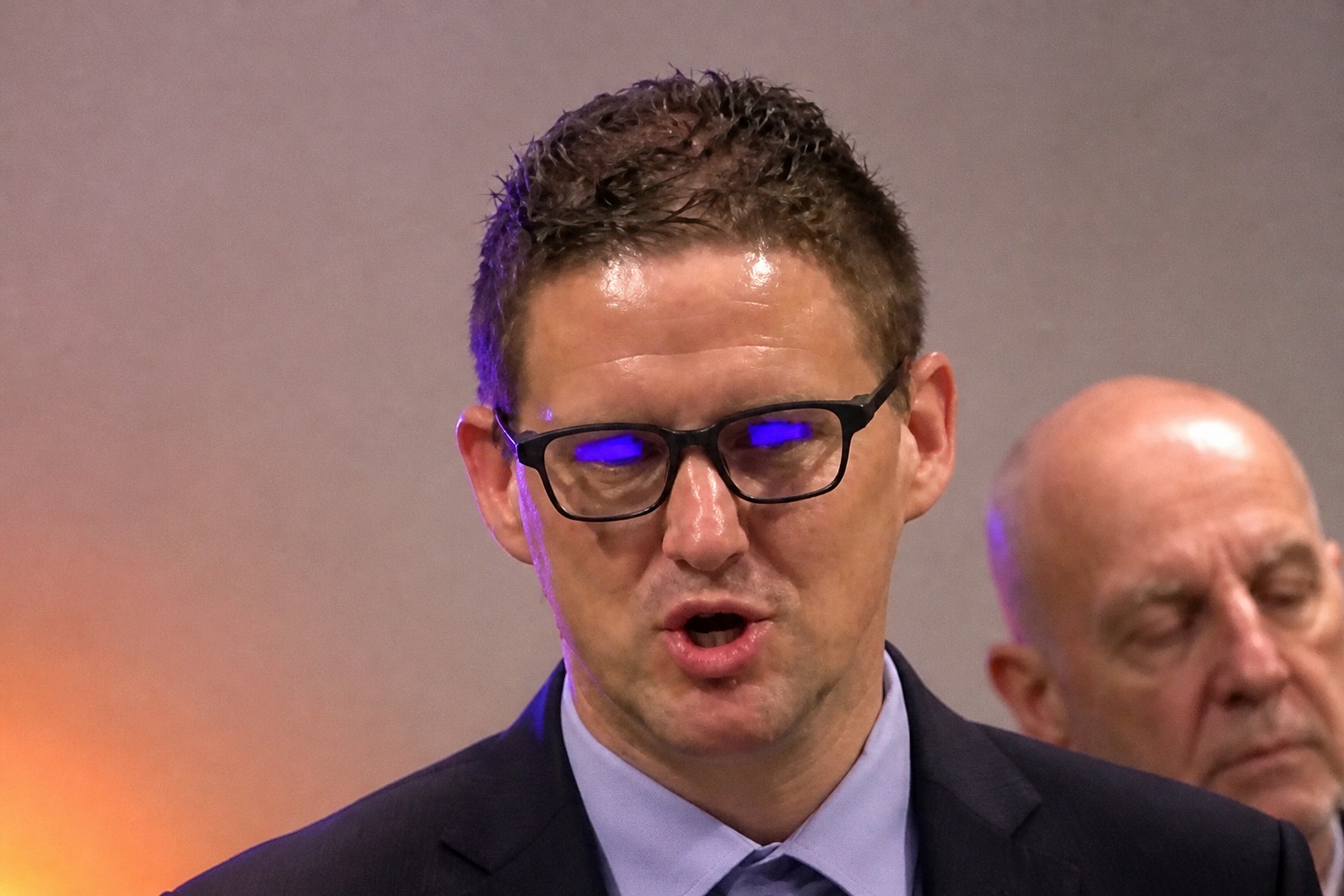
O’Connell was asked for comment. On Sunday, he posted on X a photo of himself wearing large pink novelty glasses in support of a breast cancer charity. He said he was trying new glasses for the chamber that week, after his previous ones had caused quite a stir.
I think the distinction the review has to make is not simply between glasses that record and glasses that do not. The same devices can affect what a speaker sees, while their appearance makes recording difficult to detect. Rules focused only on cameras may miss the more immediate question raised by O’Connell’s speech: how much assistance is acceptable in a debate, and how can anyone tell?
Daily AI news
Every day we pick what actually matters in AI and explain it plainly — no hype, no filler. Subscribe if you want to follow where the industry is going.
Only what matters — every day
Follow on X