
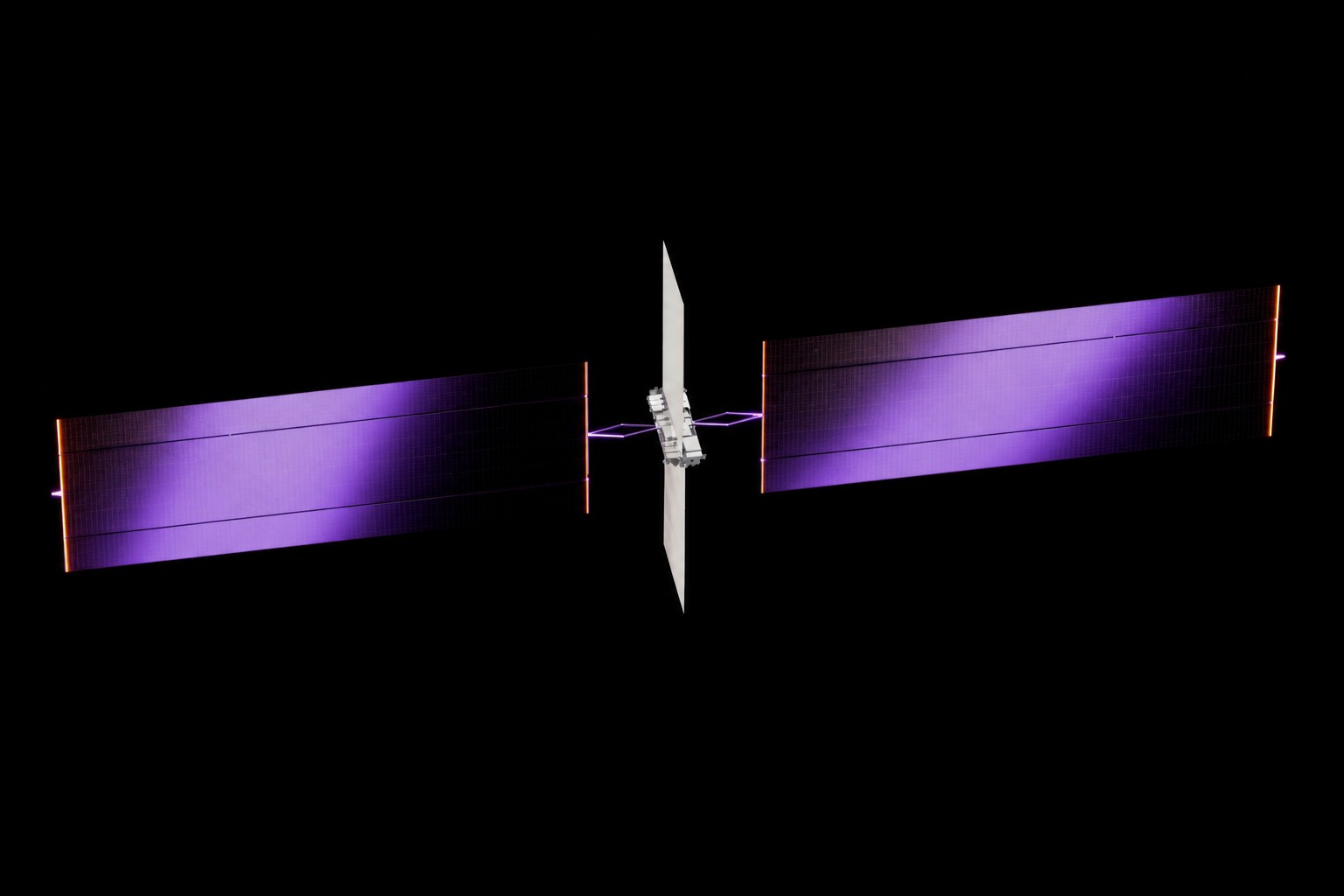
Space data centers need more than rockets and complex engineering. They also need a financing model that works. On Earth, cloud providers borrow to build data centers, using the chips they buy as collateral: if a borrower cannot keep up with payments, the lender can repossess the equipment and resell it. According to the Compute Credit Research Index, some H100s sell for about half their 2023 price, while certain H200 configurations still sell at their 2024 launch price. But chips on a satellite cannot be repossessed like equipment in a ground-based data center. The Financial Times reports that lenders involved in financing SpaceX’s $40 billion chip purchases asked that the chips not be used in orbital data centers. It is not known whether SpaceX agreed.
Who will pay for chips for space data centers
Collateral that cannot be repossessed
The ground-based financing model depends on being able to recover and sell the chips. Cloud providers borrow to build data centers, then repay the debt with a share of their revenue. The equipment serves as collateral and lowers financing costs: even used accelerators retain their value.
That mechanism does not work for an orbital data center. If a satellite carrying chips is 300 miles above Earth and moving at 17,500 miles per hour, a lender cannot repossess the equipment in the event of a default. Financing for SpaceX’s purchases may therefore come with a restriction on using the chips in space. The Financial Times reports that lenders asked to rule out that scenario, but the outcome of the negotiations is unclear.
Ground-based data centers are still generating revenue
In the near term, a possible restriction may not hinder SpaceX: building computing capacity at ground sites has proved profitable. On the company’s latest earnings call, CEO Elon Musk said he was assigning engineers from its rocket division to help speed up construction. Their tasks include learning to cast turbine blades for generators faster than current suppliers can.
Questions remain about how easy it will be to find land and secure electricity for new data centers. Many projects are delayed and face opposition from local residents. The market is also waiting for clarity on demand for computing and whether buyers can turn that capacity into revenue.
In early 2026, Musk began saying that space would become the cheapest place to operate data centers within two to three years. That is unlikely to happen until SpaceX can launch Starship in a fully reusable configuration. The company failed to recover the first stage on its latest test flight, though the upper stage landed at the launch site in Texas. It is not yet known when it will fly again or how much it will cost to prepare it for another launch.
Chips remain a costly part of the project
Even with Starship, SpaceX and startups including StarCloud, Cowboy Space Company, Sophia Space, Orbital and others will still have to buy chips. The economics of space data centers are already difficult, and equipment purchases are likely to cost more than they do for ground-based projects.
That could give Google an advantage: the company plans to use its own TPU chips in space as part of Project Suncatcher. SpaceX and Tesla are working together to build the Terrafab factory in the United States, but construction has not started. The project is years and billions of dollars away from producing semiconductors at scale.
Dataist's take: Financing could become as serious a constraint on space data centers as launches and power supply. The familiar model of using chips as collateral is a poor fit for orbit. In-house production could change Google’s position, while Terrafab remains a long-term project rather than a ready source of equipment.
Daily AI news
Every day we pick what actually matters in AI and explain it plainly — no hype, no filler. Subscribe if you want to follow where the industry is going.
Only what matters — every day
Follow on X