
A financing route built around delivery
The equipment will include Nvidia’s next-generation Vera Rubin chips, Apollo said. SpaceX plans to use the hardware to expand computing for Grok and its cloud services.
SpaceX CFO Bret Johnsen said the leases would broaden the company’s funding sources and cover a significant share of spending on its growth plans. He also said investments in AI infrastructure pay back in less than a year.
The financing comes as SpaceX’s AI business has become a larger part of the company’s results. In the third quarter, the segment—which includes Grok, coding tool Cursor and cloud computing services—generated $7.6 billion of SpaceX’s $14.6 billion in revenue, exceeding investor expectations and outpacing Starlink and rocket launches combined.
The scale of the spending
Capital expenditure rose to nearly $20 billion, up from $6.9 billion a year earlier. On an October 20 earnings call, Johnsen said SpaceX expected to spend $35–40 billion in the fourth quarter alone.
The company is expanding AI capacity while also growing Starlink and its rocket business. Leasing chips rather than buying them outright changes how some of that expansion is financed, but it does not make the underlying spending smaller.
Debt financing for AI infrastructure is under pressure as investors question fast-rising capital costs and the limited profitability of these projects. Against that backdrop, Apollo’s commitment is notable less as a verdict on the economics of AI computing than as a financing structure for a company with several major sources of revenue.
Musk’s argument about who can borrow
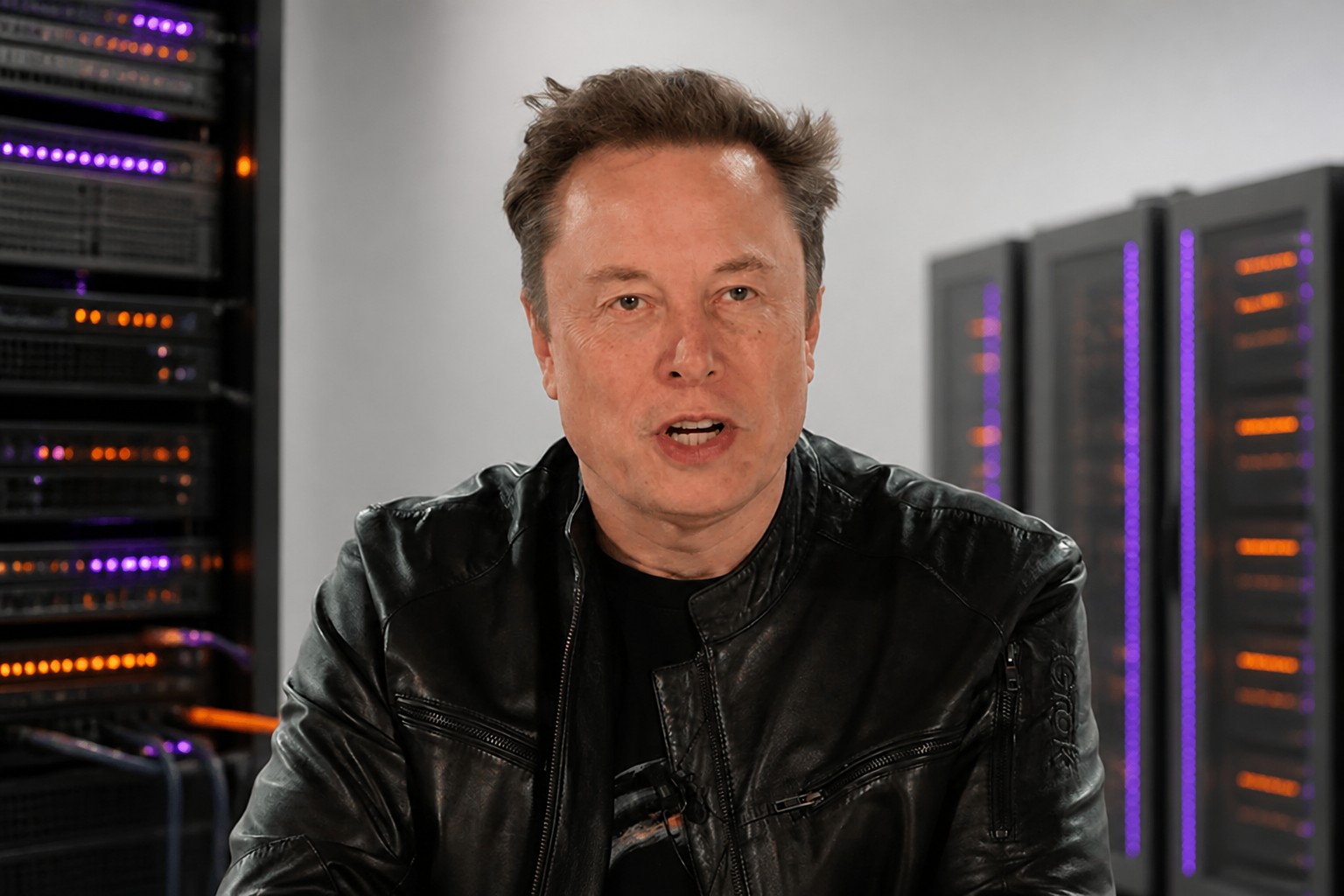
Elon Musk used the announcement to argue that SpaceX has an advantage over companies built solely around AI computing. In a Sunday post on X, he pointed to SpaceX’s investment-grade status and steady revenue from Starlink and launches. He said debt markets had largely closed to firms without substantial revenue outside AI data centers, putting more than 200 cloud companies that rent GPUs for AI workloads at risk.
Musk predicted widespread closures and consolidation, with only a few companies surviving. I think the more important test is not whether SpaceX can secure financing, but whether the infrastructure earns the returns Johnsen claims. The announcement offers no detail on how those sub-one-year paybacks are measured; if that figure holds, SpaceX’s access to non-AI revenue may be a financing edge, but the economics of the buildout are still the central question.
Daily AI news
Every day we pick what actually matters in AI and explain it plainly — no hype, no filler. Subscribe if you want to follow where the industry is going.
Only what matters — every day
Follow on X