
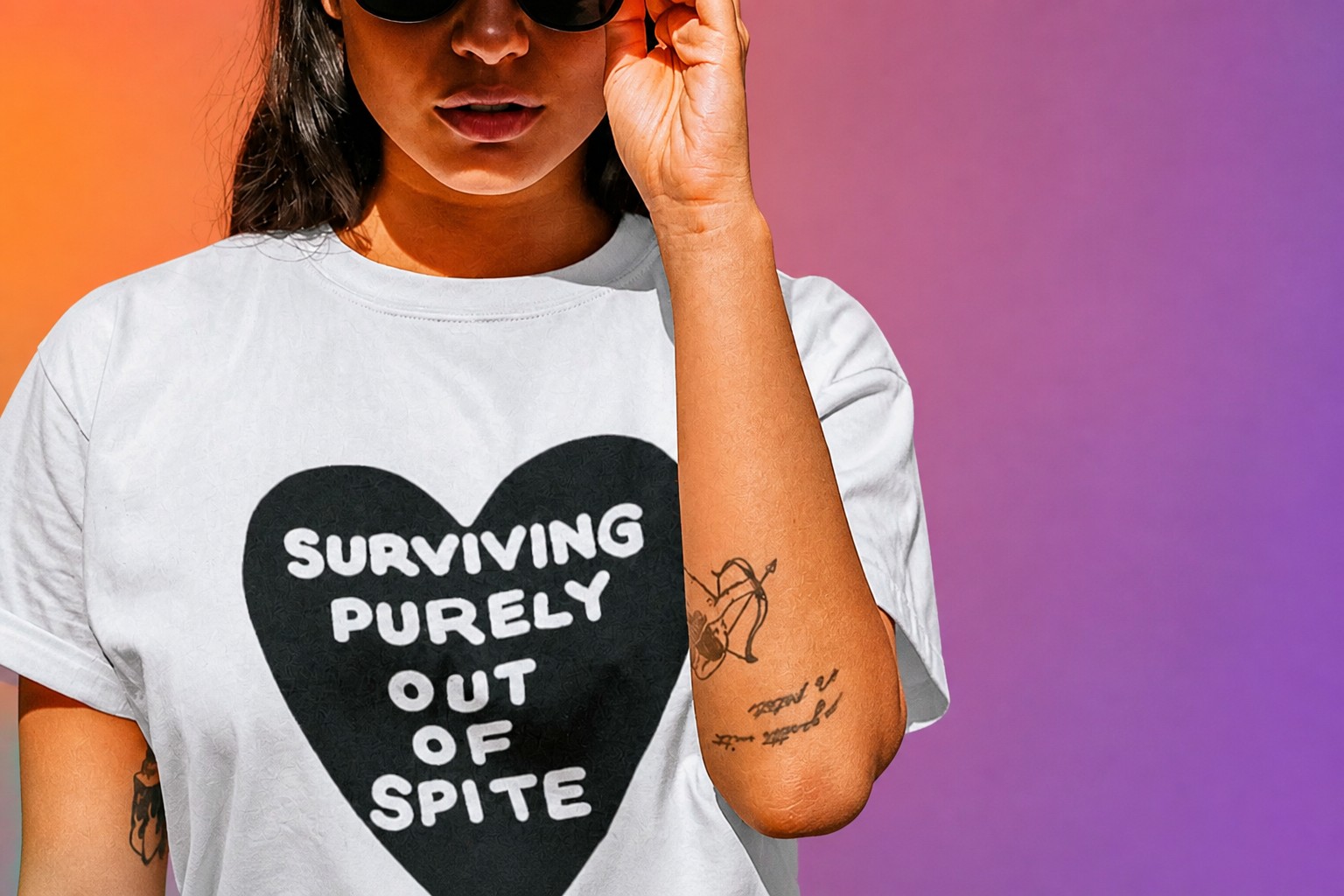
A Sydney t-shirt label spent 15 years building a catalogue of 4,000 products. It took one listing on Temu for its founder to find thousands of copies — not only the artwork, but the product photographs, the mockups his studio made, the item descriptions, and the name Lonely Kids Club itself. Levi, 37, who designs graphic tees in Sydney with local artists, eventually got most of the listings taken down. What worked was not copyright, which in Australia protects original creative work automatically. It was a trademark on the company's name.
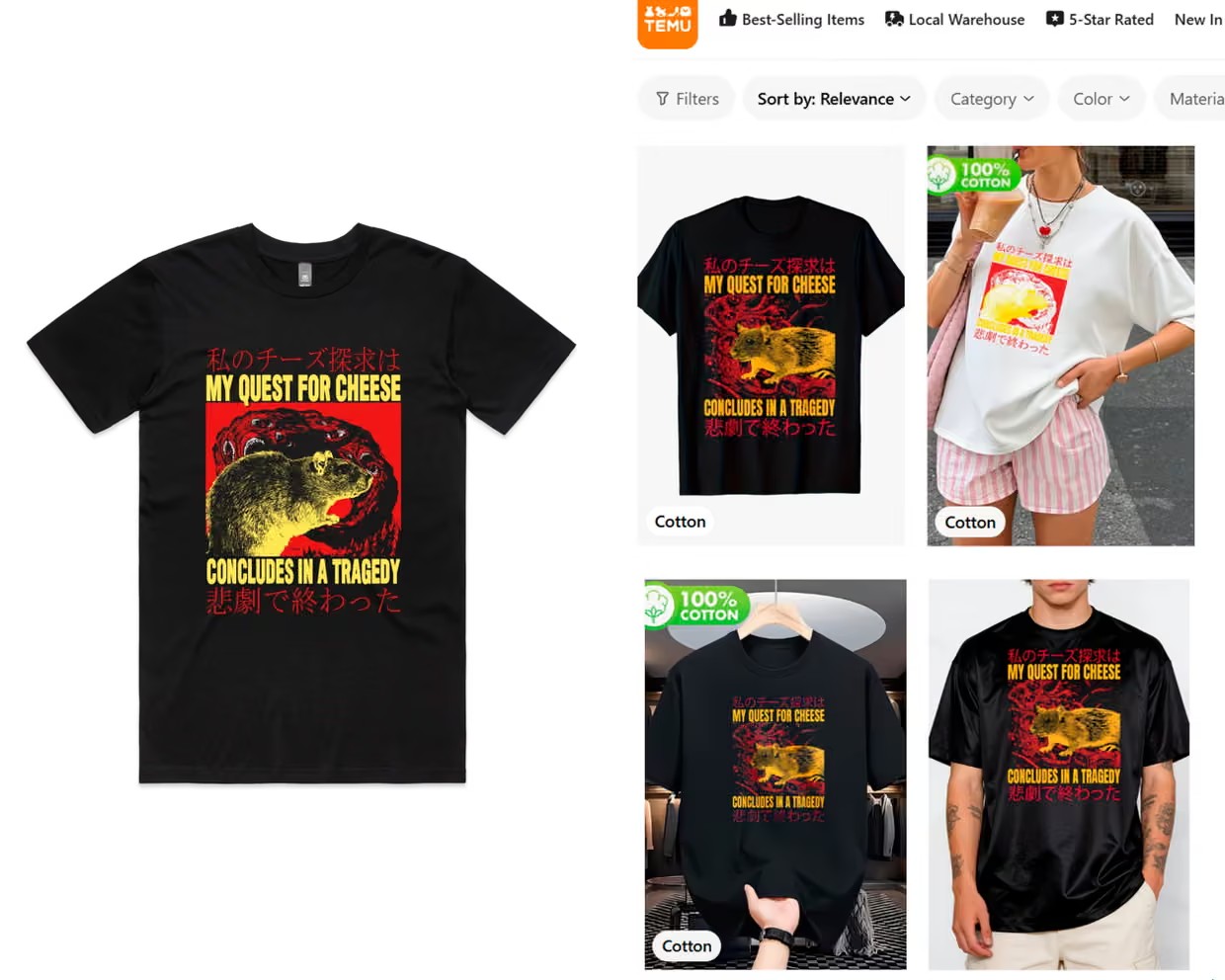
The route to removal is the part worth keeping. Levi's attempts to complain through the platform were, by his account, a stress test: the standard forms kept failing to submit or closing on him, and emails produced nothing. He then fell back on his Australian trademark on the company name — which the sellers had copied into their own product pages — and filed complaints en masse. Most of the copies came down. He says he kept seeing similar shirts afterwards.
Levi believes an AI tool crawled the entire Lonely Kids Club site, which would explain why the descriptions, mockups and photographs travelled together with the designs. That is his reading, not an established finding; in some comparable cases, AI scraping tools may have been used to pull images from the internet before the copying. He notes separately that no generative AI was used to make his shirts.
Temu's response was delivered by a spokesperson and describes a working process. The platform connects independent sellers and forbids them from listing goods that infringe intellectual property. The listings were removed soon after Lonely Kids Club complained through Temu's IP protection portal, and the brand's work was added to a database for ongoing monitoring. Sellers must comply with applicable law and platform rules; those who do not face listing removal, temporary account suspension or a permanent ban. Levi's position is that Temu should hold itself and its sellers to a higher standard.
All of this lands while the Australian government is weighing whether to give AI developers broader access to Australians' content. The Albanese government is still negotiating copyright rules with leading AI companies, and the reforms under discussion could give technology companies a legal right to collect material from the internet and use it to train new models. Levi calls that prospect destructive for creators.
Here is where the two halves of the story rub against each other, and this is my reading rather than anyone's stated position. Copyright was the right that was supposed to cover Levi automatically, and it did nothing for him. Trademark did the work — and trademark only applied because the copiers were careless enough to paste the brand name into their listings. Strip that detail out and he has the same thousands of copies and no lever at all. A text and data mining exemption would weaken the right that already failed him while leaving untouched the one that saved him.
The other thing missing is on Temu's side. Every element of its statement begins with a complaint: listings removed after the brand complained, monitoring added after the brand complained, sellers penalised once identified. Nothing in it addresses how a 4,000-item catalogue, photographs and trademarked name included, got listed in the first place. A rights-holder database built after the fact is a remedy that starts with the victim doing the detection work, unpaid, on a platform with more sellers than any one designer can search.
The practical advice that falls out of this case is bleak but specific: register the name. Australian copyright arrives free and turned out to be close to unenforceable for a small brand; the trademark cost money and moved thousands of listings. Creators reading Levi's experience will conclude that protecting the words above the artwork is the cheaper defence — which is precisely backwards for an industry whose value is the artwork.