
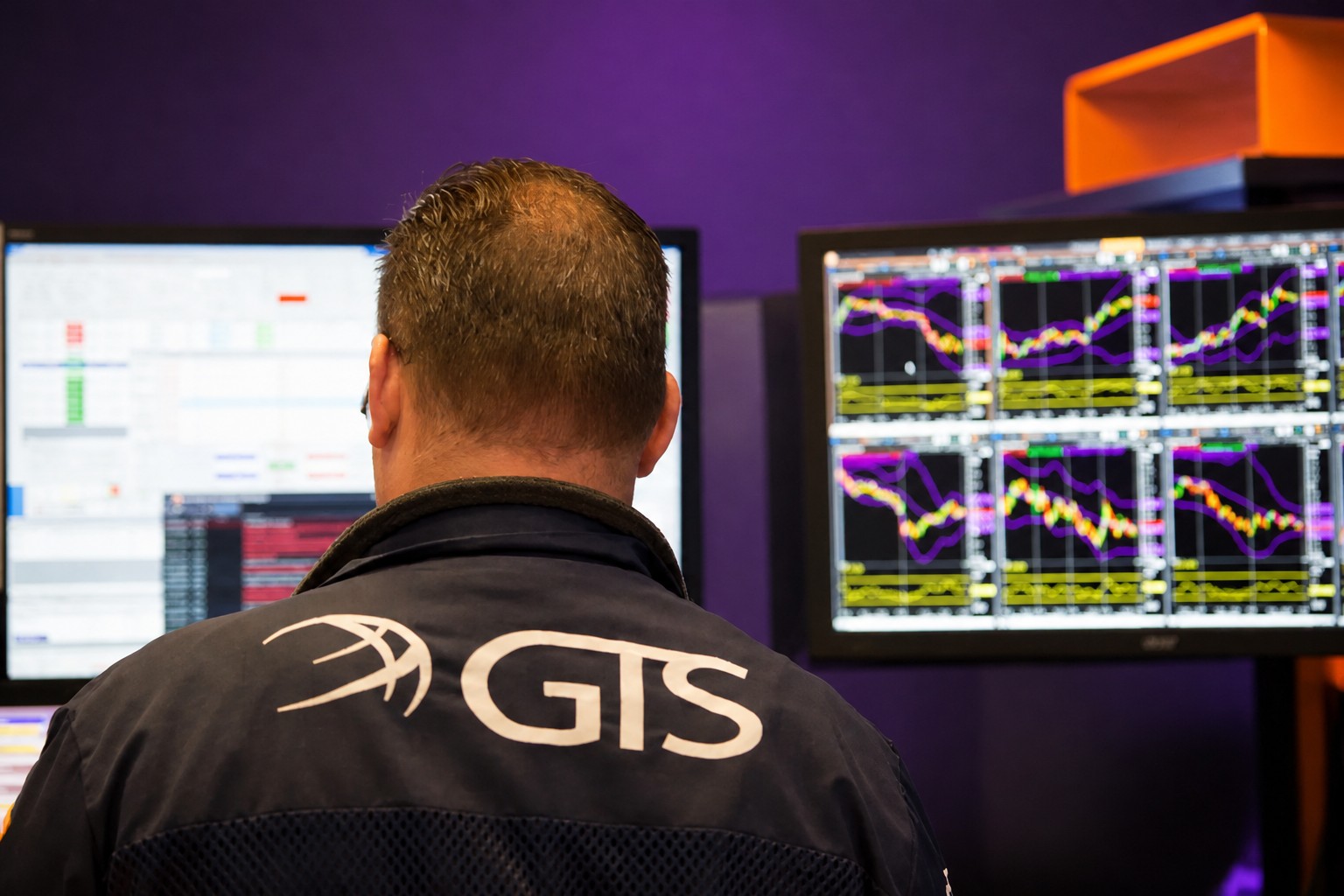
Technology stocks fell sharply after setting records in October. By November 19, the Nasdaq Composite was down about 12%, while Nvidia had fallen roughly 39% from its peak. The decline has been linked to several factors: hyperscalers’ heavy investment in AI data centers, changes to US export policy, high inflation and political uncertainty. Hedge funds’ bets against individual stocks may have intensified the sell-off, but Forbes writer Peter Cohan says they explain only a small part of the decline. Analysts expect the correction could continue for several more weeks.
Technology stocks could fall further before the market turns
What is known about bets on falling stocks
According to Eisner Gorin, profits from a trade based on information that could affect the market may be legal if the information was obtained lawfully.
On November 19, Hunterbrook Capital disclosed a short position in AMD. The publication affiliated with the fund said that a Chinese server maker on a US blacklist continued to receive AMD firmware updates. After the report, AMD shares fell 7.7%, reducing the company’s market value by about $67 billion. AMD disputed the claims, and Hunterbrook acknowledged that its documents did not prove any export-rule violations, Business Insider reported.
In another case, an anonymous trader bet against Nvidia on October 12, a month before Jensen Huang stepped down as CEO of the AI chipmaker. According to the Financial Times, the bet generated $196 million in profit. The trader paid $8.32 million for a put spread, a trade that gains value when a stock falls. On November 12, the position was valued at about $196 million.
The reason for the bet is unknown. In May 2026, Culper Research published a report claiming that Huang had ties to an alleged Chinese intelligence operative. But the author says that was not enough to lead to his departure: Huang has been linked to two other alleged affairs. Finding out whether the trader knew about those stories before they became public would require an investigation.
Why the technology market is falling
November 5 was the worst single day. Democratic gains in the midterm elections heightened concerns that data center construction could be restricted. The Nasdaq-100 had its worst daily performance since 2020.
Stocks also fell after companies reported earnings. On October 29, Alphabet’s market capitalization dropped by about $475 billion as heavy capital spending pushed its free cash flow below zero. Intel lost 28.6% after issuing a weak outlook.
Short sellers profited from the October decline in semiconductor stocks. Hedge funds made about $32 billion in paper profits as the semiconductor index fell more than 12% in seven days in mid-October, according to S3 Partners data cited by Bloomberg. CoreWeave’s visible credit problems were among the factors weighing on the market.
The author also attributes the broader downturn to the November 4 election results, hyperscalers’ heavy investment in AI data centers, changes to the US Commerce Department’s policy on chip exports to China, and the risk of higher interest rates amid high inflation.
Possible catalysts for a turnaround
On November 17, Nvidia beat expectations and raised its forecast, but its shares fell the next day and continued to decline. Citi strategists downgraded US stocks and the global technology sector to neutral, warning that Nasdaq positioning could turn net short. Wells Fargo expects further pressure on semiconductor makers, while high inflation has strengthened expectations of a rate hike in December.
Still, most strategists expect bullish sentiment to return. Morgan Stanley’s Mike Wilson called the current period the final stages of the sell-off. UBS, HSBC and Jefferies consider the decline in AI stocks excessive, Reuters reported.
Three events could help trigger a turnaround:
What investors can do
It is impossible to predict exactly when the market will bottom. The author prefers to keep investing regularly in a broad stock index fund. He believes Nvidia shares could fall further because of the consequences of Huang’s departure, as Reuters Breakingviews has reported.
Broadcom shares, however, could benefit if the company and other players in the AI ecosystem take on some of the burden and continue to beat expectations and raise their forecasts.
Dataist’s take: Cash-flow pressure, political risks and interest-rate expectations are intertwined in this sell-off, so individual hedge fund bets do not explain the market’s overall movement. Possible catalysts for a turnaround depend on Federal Reserve decisions and company results, while the author does not give a timeline for a recovery.
Daily AI news
Every day we pick what actually matters in AI and explain it plainly — no hype, no filler. Subscribe if you want to follow where the industry is going.
Only what matters — every day
Follow on X