
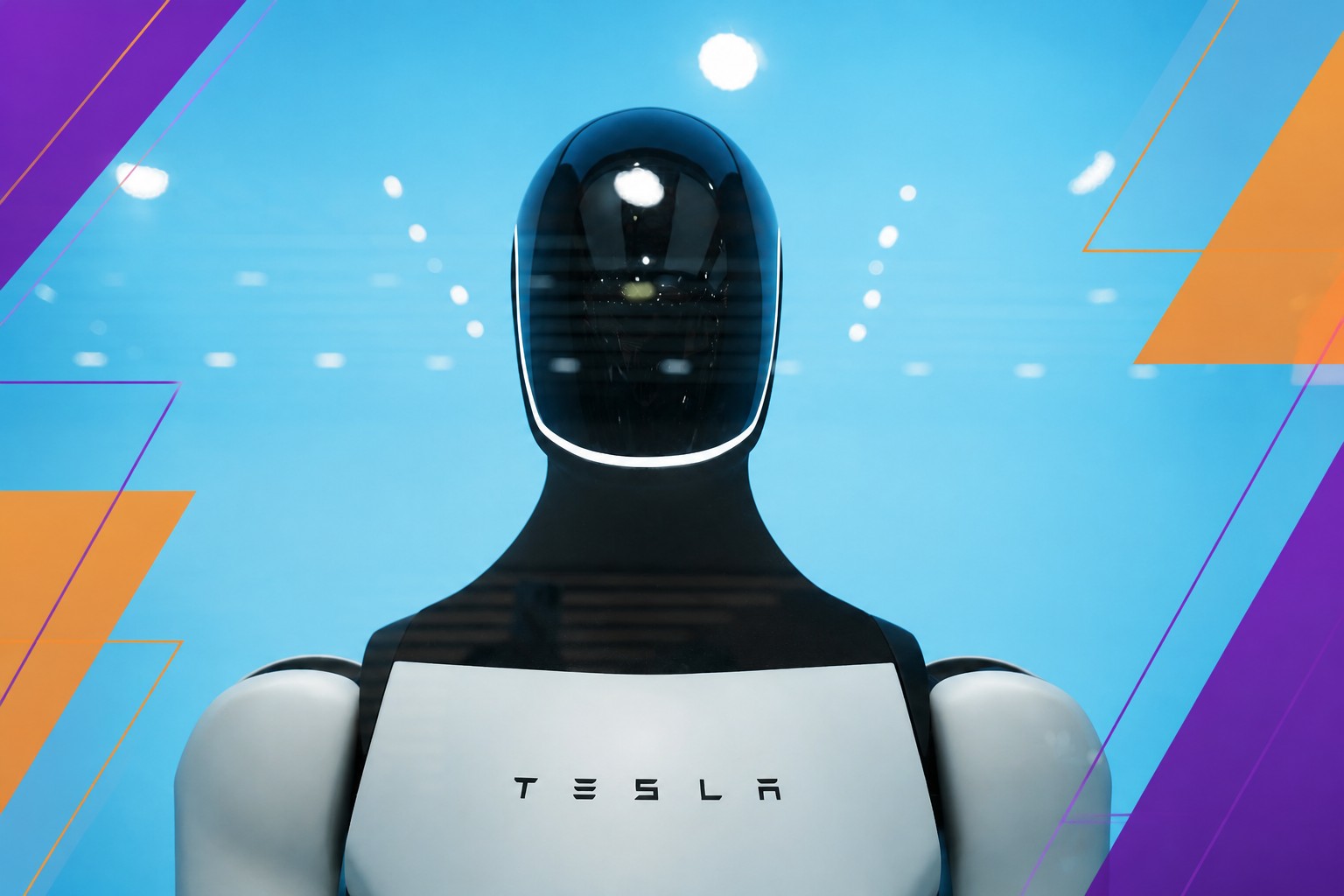
A new product, with a long way to go
Tesla CEO Elon Musk said production would grow slowly and “with some difficulty” because Optimus is a completely new product. The design still needs work: Musk said the robot must be safe, reliable and durable, rather than wearing out in a month.
Tesla also says much remains to be done on both the robot and its AI before Optimus can handle tasks in open-ended environments. That is a larger test than starting a production line. The company’s own account puts the product’s usefulness, not just its manufacturing rate, in question.
The business behind the robot
Tesla’s revenue was nearly flat, while spending rose sharply amid investment in robots, AI and autonomous driving. Net income was $787 million, down from $1.37 billion in the same period of 2025. Lower sales of regulatory credits also weighed on profitability.
The services gains did not cover the costs of Tesla’s AI and Optimus projects. The contrast matters: the robot is a long-term production bet being made while the company’s core vehicle revenue is not growing.
Autonomy slips again
Tesla executives spoke optimistically about Full Self-Driving on the earnings call, but the timeline for a version that does not require driver supervision moved out again. The current subscription product still requires drivers to watch the road and be ready to take control.
Ashok Elluswamy, Tesla’s vice president of AI software, said the company could begin adding customers’ cars to its robotaxi fleet around the second quarter of next year. Those vehicles would use Full Self-Driving (Supervised), updated to drive without supervision. On the April earnings call, Musk had said the unsupervised version would probably arrive in the fourth quarter of this year.
I think the useful comparison here is between Tesla’s precise robot-production target and its shifting autonomy schedule. A weekly output goal sounds measurable, but the company has yet to show that Optimus can perform useful work reliably. The same gap separates a factory line from a commercial robot: production is the easier promise to count.
Daily AI news
Every day we pick what actually matters in AI and explain it plainly — no hype, no filler. Subscribe if you want to follow where the industry is going.
Only what matters — every day
Follow on X