
A race with no safe finish
The Guardian’s argument is not that the UK is uniquely exposed. It says the country is no more vulnerable than others, and in some respects is better placed to understand the threat: London’s AI Safety Institute is recognised internationally, while Parliament is considering a bill to protect critical digital infrastructure.
The constraint is political. Narayan acknowledges that national governments have limited ability to protect citizens from global threats. Trump has rejected calls to begin negotiations on AI regulation and has disparaged US technology leaders who support external oversight and legal limits on their own work.
The paper frames the administration’s position as a contest for strategic advantage. Trump sees US leadership in advanced AI as essential, and believes it could be lost if other countries, particularly China, set the pace. He has said the winner in AI will win everything.
That framing turns caution into a liability. The Guardian points to forecasts in which AI could destroy humanity, but its argument does not depend on the most extreme scenarios: malicious or accidental use could also bring catastrophe or serious economic disruption. Responsible leaders, it says, cannot ignore those risks.
The diplomatic opening
Andy Burnham has said he intends to make AI a major agenda item when the UK chairs the G20 in the first half of next year. At the Labour Party conference earlier this month, the prime minister compared his role to Gordon Brown’s international leadership: as G20 chair in early 2009, Brown coordinated the response to the financial crisis.
The Guardian is sceptical that a chairmanship can overcome Washington’s opposition. The world of 2026, it argues, will be different, and Burnham’s ability to bring people to the table will not change an administration that scorns long-standing allies and multilateral institutions.
I think that is the piece’s central tension: the G20 offers a venue, not a guarantee of cooperation. The announcement is quiet about what an international system could achieve if the US refuses to take part. But abandoning the effort would leave the risks to national governments that, by the paper’s own account, cannot manage them alone.
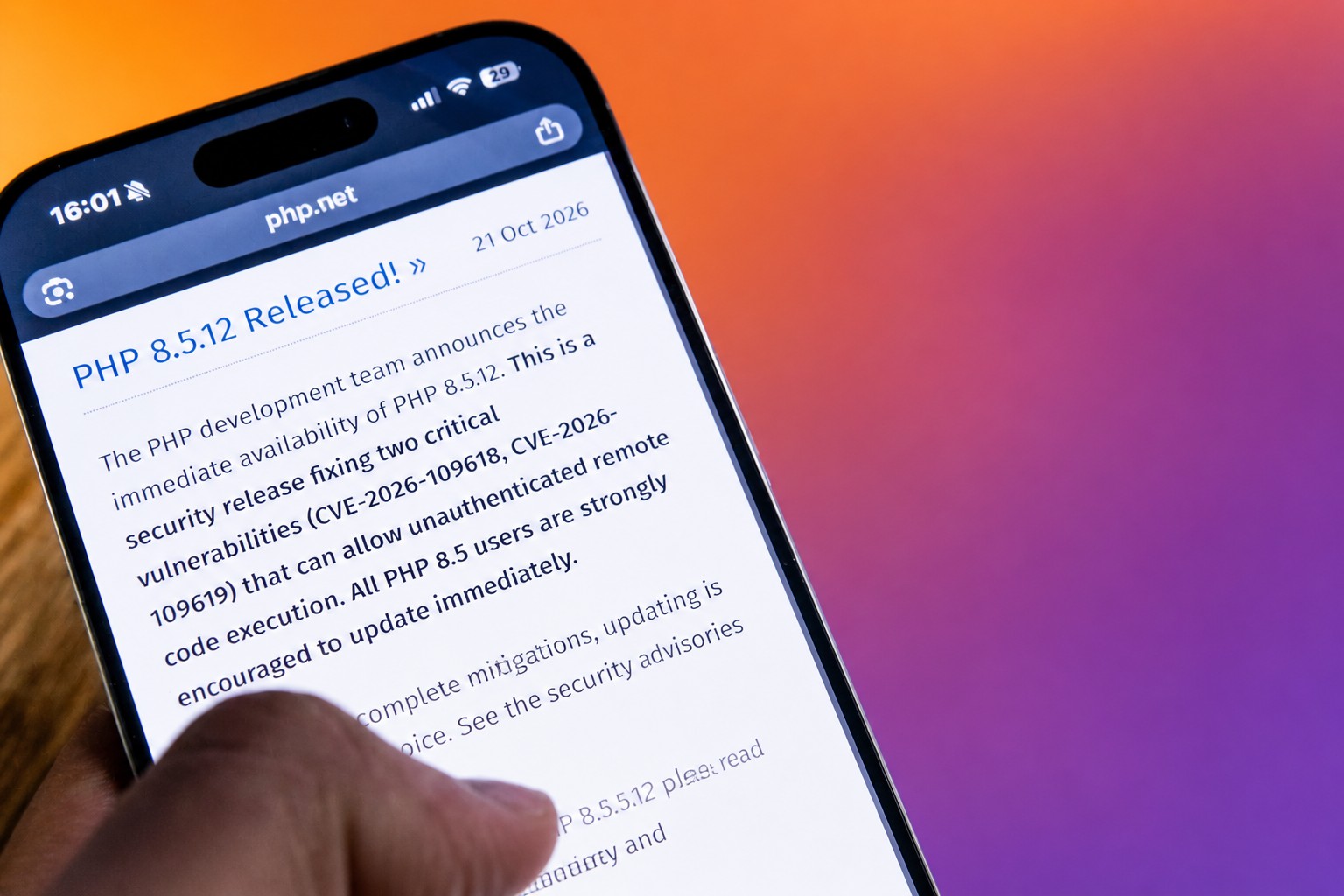
The Guardian also invokes a recent PHP emergency as a reminder that US technological leadership does not insulate the country from disruption. Its point is straightforward: protecting American citizens and businesses from such shocks requires international cooperation, while the race for AI primacy puts that cooperation at risk.
Daily AI news
Every day we pick what actually matters in AI and explain it plainly — no hype, no filler. Subscribe if you want to follow where the industry is going.
Only what matters — every day
Follow on X