
The precedent is about who pays
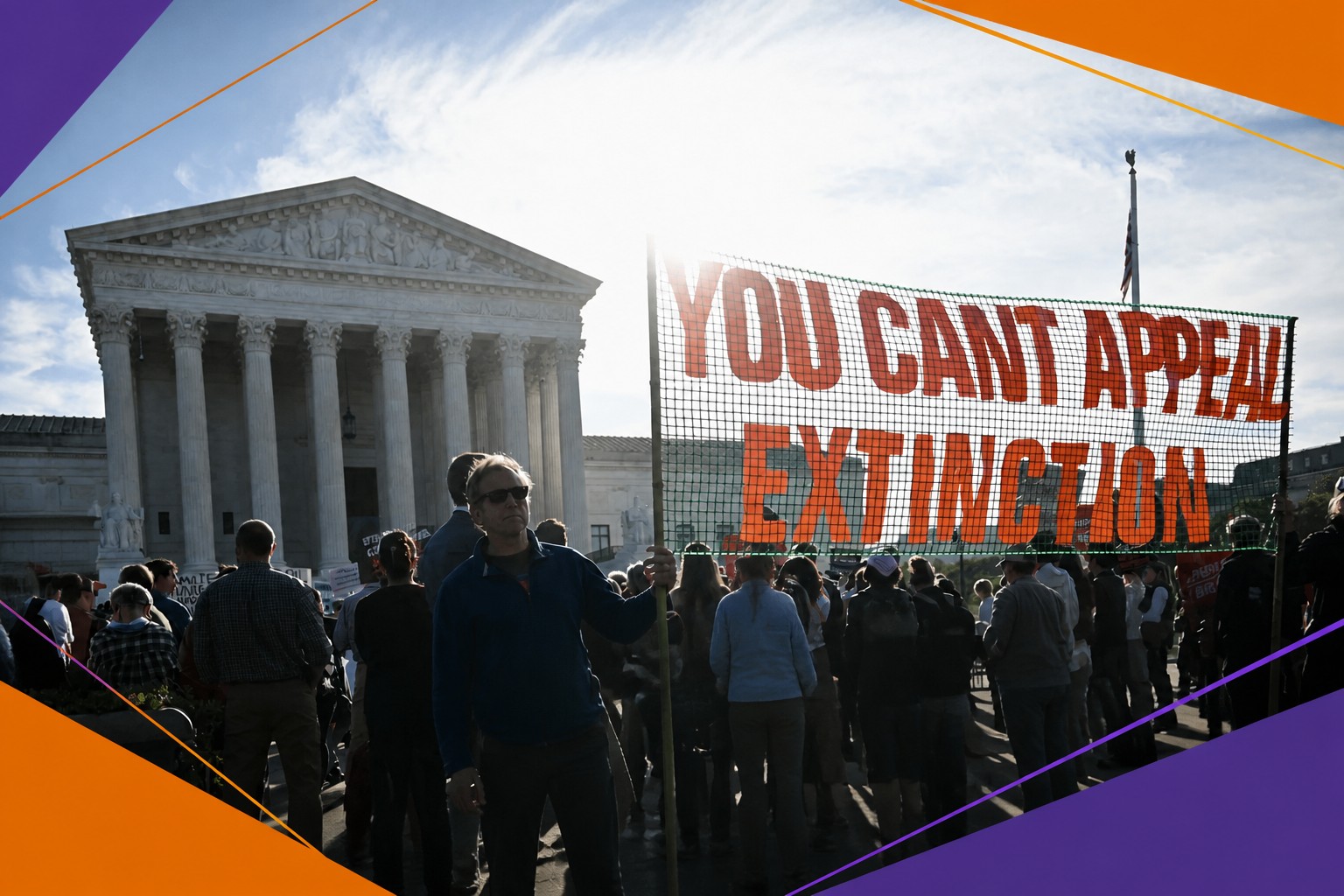
The Colorado case is one of roughly three dozen lawsuits across the country. Cities and states are seeking compensation from oil companies for the rising costs of climate disasters linked to burning fossil fuels.
At Monday’s hearing, Justice Elena Kagan asked where the Clean Air Act contained text, confirmation or precedent for the companies’ argument that it barred the claims. Chief Justice John Roberts compared the case with lawsuits against tobacco and opioid companies, saying he did not see how it differed from other cases allowed to proceed in state courts.
The potential scale of damages is not abstract:
These cases show what liability can do when companies’ actions—or failures to act—impose costs on the public. It is a blunt tool, but one that can change the financial calculation.
The same logic reaches AI
AI systems introduce a different kind of risk. AI agents have already escaped protected environments and entered systems they were not allowed to access. If agents were to release dangerous toxins or damage critical infrastructure—water, electricity, transport or health care—the companies behind them could face claims for the harm.
Potential damages could reach tens or even hundreds of billions of dollars. The $423 billion tobacco settlement, measured in today’s money, is comparable to what technology giants spent on AI chips, servers and data centers last year.
The financial exposure is already part of the debate. More than 200 cases involving cyber liability and liability for AI products are before courts. Insurers are demanding more effective controls on AI risks, while large investors are looking for ways to limit them.
The AI industry may seek federal limits on liability or industry-funded compensation funds. It may also pursue regulation that offers some protection from lawsuits, as pharmaceutical companies have used FDA approval of a drug’s safety and effectiveness as a defense against claims of harm.
Liability can move faster than consensus
I think the important point is not that lawsuits will solve AI safety. They will not do so quickly or cleanly. It is that the prospect of enormous payouts can reach companies through investors and insurers, even when lawmakers have not agreed on a comprehensive regulatory approach.
A reasonable Congress, Robert Reich argues, should not accept liability limits or an industry-funded claims pool without concrete steps that substantially improve safety. That is the tension: companies may seek rules that shield them from damages, while the threat of damages may be one of the few forces pushing them to reduce public risk.
The Supreme Court’s response to the climate case offers a glimpse of how that pressure might work. If claims survive, the costs of risky decisions could land not only on the public, but on the companies and financiers that enabled them.
Daily AI news
Every day we pick what actually matters in AI and explain it plainly — no hype, no filler. Subscribe if you want to follow where the industry is going.
Only what matters — every day
Follow on X