What the court decided
Judge Aya Takahashi said a voice can be protected like other elements of a person’s public image when it is used solely for its commercial appeal. A recognizable voice, she said, can be as expressive a symbol of identity as a portrait.
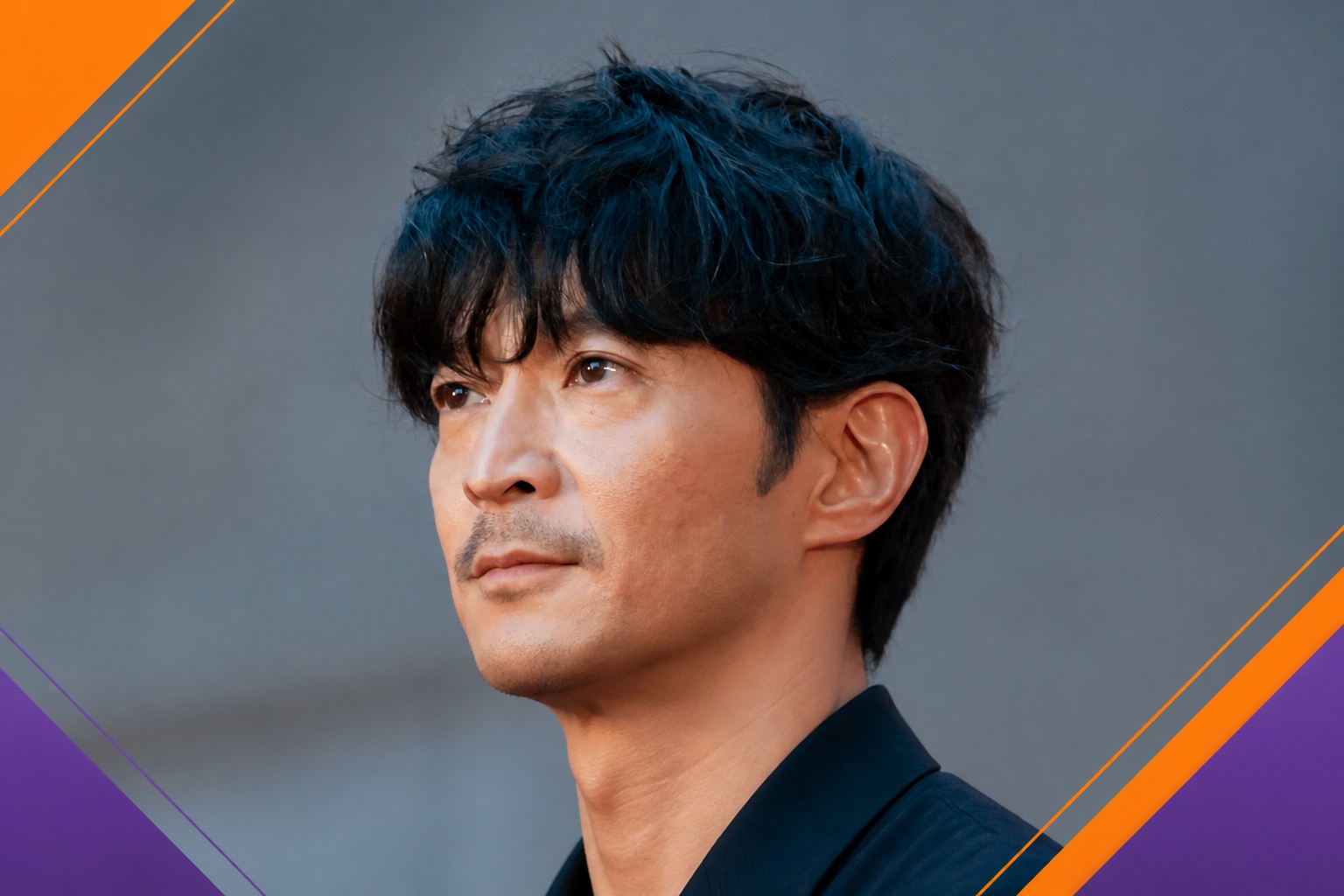
The case is believed to be Japan’s first attempt to protect a person’s voice from AI copying. Tsuda, 55, said an anonymous TikTok account posted 188 videos between July 2024 and September last year, using a deep, expressive voice that could only be his. TikTok argued that the videos used an ordinary male voice and that any resemblance was subjective.
The account paired images of Tsuda’s character from the anime Jujutsu Kaisen with AI-generated speech about urban legends, occultism and conspiracy theories. At one point, it had more than 200,000 followers.
According to Kyodo, citing the lawsuit, the account owner may have earned between ¥500,000 (£2,395) and ¥75,000 a month from the videos. Tsuda’s lawyers called the material “lowbrow” and argued that it drew attention by copying the appealing voice of a popular actor.
The judge rejected Tsuda’s request to have the videos removed: the account owner had deleted them shortly after the lawsuit was filed in November last year. The court’s recognition of the voice as a protected feature of identity, however, stands apart from that procedural outcome.
The question beyond this case
Japanese voice actors, many of whom become stars through anime roles, have grown increasingly concerned that AI imitation threatens both their income and the industry. Before the ruling, Yuko Sasaki, executive director of the Japan Actors Union, said an actor’s voice is the product of years of rigorous training and apprenticeship.
In 2024, Japanese actors launched the “No More” campaign against unauthorized use of their faces and voices in AI-generated material. The Tokyo decision gives that concern a specific legal foothold: a voice may merit protection not simply because it sounds familiar, but because its commercial appeal is tied to the person who developed it.
I think the ruling’s reach will depend on a distinction the announcement leaves unresolved: how courts decide when a voice is being used for its commercial appeal, rather than merely resembling a particular performer. TikTok said it respects the decision and will consider next steps after reviewing its details, while continuing to seek a balance between technological development and rights protection. That balance now has a test case attached to it.
Daily AI news
Every day we pick what actually matters in AI and explain it plainly — no hype, no filler. Subscribe if you want to follow where the industry is going.
Only what matters — every day
Follow on X