The system behind the sponsorship
Most sports organizations see their supporters in fragments:
Treasure AI’s proposition is to connect those signals into a “fan graph” built around customer profiles linked to specific people. The profiles combine information collected directly by the organization with other data. Agents can then reason over that context and act inside marketing, sales and service workflows.
The intended result is a shift from broad campaigns to thousands of individual relationships. Instead of sending one message to tens of thousands of supporters, an organization could continually adjust how it interacts with each person.
Portland Fire president Claire Hamill reduced the idea to knowing the fan: reaching the right people with the right message at the right time.
From analysis to action
This is where agentic AI differs from the previous generation of analytics software.
A conventional customer system might tell a marketer that a supporter has not attended a game recently. An agent could examine that signal, select an appropriate next step and start an approved workflow.
Treasure AI says its platform can move from a customer signal to an action in minutes rather than days. Its agents can request current data and execute workflows, while access controls prevent them from reaching information a particular user is not allowed to view.
The important change is not simply better recommendations. AI is moving toward carrying out tasks on someone’s behalf, which raises the cost of getting context or permissions wrong.
The trust problem
Sports have an asset many brands would like to possess: an emotional relationship with customers. That relationship can also be damaged quickly when an organization appears to know too much.
The partnership leaves several operational questions open:
Treasure AI says its agents operate within explicit limits, including budget caps and mandatory human approval for campaign plans. People set the direction and boundaries; AI speeds up execution.
I think that governance model is more significant than the promise of personalization. The hard part is not giving an agent more data. It is giving it the right context, the right permissions and a clear point at which automation must stop.
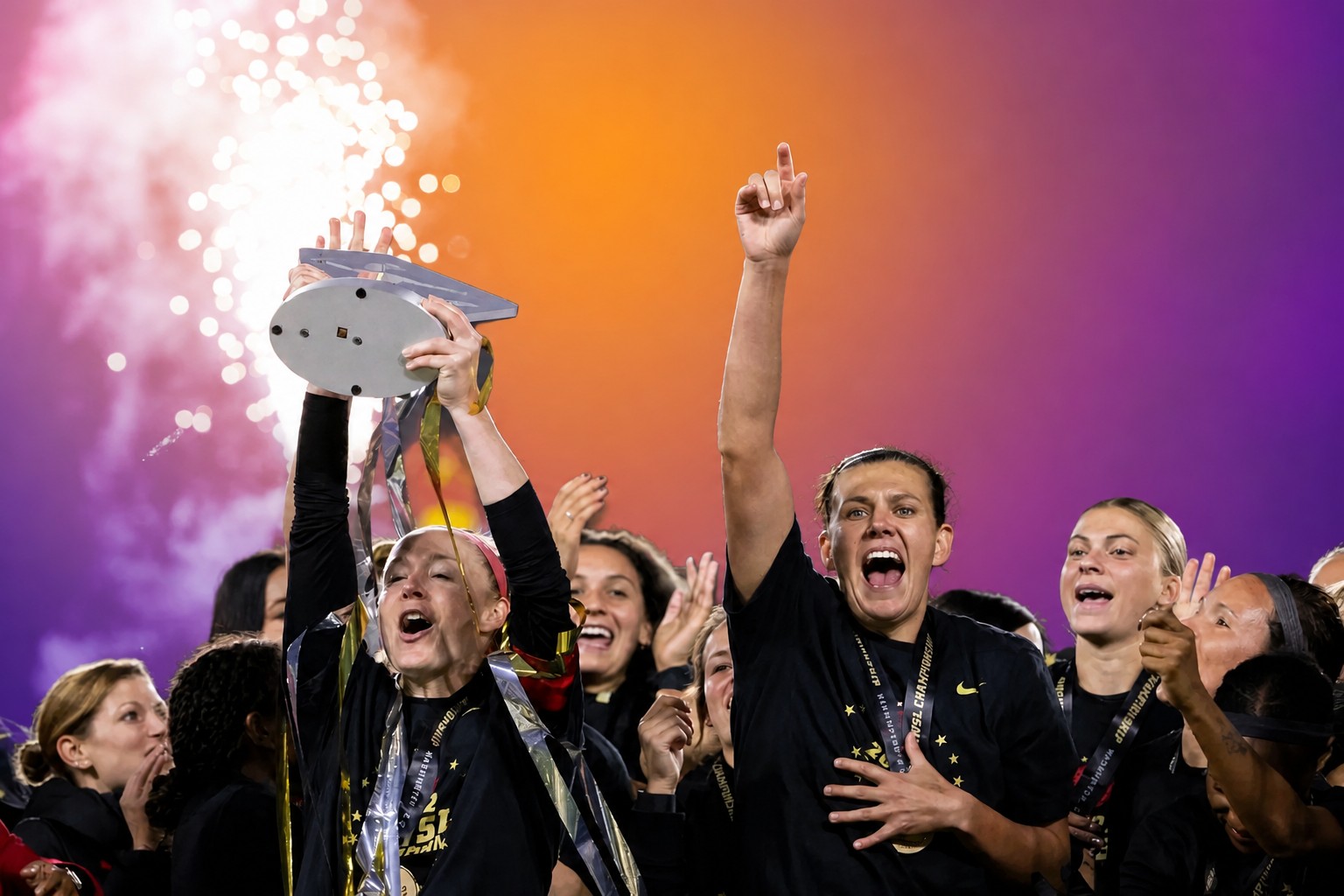
The Portland experiment is especially interesting because of the organizations’ timing. The Thorns have one of the highest attendances in NWSL history. Portland Fire joined the WNBA in 2026 and reportedly drew 19,335 spectators for its debut game. The two organizations are also building a shared 100,000-square-foot training center.
That creates room to design future processes instead of constantly repairing inherited ones. Kimberly Vaele, senior vice president of marketing at Portland Thorns, said the attraction was not the technology itself, but what it makes possible.
The announcement is quiet about how fans will experience the system when it makes mistakes, or how much control they will have over the profiles built around them. That gap matters. A fan experience designed for AI has to be personal without feeling intrusive, automated without removing human control, and intelligent without turning emotional loyalty into a data-extraction exercise.
The next important AI laboratory may not be inside a technology company. It may be a stadium where the relationship between agent and fan is tested in public.
Daily AI news
Every day we pick what actually matters in AI and explain it plainly — no hype, no filler. Subscribe if you want to follow where the industry is going.
Only what matters — every day
Follow on X