
A task force with a 120-day deadline
Trump announced the task force in a Sunday post on Truth Social, saying it would coordinate federal efforts to keep the US a leader in superintelligence. He wrote that many people see it as more significant than the Industrial Revolution and the internet, and said it should protect Americans’ interests and improve their lives.
The group’s chair will be Clayton, according to The Wall Street Journal. Its vice-chairs will be Federal Trade Commission head Andrew Ferguson, Under Secretary of War for Research and Engineering Emil Michael, and Office of Personnel Management Director Scott Kupor.
The task force has 120 days to produce a report on AI’s risks and opportunities. Its charter calls for plans to respond to threats to society from superintelligence, while guarding against excessive regulation and regulatory capture that could impede innovation and competition.
From AI safety to superintelligence
The announcement follows a series of moves that have put “superintelligence” at the center of the administration’s AI language. In September, during a debate over AI safety that Trump largely dismissed as a fabrication by “radical left Democrats,” he said he would create a dedicated AI body and appoint someone to oversee the issue. He added that applicants should have high IQs.
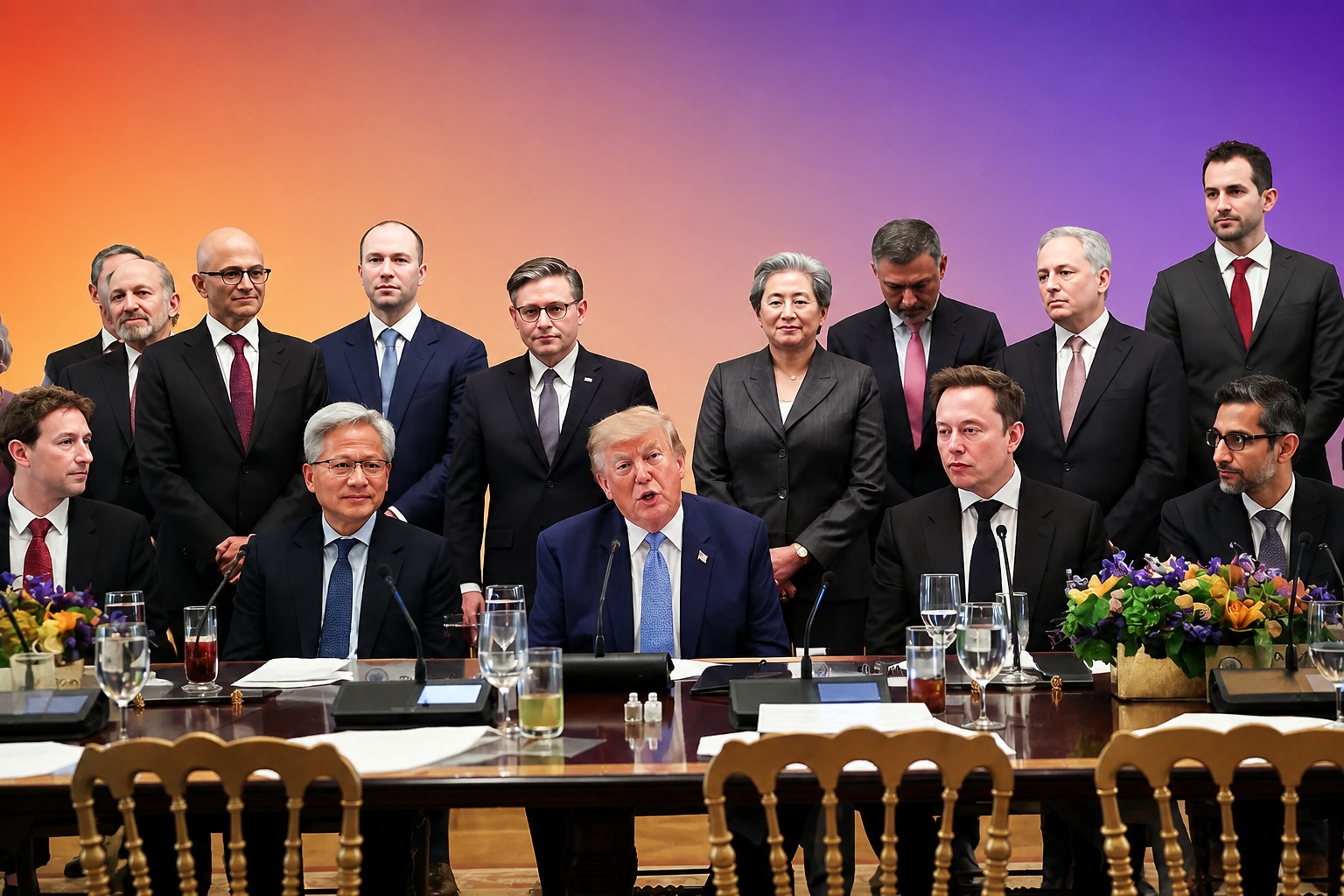
Trump later signed an order directing the government to promote AI under the name “superintelligence.” This week, technology executives gathered at the White House to sign a nonbinding AI safety pledge. They appeared to accept the new terminology, though the pledge included caveats and a typo.
Clayton has argued that it would be irresponsible for the US to “retreat” while countries such as China continue to develop AI. In comments to The Wall Street Journal, he repeated that view and identified the risk of the US failing to lead as one of the main dangers.
The priority is staying ahead
The charter puts two aims side by side: prepare for harms associated with superintelligence, and avoid rules that might constrain innovation or competition. That tension is not new, but the announcement makes it central to the task force’s work.
I think the most revealing detail is the report’s deadline, not the scale of the ambition. In 120 days, the group is expected to describe both the threats posed by a technology the administration treats as potentially transformative and the limits it wants placed on regulation. What remains unclear is how it will weigh those goals when protecting the public and keeping the US ahead point in different directions.
Daily AI news
Every day we pick what actually matters in AI and explain it plainly — no hype, no filler. Subscribe if you want to follow where the industry is going.
Only what matters — every day
Follow on X