The argument at the UN
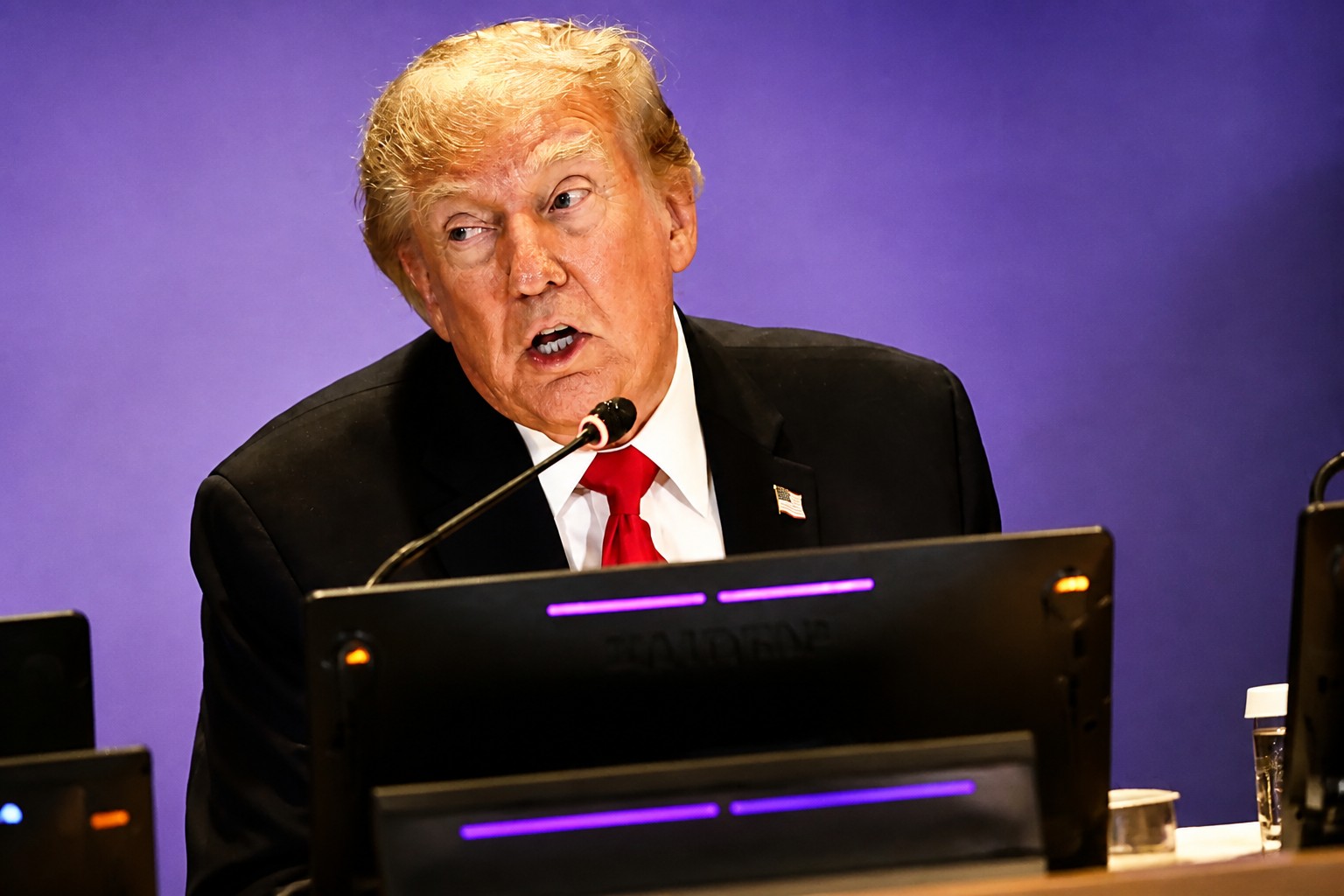
The US debate over AI regulation cuts across political lines, but Donald Trump has taken a distinctly opposing position. In his speech, he criticised people calling for AI development to be paused or slowed.
Trump linked those advocates to people who once warned that global warming would cause mass deaths within 12 years. He said the term “global warming” was later replaced with “climate change” because the planet was supposedly cooling and nobody had died. He then argued that the same people now warn that AI could destroy humanity, trigger robot attacks and cause a general catastrophe.
The comparison is the centre of his argument: climate warnings, in his telling, became AI warnings, while regulation in both cases is treated as an overreaction.
From artificial intelligence to superintelligence
Trump also proposed replacing the term “artificial intelligence” with “superintelligence.” He said “artificial” makes the technology sound unreal, even though AI is not unreal and looks impressive.
That position contains an obvious tension. Trump said there was no reason to worry, then added that people should still be cautious with the new technology. He ended this part of the speech by declaring the arrival of a “new world of superintelligence.”
I think the renaming matters less than the framing around it. “Superintelligence” makes the technology sound more consequential while removing the word that suggests something manufactured or potentially controllable. The speech offered no comparable explanation of what caution would require after the US rejects a global control system.
Source: futurism.com
The cost of dismissing the risks
The climate comparison also leaves out who bears the consequences of inaction. Climate change is already killing people around the world. This summer brought several examples:
Source: futurism.com
The source connects Trump’s position with his wealth and circumstances: as a president with a vast fortune living in the richest country on the planet, he is unlikely to encounter the victims of accelerating warming personally. Those victims include some of the poorest and most vulnerable people in different regions of the world.
The same social question hangs over AI, even though Trump did not address it. What I would want to know is who is expected to absorb the damage when a country rejects shared rules but still tells everyone to be careful.
Companies have moved with him
Trump’s comments also reflect a broader economic shift. He says the climate movement has moved on to AI, but the environmental agenda continues through grassroots organisations, international coalitions and academia.
American corporations and billionaires, meanwhile, have sharply moved away from green capitalism and backed Trump’s energy policy, associated with the slogan “drill, baby, drill.” That alignment gives the speech more weight than a simple dispute over terminology: the same political coalition is dismissing climate warnings and AI safety warnings as hysterical slogans.
My reading is that Trump is not offering a theory of AI governance so much as a theory of who should bear responsibility. By rejecting global controls, brushing aside climate concerns and leaving the meaning of “caution” undefined, he sends the UN a signal that the US intends to ignore both problems. Other countries are left to deal with many of the consequences of decisions they did not make.
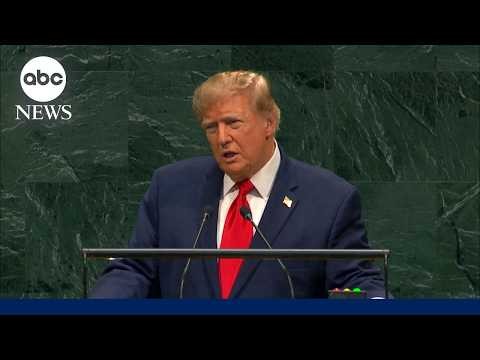
FULL SPEECH: Trump addresses United Nations General Assembly
Source: futurism.com
Daily AI news
Every day we pick what actually matters in AI and explain it plainly — no hype, no filler. Subscribe if you want to follow where the industry is going.
Only what matters — every day
Follow on X