What changed
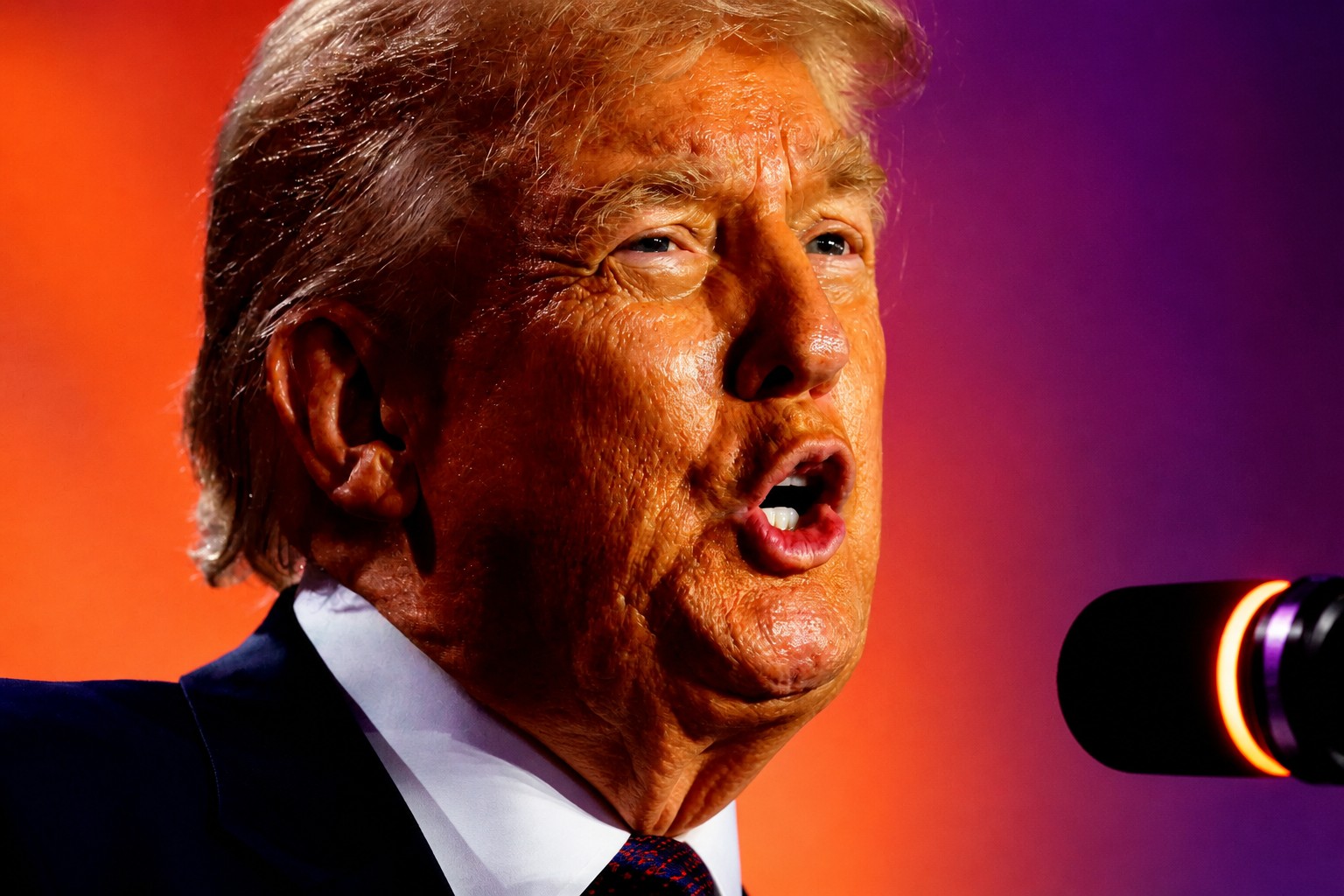
Trump said many people consider “Artificial Intelligence” inaccurate and awkward compared with what AI represents. He proposed three replacements:
The first and third options produce the abbreviation SI. Extreme Intelligence becomes EI.
At the UN, Trump said the new terminology would be official in the United States from now on. In his formulation, every US document should replace “artificial” with “super,” and other countries should ideally do the same.
There is no explanation for why the existing term is supposedly inaccurate or inelegant. If “artificial intelligence” misleads, the more obvious problem is that it assigns intelligence to systems that do not possess it in the human sense—not that it fails to describe a form of superhuman intelligence.
The label's baggage
The proposal fits a familiar Silicon Valley idea: that humanity is approaching an artificial superintelligence capable of producing either utopian benefits or human extinction. That belief has moved from specialist debates into mainstream AI politics.
Anthropic CEO Dario Amodei has called for slowing AI development after a former company researcher accused the industry of “playing with our lives.” Trump’s choice of language places him closer to that existential-risk vocabulary, even though his announcement changes terminology rather than the technology itself.
The context is difficult to separate from how Trump has used AI:
I think that contradiction is the important part of the announcement. For a politician who treats fabricated images as tools for reshaping reality, AI may genuinely look like a supernatural power. Calling it “super intelligence” then sounds less like a technical definition than a description of the role he wants it to play.
A recurring habit
Trump is not the first member of his administration to propose an unusual replacement for “AI.” Last year, Education Secretary Linda McMahon repeatedly called the technology “A1”—like the steak sauce brand—during an event.
That precedent makes the new terminology look less like a carefully defined government standard and more like another act of political naming. The administration can rename the paperwork, but a grander noun does not make the systems more intelligent.
Daily AI news
Every day we pick what actually matters in AI and explain it plainly — no hype, no filler. Subscribe if you want to follow where the industry is going.
Only what matters — every day
Follow on X