A new layer of oversight
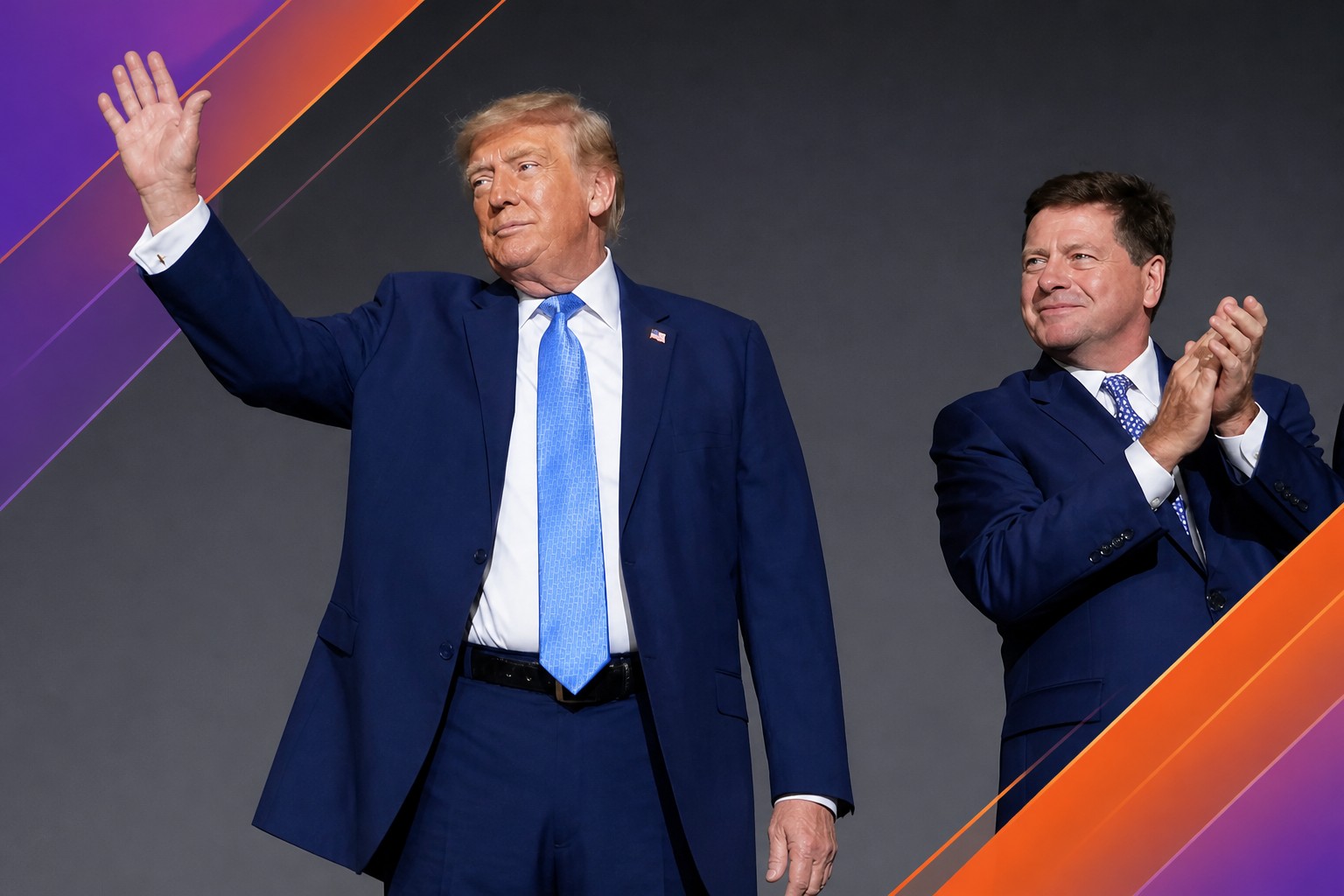
Trump said on Sunday that Clayton would head the Superintelligence Service, or SIF. It will coordinate with consumers, community and religious organizations, critical-infrastructure operators and companies working on superintelligence. CBS News first reported Clayton’s appointment as the White House AI overseer.
Clayton has held senior roles in law and government: he was Manhattan’s chief federal prosecutor and chaired the Securities and Exchange Commission during Trump’s first term. At Senate hearings, he said AI brings both opportunity and risk, and that government needs to learn how to manage the technology.
The appointment adds to a set of AI oversight efforts Trump has announced:
The initiatives follow warnings from technology-industry figures that AI is advancing too quickly to control and could harm people. Trump has largely dismissed concerns about AI and the data centers that power it, arguing that AI development is essential to beating China in the global race.
The role has changed hands
Trump created the AI and cryptocurrency overseer role after returning to the White House in January 2025. David Sacks, a venture investor and technology entrepreneur, held it until March 2026, when he reached the term limit for his status as a “special government employee.” Sacks remains co-chair of the President’s Council of Advisors on Science and Technology.
Trump had raised the possibility of appointing Clayton in September. Speaking to Axios, he called Clayton a good person and said appointing him would be a good idea. Trump had previously said he wanted an overseer with a “high IQ,” and recently met with AI industry representatives to discuss their concerns.
I think the appointment’s most revealing feature is the gap between the title and the remit: Clayton leads the intelligence agencies, but the service he is set to run is described as a coordinator across government, industry and civil society. The announcement does not explain what authority the service will have, or how its work will relate to the advisory committee and the existing AI agreement. Without those details, the new post looks less like a defined control system than another promise to build one.
Daily AI news
Every day we pick what actually matters in AI and explain it plainly — no hype, no filler. Subscribe if you want to follow where the industry is going.
Only what matters — every day
Follow on X