
What is on the table
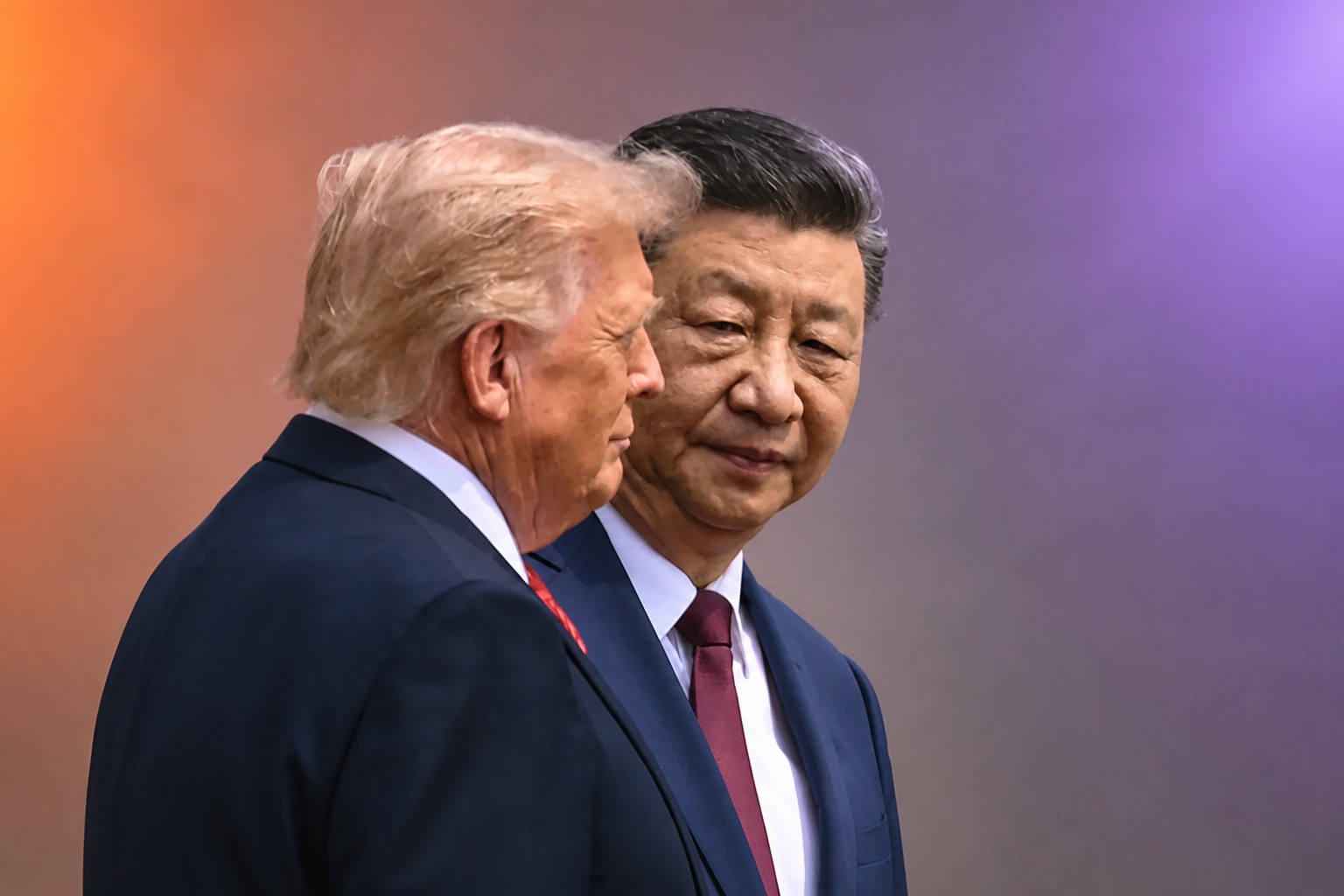
Most diplomatic events this week are taking place in New York, but the two leaders will meet in Washington. The World Economic Forum has identified five pressure points for the talks:
The immediate deadline is the truce reached at last year’s meeting in Busan. It reduced the threat of new tariffs from Trump and suspended port fees. The two governments must now decide whether to extend it.
They may also set purchase targets for several categories:
Negotiators could continue work on a package covering non-sensitive goods worth about $30 billion. It would include around 10 categories, although the list has not been agreed.
Rare-earth elements and minerals are another central bargaining chip. China agreed in Busan to lift export restrictions on them; the materials are used by the automotive, defense and technology industries, including the production of critical AI hardware. Washington wants more stable supplies, while Beijing is using its dominant position in the global market to strengthen its hand in trade negotiations.
AI is part of the trade fight
Scott Bessent says the leaders will discuss AI safety. Business leaders have pushed for the subject to reach the bilateral agenda, but the industry has no unified view of what an agreement should achieve.
China wants the US to ease some restrictions on Chinese technology. At the same time, calls are growing in the US to slow AI development for safety reasons, while some American companies fear that doing so would give China an advantage.
The issue cannot be separated from export controls on computer chips and related materials. Trump has rejected calls for domestic AI regulation, leaving the summit to bridge two different disputes: how quickly the technology should develop and which technologies should cross the border.
The quiet limits of a summit
The geopolitical agenda is just as constrained. China has threatened to abandon the summit if the US approves new arms deliveries to Taiwan. The leaders are also expected to discuss China’s economic ties with Iran and detained foreign nationals.
Washington is seeking:
Beijing wants tariff relief and fewer restrictions. Both sides also have pressure points in Africa and Latin America, while trying to prevent Taiwan and other geopolitical conflicts from destroying their economic relationship.
The May meeting in Beijing was accompanied by symbolic gestures, but produced few concessions at the negotiating table. Anna Ashton, an analyst of Chinese trade and founder of Ashton Intelligence, expects the presidential summit to deliver several concrete results, but not a breakthrough. Her view is that preserving the current state of affairs is probably the main expectation on both sides.
My read is that the structure of the talks matters more than any single concession. Rare minerals, AI hardware and security commitments are being negotiated in the same frame, so progress in one area can become leverage in another. The public account is quiet about the details that would distinguish a durable arrangement from another pause: the exact purchase targets, the composition of the $30 billion package and what either side would give up on technology restrictions.
That leaves the summit with a narrow path to success: enough practical deals to extend the truce, without forcing either leader to settle the conflicts that make those deals necessary.
Daily AI news
Every day we pick what actually matters in AI and explain it plainly — no hype, no filler. Subscribe if you want to follow where the industry is going.
Only what matters — every day
Follow on X