
A model built to produce decisions
Jev uses a transformer architecture but is not a large language model. Instead of generating text, it calculates probabilities—what TypeSafe calls “calibrated decisions.” The company says Jev runs faster and uses far fewer tokens than large language models, positioning it as a tool for automating tasks.
That distinction is central to the company’s pitch: language models work with words, while Jev is meant to return outputs that computers can act on. TypeSafe co-founder Diogo Almeida made a related argument to TechCrunch last month, saying that over the past four years companies had learned to work well with human language, but that this was poorly suited to automation because computers use a different language.
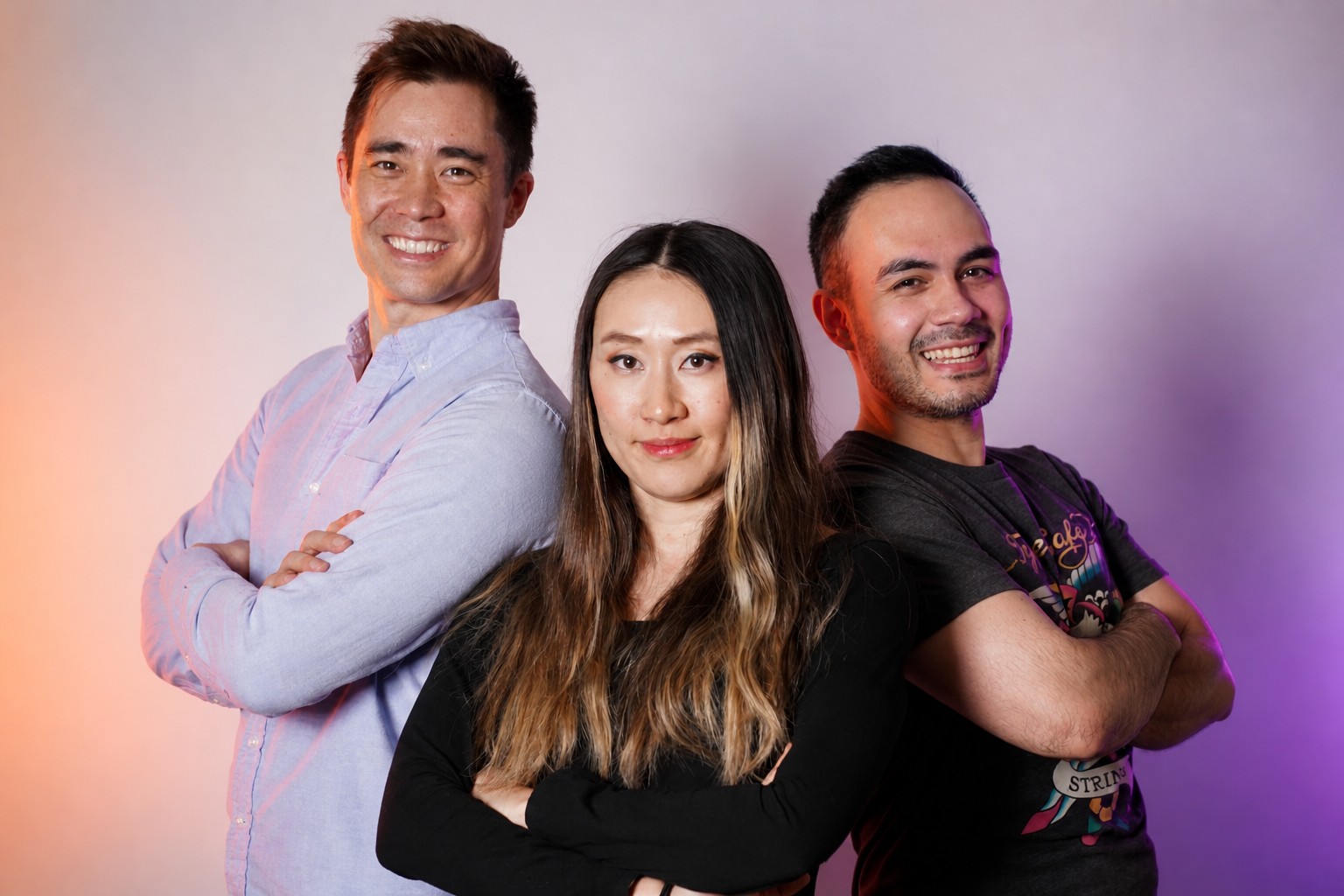
Almeida previously worked as a researcher at OpenAI. He founded TypeSafe in 2024 with Sasha Shen, a former research engineer at Meta, and engineer and entrepreneur Eric Gaffney.
The adoption claim is the real test
I think the interesting question is not whether a non-text model can attract a large round; it is what “used by a third of Fortune 500 companies” means in practice. The announcement gives no detail about how those companies use Jev or how deeply it is integrated into their workflows.
That gap matters because speed and lower token use are company claims, while adoption alone does not show that Jev is reliably automating work. The funding values the promise highly; the harder proof is whether companies keep using the model once it has to deliver decisions they can trust.
Daily AI news
Every day we pick what actually matters in AI and explain it plainly — no hype, no filler. Subscribe if you want to follow where the industry is going.
Only what matters — every day
Follow on X