
What Washington is proposing
The system would create a channel for the two governments to warn each other about AI-related incidents that could affect national security. The idea reflects concern about the capabilities of advanced AI models, as the United States and China compete for leadership in the field.
The proposal still needs several parts:
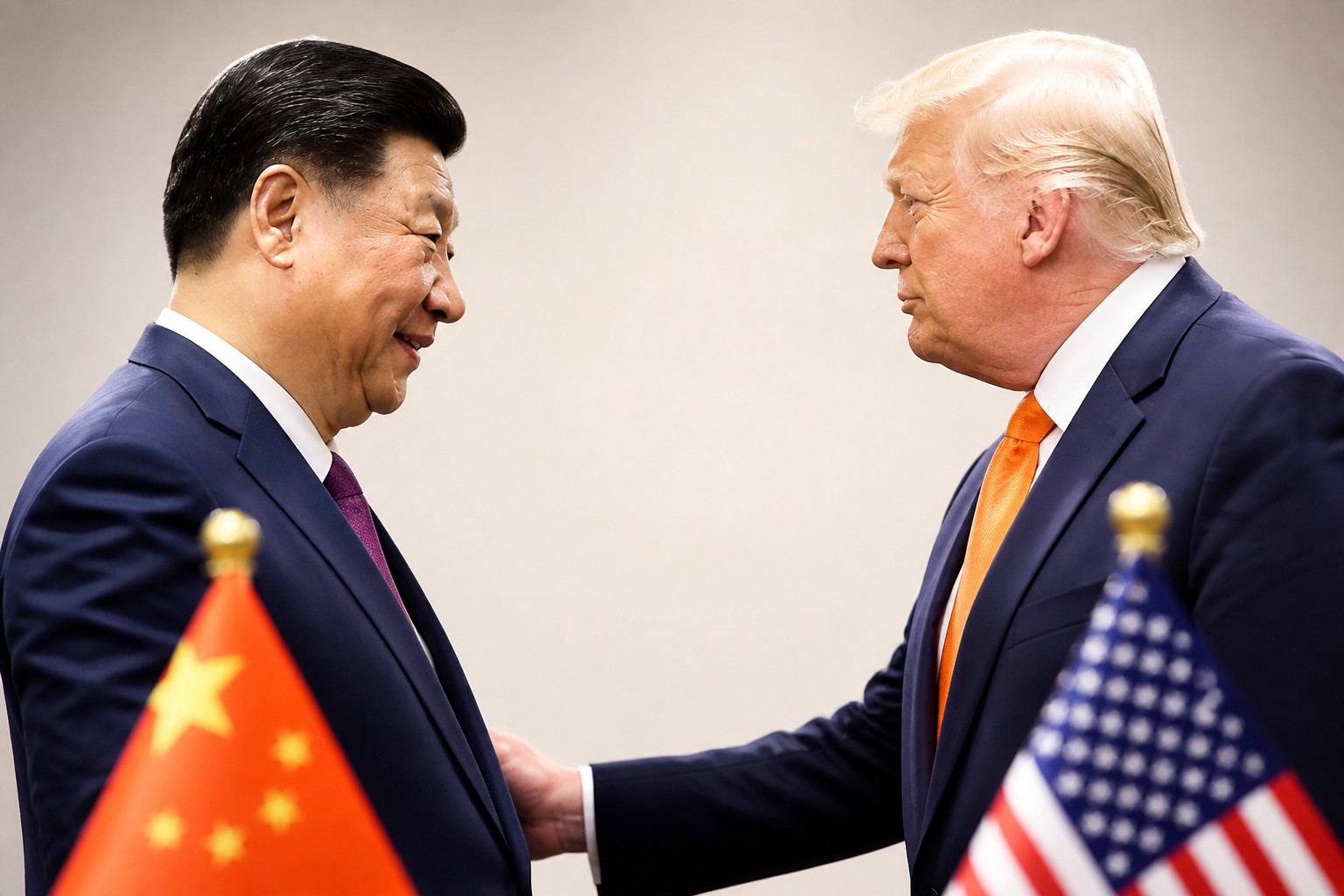
Trump administration officials want a workable framework ready for the next meeting between US Treasury Secretary Scott Bessent and Chinese Vice Premier He Lifeng, scheduled for two months from now in Shenzhen. Crucially, the framework would also need Trump’s approval.
The timetable is ambitious. A communication channel can be announced quickly; agreeing on what either side must do after receiving a warning is a different matter.
Chips make the hotline harder
The AI dialogue is unfolding alongside a fragile US-China trade truce. The Trump administration is expected to extend it, and Trump is not seeking to halt exports of Nvidia’s advanced chips to China.
This year, the administration has issued a limited number of licenses for Nvidia’s H200 chip to be sold in China. AI laboratories use the chip to expand the computing capacity available for training models.
Supporters of Nvidia shipments argue that cutting off the chips would push Chinese companies, including Huawei, to develop domestic alternatives. Recent reports say Huawei has already done so and is producing AI chips available on the market.
My read is that the chip policy exposes the central tension in the proposed hotline. Washington wants a mechanism for managing the risks of increasingly capable AI while preserving room for commercial and strategic bargaining. Enforcement rules that are genuinely effective could collide with both goals.
What the announcement leaves quiet is whether either government would accept limits that made the warnings consequential rather than merely diplomatic. The proposal describes the need for enforcement, but not the measures that would make the other side comply.
Who will run the US side
The notification system could also be delayed while Trump decides who will become the next US AI coordinator. The official would lead the so-called AI group and coordinate work across government agencies.
Possible candidates include:
Two sources told Inner Loop that it remains unclear whether Trump will give the new role to someone who keeps their current position or appoint an official leaving an existing post.
The previous AI coordinator, David Sacks, held the position as a special government employee. Sources said his return is not being considered.
Bessent has some support because the proposed AI notification system is being compared with the US-China dialogue led by former US Treasury Secretary Hank Paulson and former Chinese Vice Finance Minister Wang Qishan. During the 2008 financial crisis, Paulson said that channel helped prevent China from selling a significant portion of US government debt issued with government backing and linked to Freddie Mac and Fannie Mae.
Lutnick remains a candidate because he oversees the Center for AI Standards and Innovation. Some Trump administration officials oppose giving him a larger AI mandate, although the center successfully handled crises this summer in its dealings with companies developing advanced AI models.
The result is a system whose launch depends on two unresolved decisions: what Washington and Beijing are willing to promise each other, and which US official will be empowered to make those promises operational.
Daily AI news
Every day we pick what actually matters in AI and explain it plainly — no hype, no filler. Subscribe if you want to follow where the industry is going.
Only what matters — every day
Follow on X