
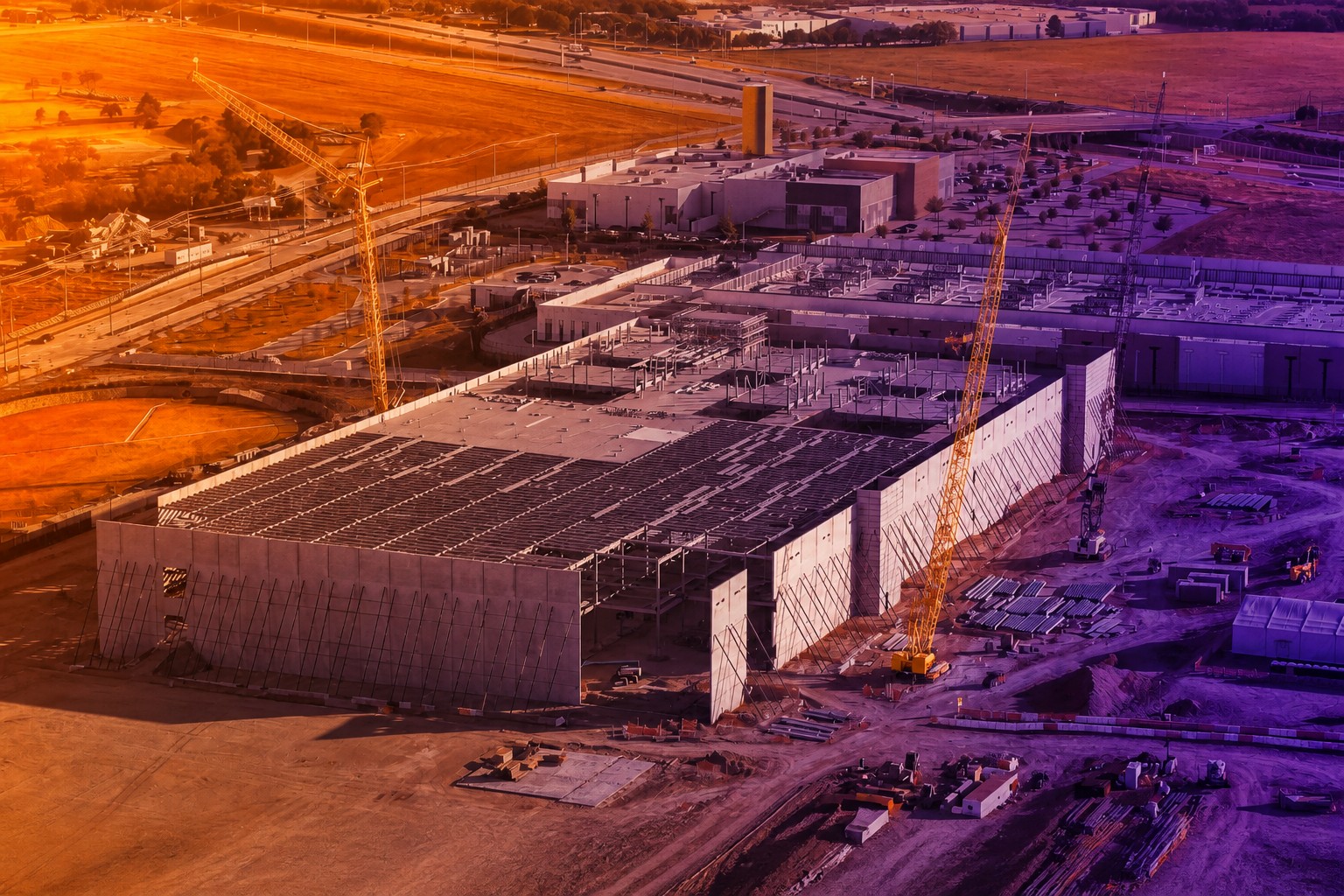
When the grid cannot keep up
On-site power offers developers a way around limited grid capacity. But it also moves the costs of powering data-center growth closer to the communities living beside those facilities.
Lawyers say projects of this kind violate local permitting rules and federal environmental regulations. That raises a question beyond how much electricity these facilities need: who bears the consequences when developers seek power faster than the grid can provide it?
Cancellation is becoming a counterforce
The number of data centers that could be cancelled is growing quickly. Local residents are organizing, while financial pressure on projects is increasing. When a large data center is cancelled, the benefits extend beyond the people living in the area where it was planned.
I think the striking part is that opposition is not just a local obstacle to construction. It may also be one of the few forces capable of slowing the emissions consequences of a buildout that the grid cannot easily serve.
What remains unclear is how many proposed projects will actually be cancelled, and whether that pressure will change how future data centers secure power. If developers continue to rely on nearby fossil-fuel plants, the country’s emissions progress will depend in part on whether communities can stop projects before they are built.
Daily AI news
Every day we pick what actually matters in AI and explain it plainly — no hype, no filler. Subscribe if you want to follow where the industry is going.
Only what matters — every day
Follow on X