
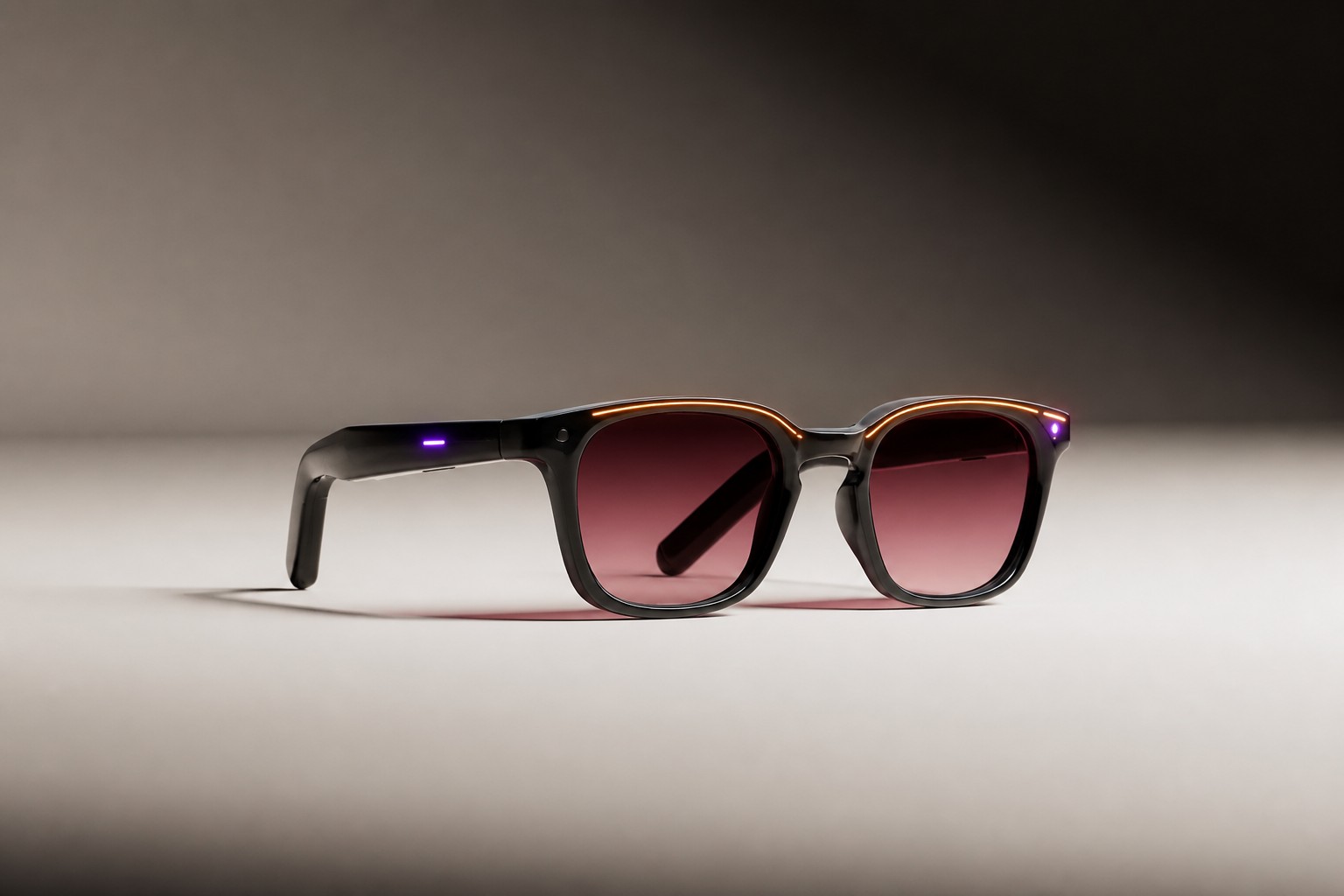
What Vonder is for
Viture is best known for Viture One and Viture Beast, wearable computers that connect over USB-C and project a device’s screen in front of the user’s eyes. Those products target gaming and entertainment, but their large frames are less convenient and less ordinary-looking than conventional glasses.
Vonder takes the company in a different direction:
The built-in assistant combines several large language models:
Vonder AI chooses a model based on the complexity of a request and which system can handle it faster and more cheaply.
Preorders open on September 28, with shipments planned for November. The company now operates from major offices in California and Beijing.
A memory graph with one voice
Vonder collects information about the wearer’s day and conversations, then organizes it into a personal memory graph. That graph can include places such as coffee shops, sports the user plays and other details the user chooses to share. In the companion app, the connections appear as a large network diagram.
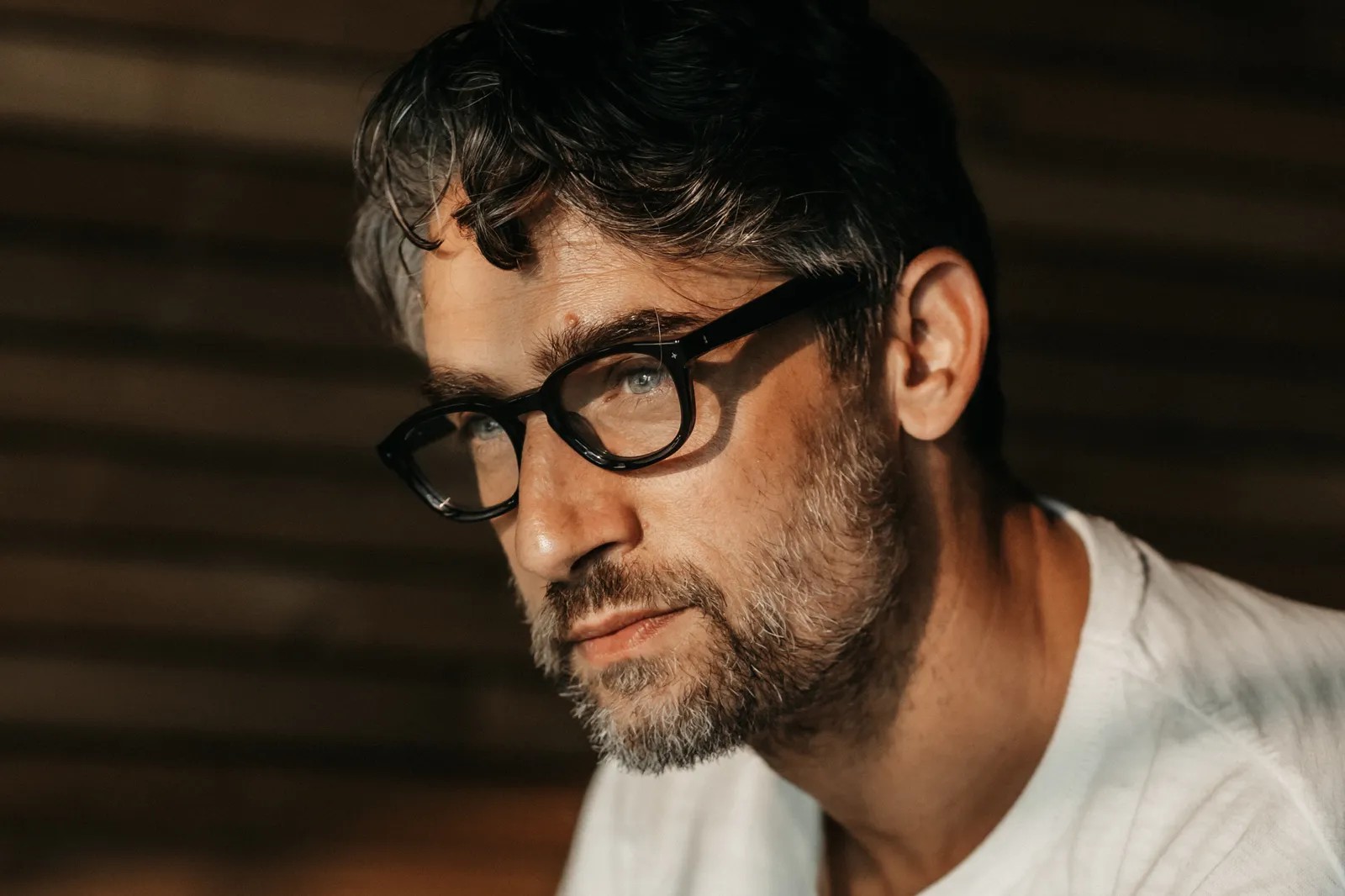
During a demonstration, Viture co-founder and CEO David Jiang showed a graph covering the previous three months. He used it to find a coffee shop that matched his preferences, and to explore why he had recently felt stressed.
The assistant also works proactively. It surfaced topics Jiang had been thinking about, helped with hiring decisions and prepared a plan for announcing Vonder one day before the Meta Connect conference. Before a meeting, it assembled a briefing on a journalist, including who he was, what he wrote about and which subjects Jiang should prepare to discuss.
Source: wired.com
Jiang says Vonder is meant to reproduce the way the human brain organizes memories rather than produce a transcript or recap. He considers that organization more effective than ordinary human memory.
The clearest evidence for the product’s intended role is personal. Jiang said he used to shout criticism at his 10-year-old son during tennis tournaments, believing pressure would help him succeed because that was how Jiang had been taught to raise children. Vonder identified the pattern, told him the behavior was not helping and suggested that he stop shouting, remain present and support his son.
Jiang says the advice worked. He believes the glasses helped him become a better father and improved their relationship.
The privacy tradeoff is also a memory tradeoff
Viture is positioning Vonder against camera-equipped products such as Ray-Ban Meta. Like Xreal and Even Realities, the company emphasizes that its glasses are intended to look and feel less suspicious to people nearby.
A blue indicator lights up when the glasses record audio. It sits as a small dot on the temple, farther from the center and less conspicuous than the indicator on Ray-Ban Meta.
Most of the time, Vonder can collect data only when the wearer is speaking. Meeting mode activates the microphones to record the surrounding environment. Otherwise, bone-conduction sensors in the frame can passively detect vibrations from the wearer’s voice throughout the day.
That design avoids a camera, but it does not avoid the central question: whose memory is being built? The system primarily captures one participant’s perspective. To preserve someone else’s words, Jiang said he generally repeats them aloud. He argues that the conversational sequence gives the AI enough context to understand what was asked and answered, with roughly 10–15% of the information lost rather than half.
I think that is the product’s most important limitation, not a footnote. A memory graph assembled from one person’s voice can become a highly coherent account without becoming a complete one. In a disagreement, the system may retain more of the wearer’s framing than the other person’s, and that imbalance could make a disputed event feel more settled than it was.
Jiang was asked whether the system could pull him toward his own version of a dispute. His answer returned to the tennis example: Vonder had told him directly that he was wrong.
His broader claim is that current AI systems already understand many bodily and behavioral signals, but lack human episodic memory—the ability to connect events to personal experience. After three months with Vonder, Jiang said he felt his life had changed for the better.
The tension is built into the pitch. Vonder wants to help people notice patterns they miss, but it can only notice the world through the person willing to wear it—and speak into it.
Daily AI news
Every day we pick what actually matters in AI and explain it plainly — no hype, no filler. Subscribe if you want to follow where the industry is going.
Only what matters — every day
Follow on X