
From Luka to Wabi
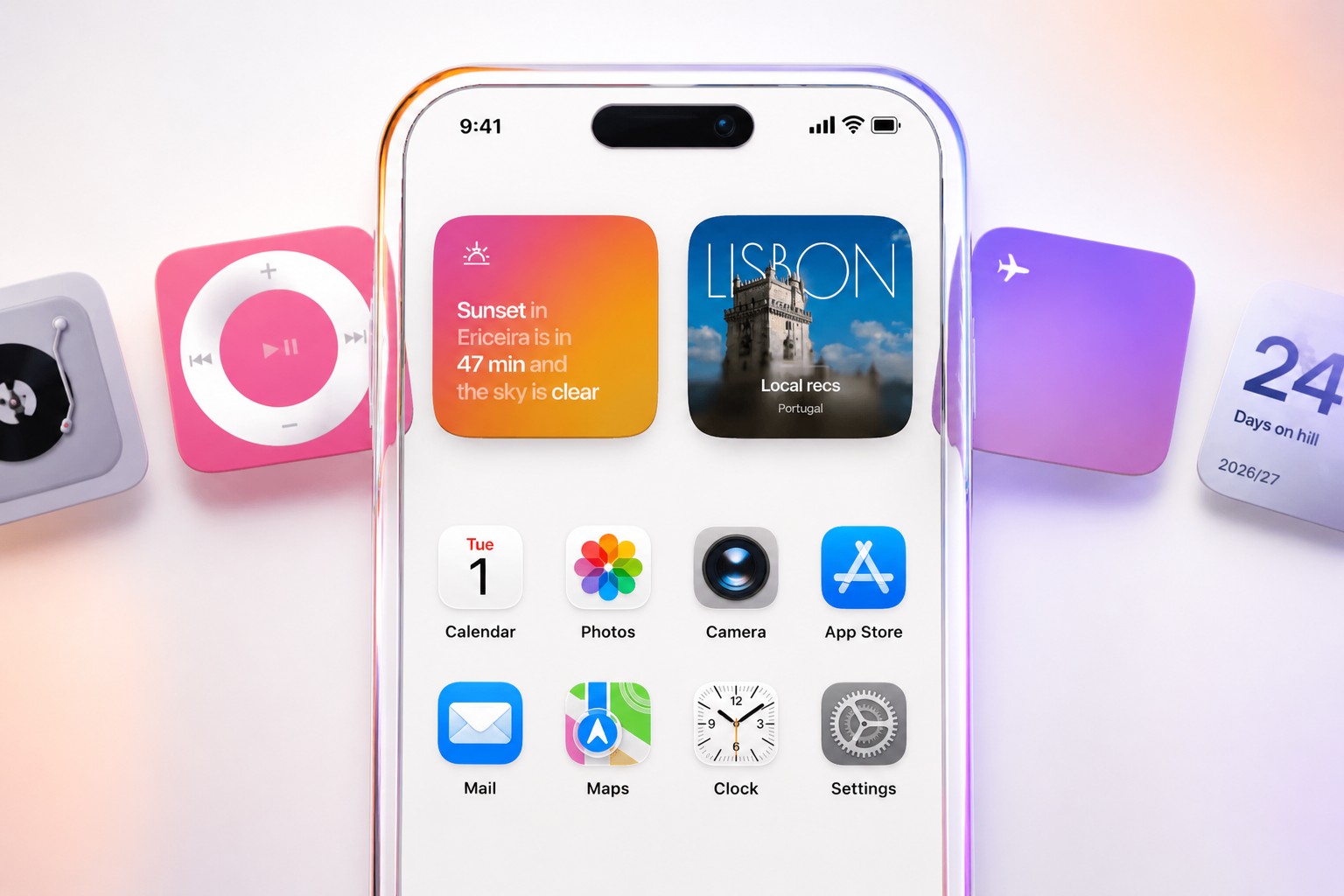
Eugenia Kuyda’s new company, Wabi, is bringing a 12-year-old idea into a market that can now build it: a personal AI assistant that lives across multiple conversations, with apps tailored to each one. Available to everyone since Monday, Wabi lets people organize agents around separate tasks and long-term goals, then use those threads together. The shift matters because the product is not just another assistant that handles a person’s inbox or travel plans; it is designed to help people coordinate with one another.
IO, the first product from Kuyda’s startup Luka, came before the deep-learning breakthroughs behind today’s large language models. Kuyda said it worked and felt almost magical, though it could not match current technology.
Luka later became Replika, the AI companion chatbot. Kuyda left her role as Replika CEO last year and founded Wabi. She has said that technology has finally caught up with Luka’s original ambition.
The launch also marks a change from Wabi’s first public framing. When TechCrunch covered the project last year, Wabi was presented as a social platform for making and sharing prompt-built mini-apps. The company also announced a $20 million pre-seed round.
Kuyda posted a video of Luka’s 2015 launch, saying the team was already building personal agents before Luka changed direction and became Replika.
Apps organized around people
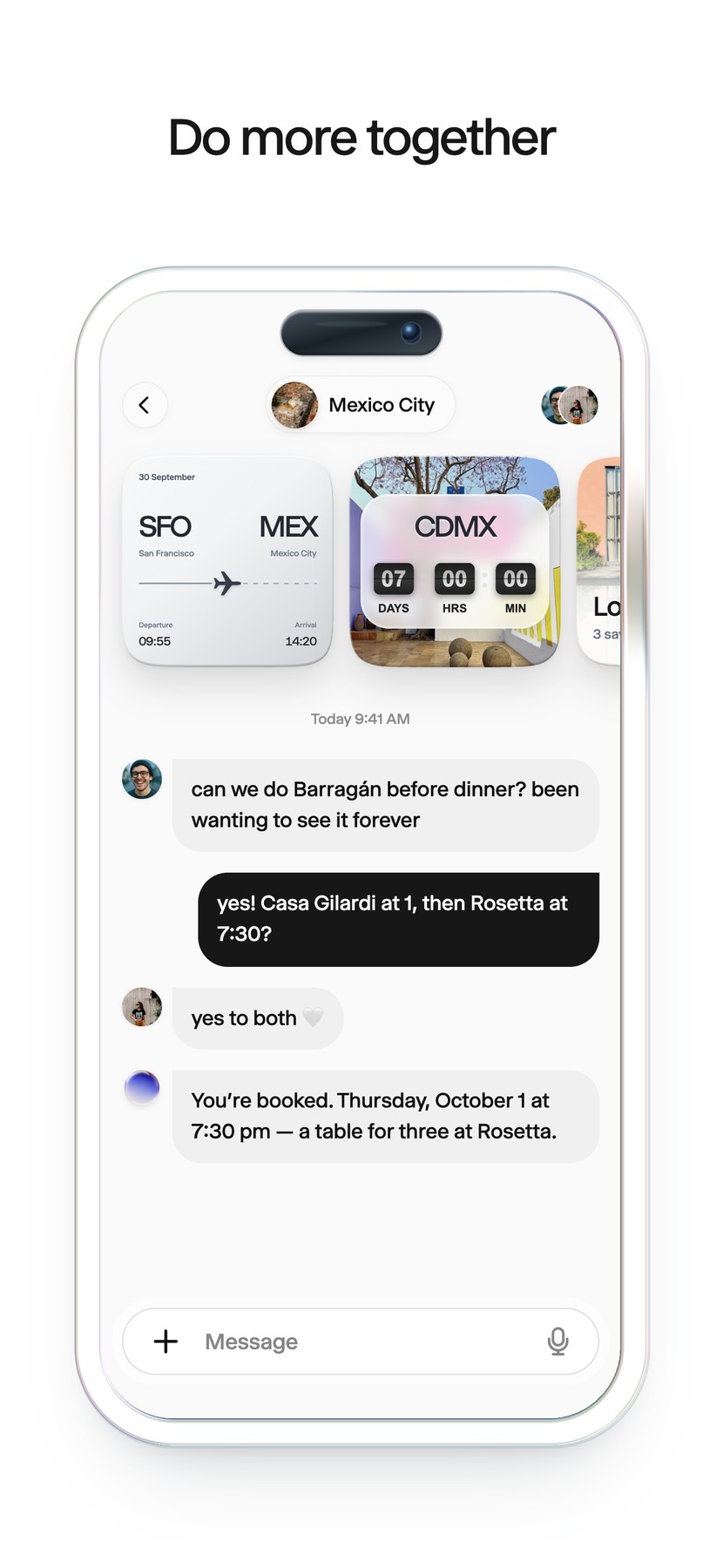
Wabi is a messaging app where users can keep several threads for different tasks and longer-term goals. Each thread can have its own apps: a weight-loss tracker in a health chat, for example, or a nearby children’s activities app in a family chat.
Over the past year, Wabi’s team concluded that people like personalized software more than one-size-fits-all App Store products—but may not want to build that software themselves. In Wabi 2.0, the agent chooses apps. When a user connects email, the system automatically creates several threads and apps; users can also ask it to make new apps or open more threads.
Kuyda says Wabi does what Instinct and Muse do, but adds apps to help users get more done. She also sees multiple threads as a way to avoid the single, ever-growing conversation she says can make other assistants harder to use. Researchers told TechCrunch that longer chatbot conversations can make it more likely the system will invent facts, lose context or answer in ways safety rules would not allow.
Threads can also become group chats. Kuyda argues that most agent products are built around one person talking to AI, leaving the shared-use problem unresolved. In a chat with her partner, for instance, an app panel brings together:
A family thread includes an app with Kuyda’s daughter’s schedule, nearby children’s activities and a Japanese-language quiz for the girl.
Sharing data is the harder test
People choose what information to share in a group chat, including data from email, calendars or bank accounts. Kuyda said her partner could ask whether she was free next Thursday or whether she had bought tickets. Access is limited to that specific chat, and everyone in it can see when someone requests another person’s private information.
Wabi is SOC 2 compliant, following an independent audit of its data-protection controls. The service runs entirely in the cloud; Kuyda said most user data is stored in the US.
Kuyda connects Wabi to the goal behind Replika: helping people feel less lonely. She says AI could bring people closer by helping them spend time together, whether that means going to a concert or choosing their next book.
I think the product’s most important claim is not that agents can create apps, but that those apps can make shared decisions easier. That also makes consent and access central to the product, not secondary settings. Wabi is free for now, has not settled on a business model and is in talks to raise more money. The open question is whether people will trust an assistant with personal data when its output is visible to a group.
Daily AI news
Every day we pick what actually matters in AI and explain it plainly — no hype, no filler. Subscribe if you want to follow where the industry is going.
Only what matters — every day
Follow on X