
What the trial counted
The system was used three times at the Perth Royal Show, scanning 223,749 faces. It generated 15 alerts, led to three arrests and prompted seven contacts with people on the sex offender register.
Across the full trial, police confirmed nine false alerts. Commissioner Col Blanch said officers spoke with everyone wrongly flagged, questioned them, and arrested no one. Nobody complained, he said. Blanch acknowledged that the technology was imperfect and that authorities knew this before the trial began.
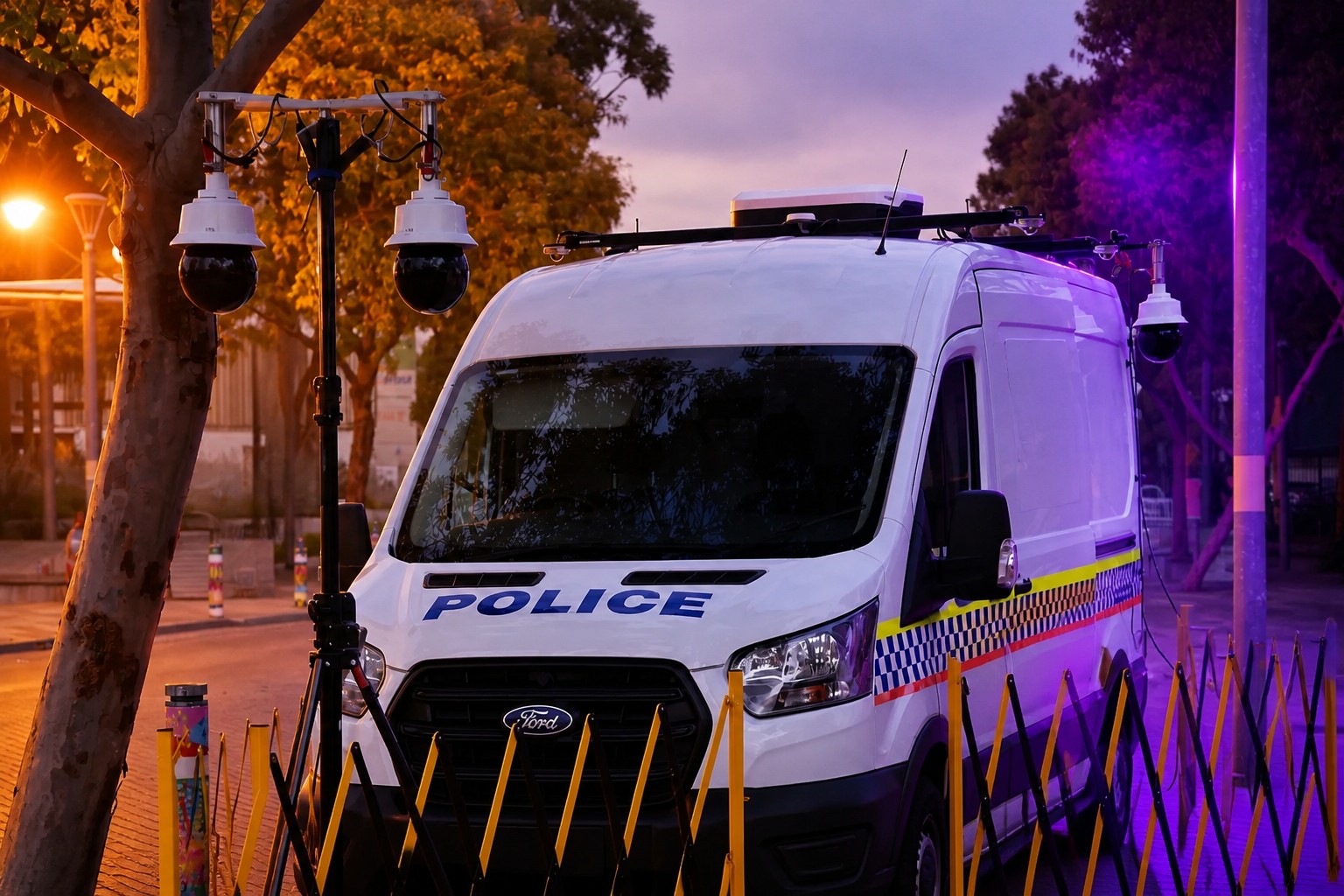
The trial rules allowed cameras in or beside marked police vehicles to scan faces in designated public places and compare them against an alert list drawn from police databases. Police said images of people not on the list were pixelated in real time and immediately deleted.
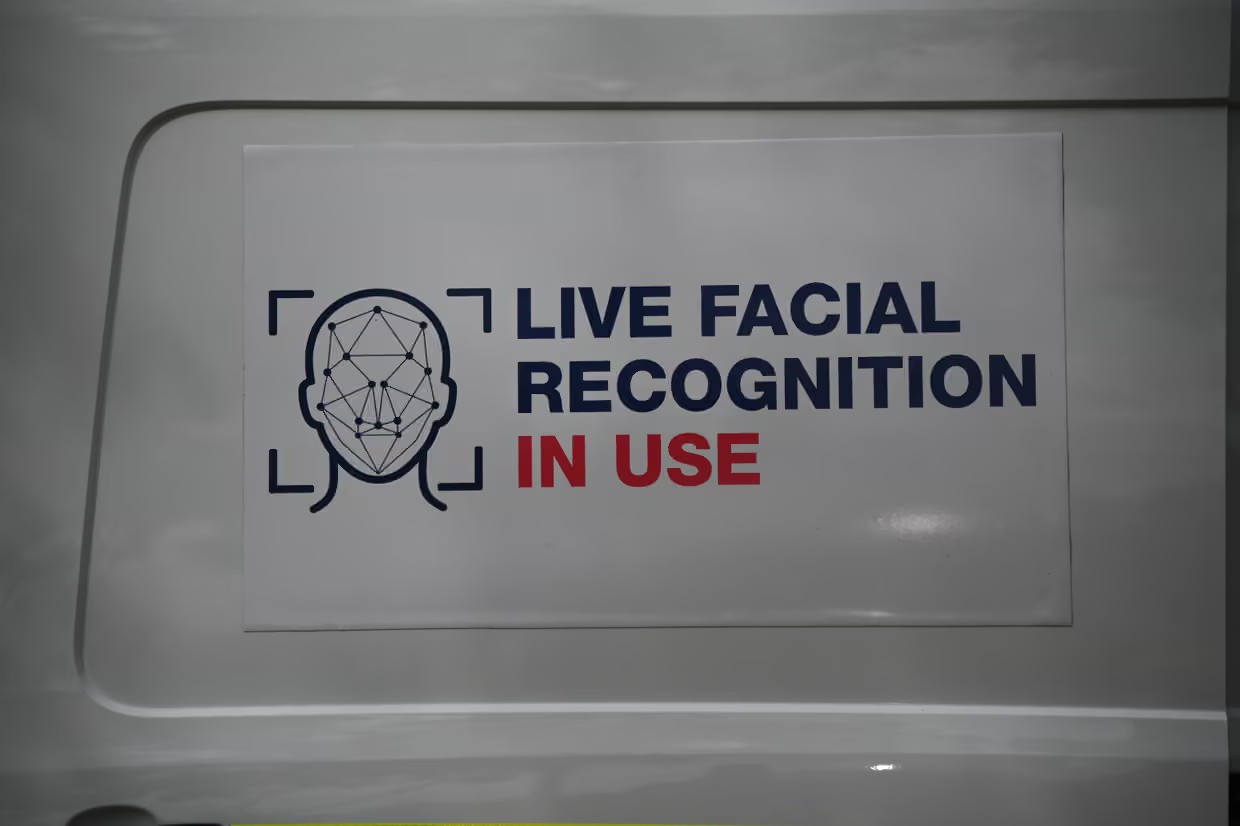
The police surveillance vans have now been removed from public deployment while the trial is evaluated. Photograph: Aaron Bunch/AAP
Source: theguardian.com
The denominator is disputed
Civil Liberties Australia executive director Bill Rowlings said the police were “greatly embellishing” the results by presenting a false-alert rate of 0.00065%. He argued that the calculation should account for whether the people arrested are ultimately convicted.
Rowlings said the true error rate could be assessed once all 122 arrested people had appeared in court. If half were not convicted, he said, the rate of false results would be 50%. He also said police had conducted nearly 1.4 million scans without reasonable suspicion.
The state privacy regulator, the Office of the Information Commissioner of Western Australia, said when the trial was announced that it had not been involved. It warned of “collective privacy harm.” The OIC WA was asked to comment.
The trial had also drawn criticism over privacy and algorithmic bias. Experts warned that the system could affect marginalised groups disproportionately, since they are already overrepresented on police watchlists; facial-recognition algorithms have also historically made more errors with people with darker skin.
What the headline leaves out
I think the central weakness in the police case is the gap between an alert rate and a measure of whether the system identifies the right people. Nine false alerts among 1.38 million scans describes one part of the trial; it does not settle the question Rowlings raises about the 122 arrests.
Blanch said the trial was about using modern technology responsibly to find people who pose a danger while allowing most residents to go about their lives without consequence. The police vans are no longer operating in public places while the department assesses the technology’s performance and its impact on local communities. It will also review safeguards and check whether all requirements were met.
That review now has to answer more than whether the alerts were handled properly. The trial’s own headline number depends on what happened after an alert—and the police have not yet supplied that outcome.
Daily AI news
Every day we pick what actually matters in AI and explain it plainly — no hype, no filler. Subscribe if you want to follow where the industry is going.
Only what matters — every day
Follow on X