
A belief without a deity
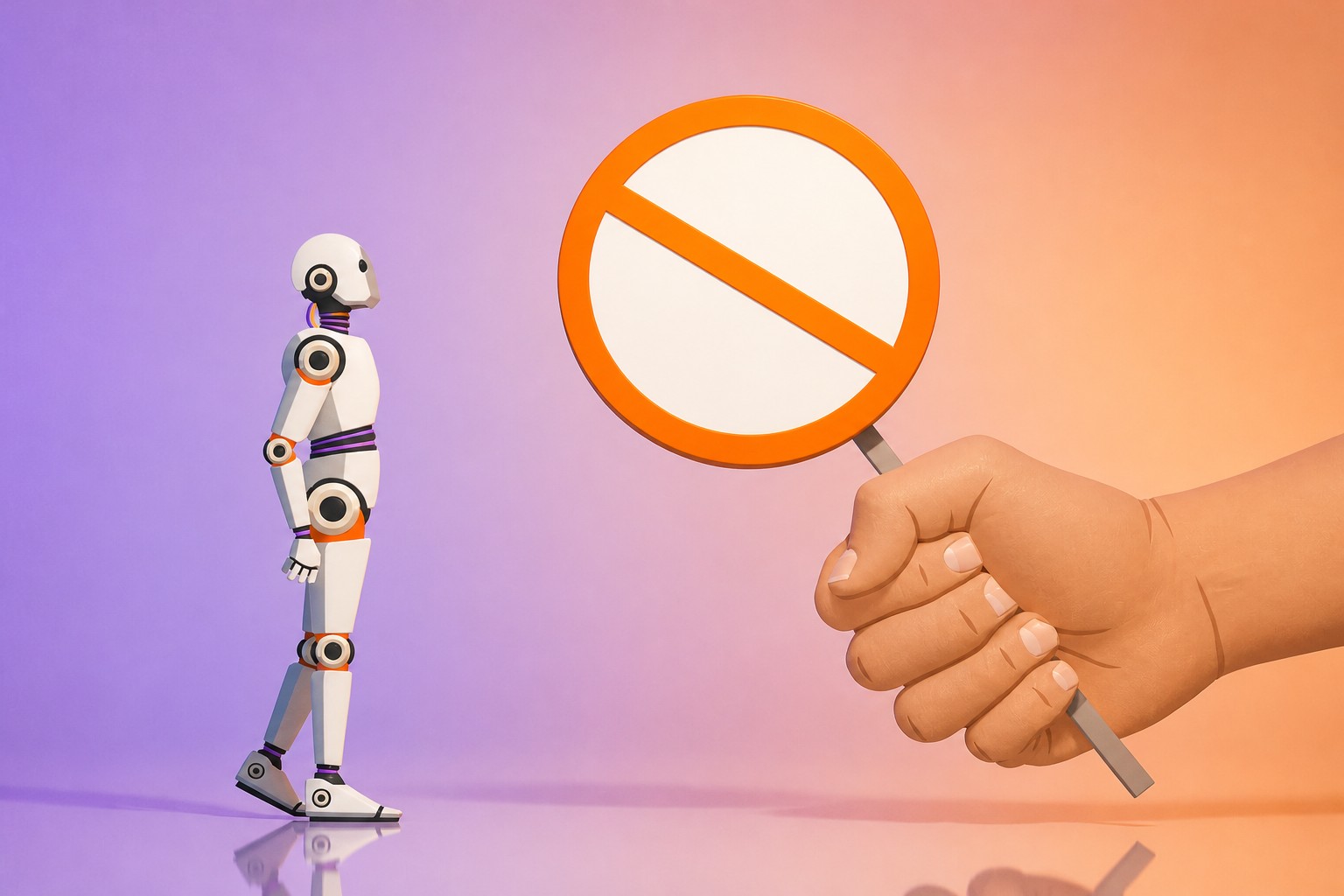
Darman, an administrator who helps researchers apply for grants, says using AI conflicts with his humanist beliefs. He argues that people become moral agents by exercising their own minds, and that relying too heavily on AI could weaken critical thinking and the ability to make moral decisions.
Earlier this week, Darman wrote in a statement from the American Humanist Association (AHA) that AI threatens people’s livelihoods, harms the environment and appropriates human creativity. He believes those effects endanger art and literature, parts of culture that help society develop.
Humanism is not opposed to religion. It offers a secular basis for ethical and scientific beliefs, and can appeal to people who question the existence of God or other supernatural forces.
AHA staff attorney Alexandra Huyckens told TechCrunch that concern about AI and human dignity spans religious and nonreligious traditions. “We want humanists and nontheists to know they also fall within these categories and are protected by law in the workplace,” she said.
An accommodation, not a general exemption
The University of Kentucky considers requests for religious accommodations individually, spokesperson Jay Blanton told TechCrunch. The university weighed Darman’s job duties and the circumstances of his request, and concluded it could grant the accommodation without preventing him from doing his essential work.
The university may revisit the arrangement if the technology or Darman’s duties change, Blanton said, to check that the accommodation remains reasonable and workable.
Darman was the first humanist to receive a workplace accommodation allowing him to refuse AI use, and one of the first people to speak publicly about seeking that protection. He got the idea from Erin Maus, a software engineer and Unitarian Universalist who obtained a similar accommodation.
The two cases differ in a consequential way. Software engineers like Maus are increasingly expected to write code with AI assistance. Darman was not required to use AI in his administrative role, though some colleagues and managers, as in many fields, encouraged staff to try the tools. He sought an accommodation in case encouragement became a requirement.
The boundary the case leaves open
I think the important point is not that every objection to AI now qualifies for an accommodation. The university approved this request because it could do so without disrupting Darman’s essential duties. That makes the outcome specific to his job, not a blanket right to reject workplace technology.
What remains unclear is how an employer should assess a similar belief when AI becomes central to the work itself. Darman hopes others with comparable concerns will look for a way to stand up for their views, whether or not they seek a religious exemption. The harder test will come when the accommodation and the job can no longer be separated.
Daily AI news
Every day we pick what actually matters in AI and explain it plainly — no hype, no filler. Subscribe if you want to follow where the industry is going.
Only what matters — every day
Follow on X