

The book and the allegation
Aurelien’s novel, It Was That or Die, follows a history and geography teacher fleeing gang violence in Haiti. The first-person narrator travels through 12 countries before finding refuge in Canada.
Published in France by Grasset in August, the book has sold about 35,000 copies, won the Fnac prize for best novel and had its translation rights acquired in more than 20 countries.
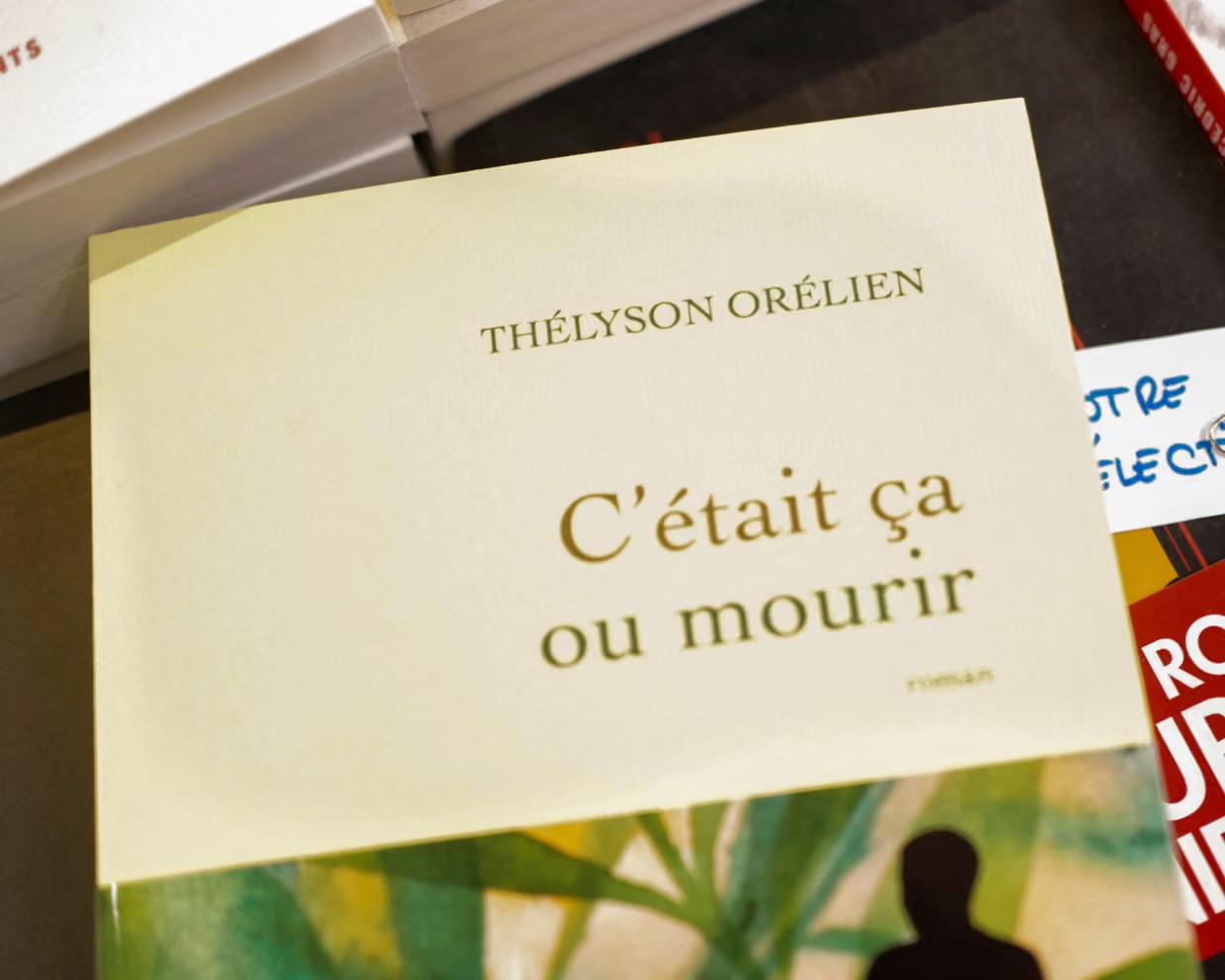
The novel on display inside a bookstore in Paris. Photograph: Sarah Meyssonnier/Reuters
Source: theguardian.com
The AI allegations began on X on September 21, the day the novel won the Fnac prize. An anonymous account called Balance ton Claude said it had run the book through Pangram, an AI-text detector, and claimed the result showed it was “almost entirely” generated by AI.
French media outlets tested the novel with other detectors, which rated it as very likely to have been written by a human. The accuracy of Pangram was also questioned.
Aurelien, 38, denied using AI and said he believed the accusation was racially motivated. He told Libération that the language drew on expressions and rhythms familiar in Haiti and the Caribbean, describing its imagery, repetition and cadence as a living language that belonged to him.
The account’s author was later identified by Le Figaro as its own columnist Samuel Fitoussi. Fitoussi said he had started the campaign despite being optimistic about technology because he feared AI would lead to the disappearance of reading and writing.
Why the academy acted
On Wednesday, Académie Goncourt president Philippe Claudel urged caution about the allegations. But further plagiarism claims then appeared in French media. Libération reported that Aurelien had borrowed an award-winning short story printed in the preface to French journalist Louis Pauwels’s The Morning of the Magicians, first published in 1960.
In announcing the removal, the academy cited both the plagiarism allegation and converging results from checks by researchers and journalists it considered credible. It said those findings suggested the novel was probably created to a significant extent with AI. The academy also said it did not support or in any way endorse texts created with AI.
The novel’s first publisher, Canada’s Le Éditions du Boréal, told The Guardian it could neither confirm nor deny the allegations at this stage. The publisher urged caution, saying that without convincing, specific evidence it had no right to decide whether the book deserved to exist. It also condemned hateful messages and personal attacks against Aurelien.
Aurelien said he would no longer comment on the latest accusations. At a literary festival in Manosque on Thursday, he said the attacks targeted not only the book but his voice and an effort to silence him. He said he would step back and wait for the situation to calm down.
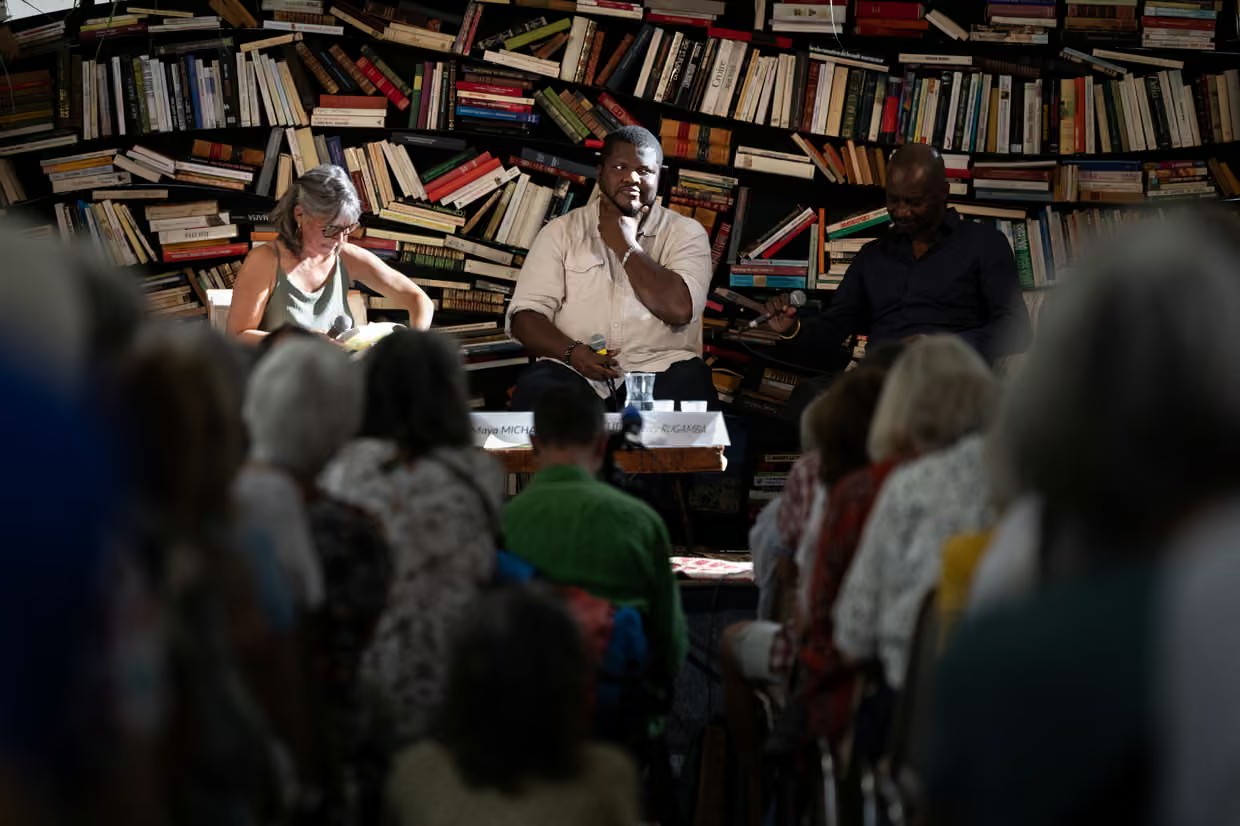
Orélien at Les Correspondances literature festival in Manosque this week. Photograph: Joel Saget/AFP/Getty Images
Source: theguardian.com
My concern is that the academy’s explanation puts two different claims side by side—plagiarism and AI use—without making clear what evidence establishes either one. Detector results are disputed, and the publisher says it cannot verify the allegations. The decision may protect the prize’s standards, but it also makes the quality and transparency of the evidence central to those standards.
Académie Goncourt will publish its shortlist on October 6 and announce the winner on November 4. Its next choice will come after this dispute has made the process itself part of the story.
Daily AI news
Every day we pick what actually matters in AI and explain it plainly — no hype, no filler. Subscribe if you want to follow where the industry is going.
Only what matters — every day
Follow on X