
From one dinner to a club
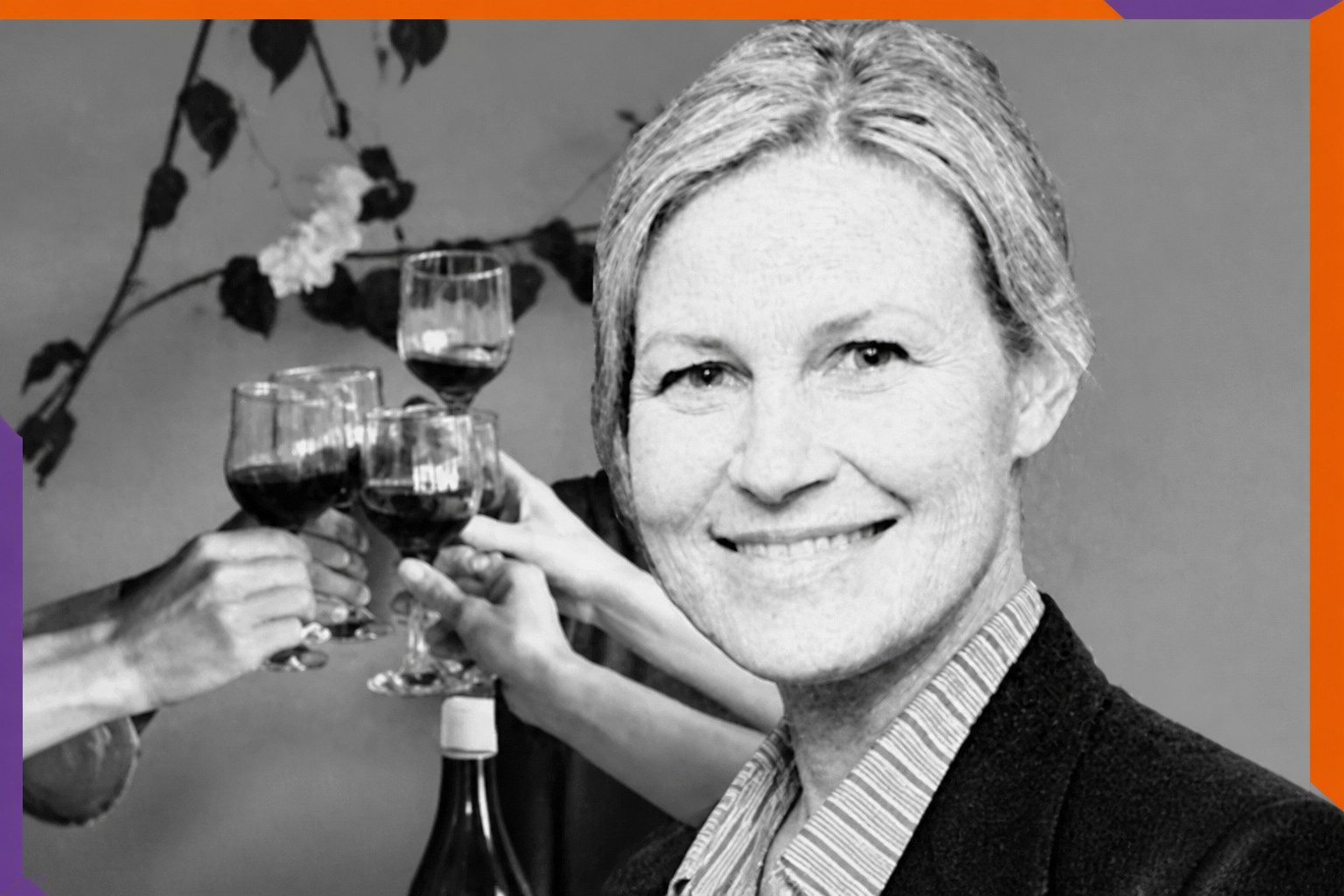
The idea took shape at a mutual friend’s birthday. Berger and Willdorf, both former magazine editors, were talking about Claude; Berger joked that it was her new French love. The other women at the table were not joining in. Berger saw a business in that gap: other women might need to try the tools, too.
The first dinner drew interest immediately. After The New York Times covered the second, hundreds of women asked to hear about future events. The club’s Substack newsletter, with tools and advice, passed 1,000 subscribers. Women outside the San Francisco Bay Area have also started holding their own Aged Intelligence gatherings.
The format is deliberately hands-on. Each guest brings a laptop and a personal “midlife problem.” For the first 15 minutes, participants work quietly while Berger and Willdorf help them choose a tool or model, refine a prompt and get a more useful answer. The founders call this “library time.”
Their rules also set a boundary around the discussion: the dinners are not for arguing that AI will destroy everything. Berger and Willdorf say they share fears about the technology, particularly for creative workers, but want guests to test it rather than stay outside the conversation. The evenings include good cheese and wine, too.
What the tools are being asked to do
One guest was trying to find out whether her mother, who had been diagnosed with Alzheimer’s disease, qualified for long-term care under her insurance. The insurer had sent a 300-page packet. She uploaded it to AI, which said her mother qualified and offered to draft a letter explaining the claim.
Berger has used Claude on her own work. When she was consulting, she sent the model a proposal she had priced too low and asked it to identify weaknesses. Claude said she was charging too little and suggested starting by doubling her rate. Berger did, and the client did not object.
The founders’ case for focusing on women over 40 is that experience can help people ask sharper questions and spot questionable answers. They argue that this makes the group well suited to using AI as an assistant, not just accepting its first response.
The question behind the dinners
I think the club’s most interesting proposition is not that AI can do more for women over 40 than for anyone else. It is that a welcoming group may help people build the habit of testing tools on ordinary, consequential tasks. The reported examples are useful, but they do not tell us how often the answers hold up, or how much follow-up work they require.
The announcement is quiet about those limits. A model’s reading of an insurance packet is not the same as the insurer approving care, and a client accepting a higher fee once does not establish a general rule. The club’s value may depend less on making AI look capable than on helping members learn when to verify it.
Berger and Willdorf say women have long done unpaid household work that was not treated as economically valuable, and that automation could return some of the hours it consumes. That is a compelling reason to experiment. It also makes the standard for success concrete: not whether the tools impress at dinner, but whether they reliably give participants time back.
Daily AI news
Every day we pick what actually matters in AI and explain it plainly — no hype, no filler. Subscribe if you want to follow where the industry is going.
Only what matters — every day
Follow on X