
The interface changed the terms
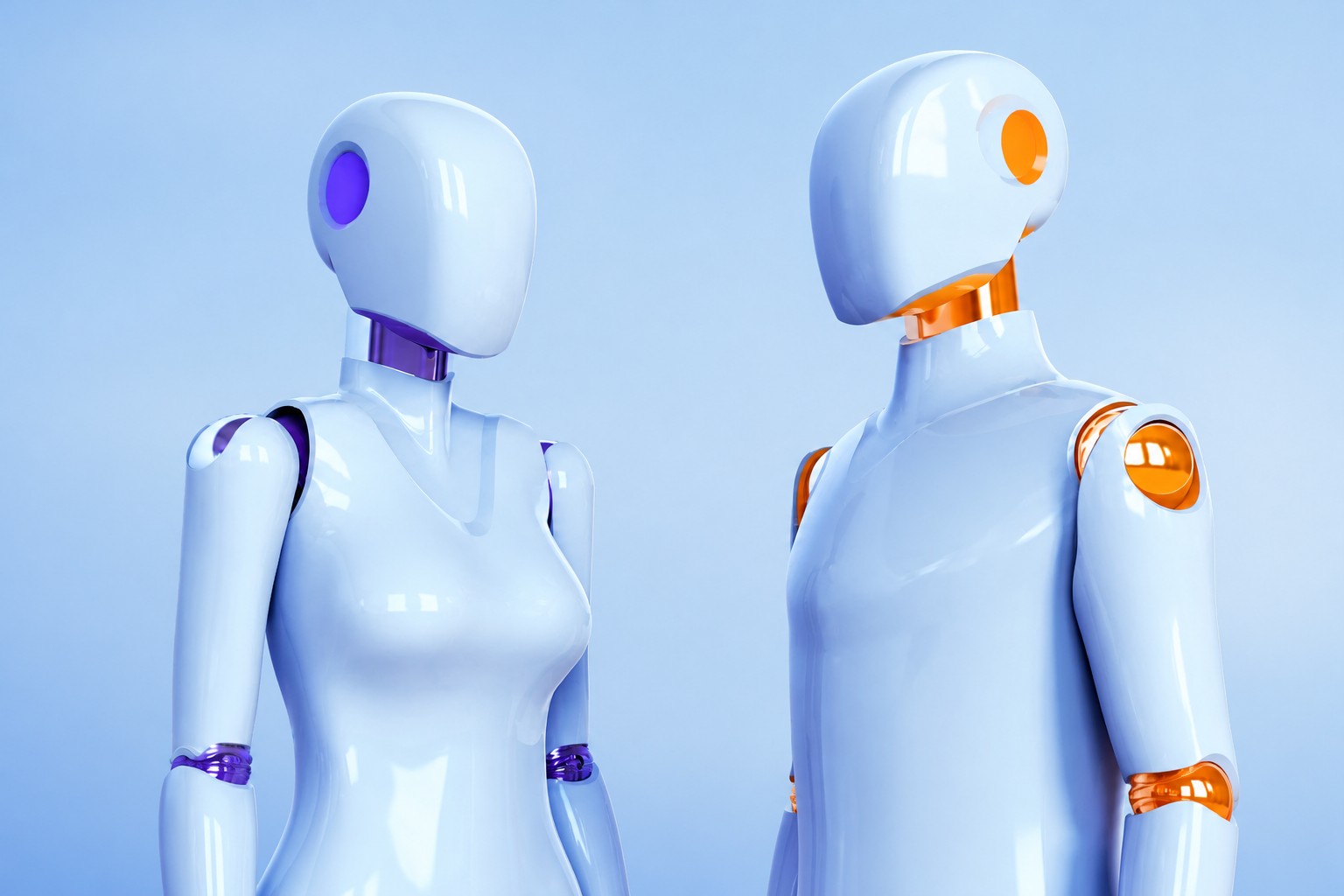
The researchers tested three ways of presenting AI in a virtual office:
Participants trusted humanlike assistants more than the chatbot or robot. They also gave them more money and rated their contribution to the work more highly.
Yet many participants said in interviews that they preferred assistants that did not look human and that an AI assistant’s gender did not matter to them. They also denied that humanlike appearance had influenced their behavior.
Co-author Mary Hausfeld, an associate professor at the Kemmy Business School at the University of Limerick, said the two agents were built on the same technology but treated differently. AI is often seen as neutral, she said, while a system’s design and presentation can bring out biases familiar from interactions between people. The researchers do not want inequality to be quietly reproduced in a new technological setting.
What people say, and what they pay
The gap between participants’ stated preferences and their choices is the striking part. They said gender did not matter, but Johann received substantially more than Johanna. The female-presenting assistant was also seen as less human than its male counterpart.
I think that makes the study’s point sharper than a simple preference test would: people may not recognize the influence of an interface even as it shapes their judgments. If AI agents are treated as colleagues, their appearance becomes part of how their contribution is assessed—not merely a design choice.
The announcement does not specify how large the pay gap was, or whether the effect holds beyond this experiment. Those details matter before drawing conclusions about workplaces more broadly. But the finding raises a practical question for anyone designing AI colleagues: if presentation can affect trust, perceived contribution and pay, who decides what those agents look like?
Daily AI news
Every day we pick what actually matters in AI and explain it plainly — no hype, no filler. Subscribe if you want to follow where the industry is going.
Only what matters — every day
Follow on X