
Source: theguardian.com
What the new tools can do
Alex Wiltschko, founder of Osmo, a company spun out of Google Brain, argues that reproducing the scent of threatened plants could benefit both nature and brands. Osmo has raised $130 million to develop AI that predicts and recreates smells.
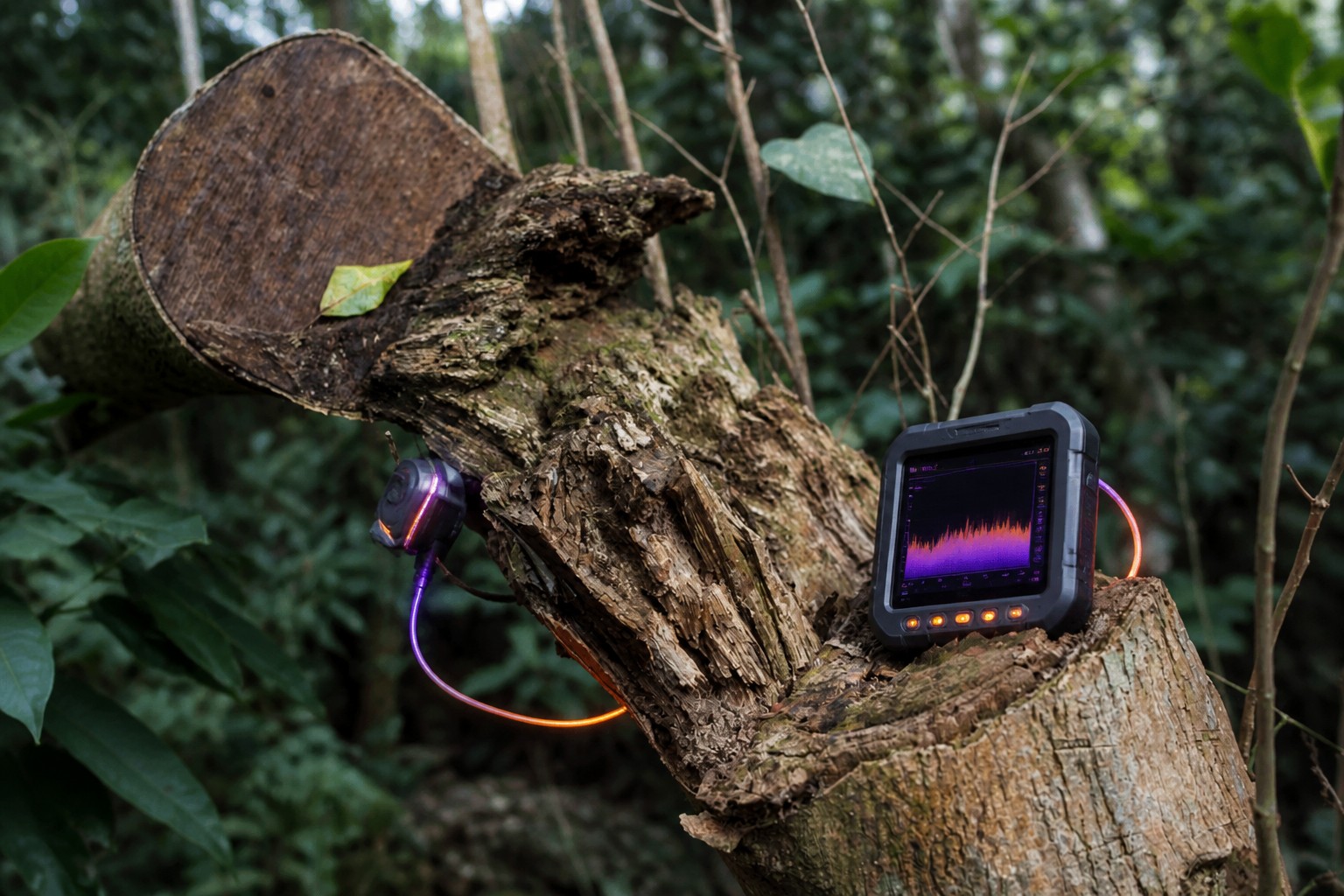
Wiltschko says the company reproduced the scent of a rare tree from a piece of bark about the size of a finger. A spectrometer analyzed the sample, AI reconstructed its chemical formula, and Osmo recreated the smell in its lab.
BioHarvest Sciences says it has created a stable cell culture from an endangered Southeast Asian plant used in perfumery. The culture can produce valuable compounds without growing or harvesting the original plant. The company has not named the species, citing commercial reasons, but announced an agreement to produce 20 tons of a fragrance composition. Limited production could begin next year.
The approach builds on a long history of synthetic fragrance ingredients. Wiltschko says the shift is what happens after a machine identifies the molecules in a scent: AI can now predict how people will respond to combinations of them. Osmo trained its system on more than 5 million human reactions to smells.
Other projects are using technology to expand the palette available to perfumers:
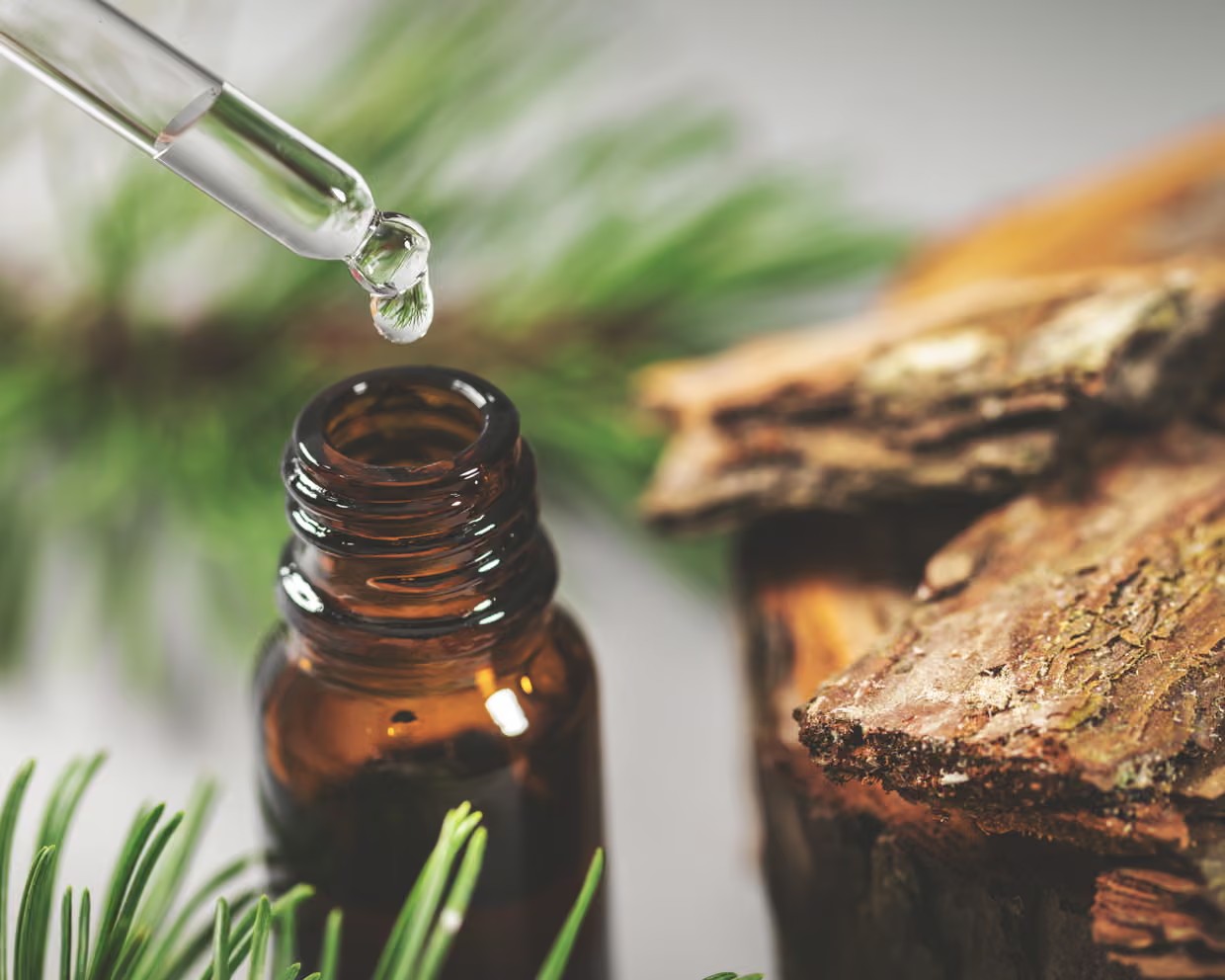
Osmo says it has trained its AI on more than 5m human responses to smells. Photograph: ronstik/Getty Images/iStockphoto
Source: theguardian.com
A substitute is not a conservation plan
The central claim is that making a rare plant’s scent without harvesting the plant could reduce pressure on wild populations. But conservationists and perfumers say the environmental case is ahead of the evidence.
Mandy Aftel, a natural perfumer, author and founder of the Aftel Archive of Curious Scents, called such claims greenwashing. A synthetic version of a threatened plant’s smell does not save the plant, she said: it does not stop people buying the original or address other causes of population decline.
Rhiannon Smith of the Royal Botanic Gardens, Kew, made a similar point about aquilaria. AI may help produce an oud substitute, but material from wild trees remains highly prized. Demand for the original, and pressure on wild plants, may persist.
BioHarvest CEO Zaki Rakib argues that biotechnology can narrow the gap between practically unlimited human demand and limited natural resources—not by replacing nature, but by using its gifts without continually pressuring the source. Wiltschko, however, acknowledged that conservation was not an explicit priority in Osmo’s work.
I think the unresolved issue is not whether these tools can make useful scent ingredients; the reported examples suggest they can. It is whether a substitute changes what buyers want, and whether companies can show that reduced harvesting follows. The technology can reproduce molecules, but that alone says little about what happens to the plants.
The limits of a formula
A flower’s scent may involve hundreds of molecules, and can vary with the part of the plant and the conditions in which it grows. For Agapakis, the result of her project was only a ghostly fragment of a lost aroma. She said it could not recreate the organism, soil, climate, season and ecosystem that shaped the smell.
That gap matters to perfumers who see a scent as more than a chemical recipe. AI can help recover or predict ingredients; it cannot, by itself, establish that a recreated fragrance carries the full complexity of the living source—or that making it will reduce demand for the source.
Daily AI news
Every day we pick what actually matters in AI and explain it plainly — no hype, no filler. Subscribe if you want to follow where the industry is going.
Only what matters — every day
Follow on X