
The copies are getting harder to spot
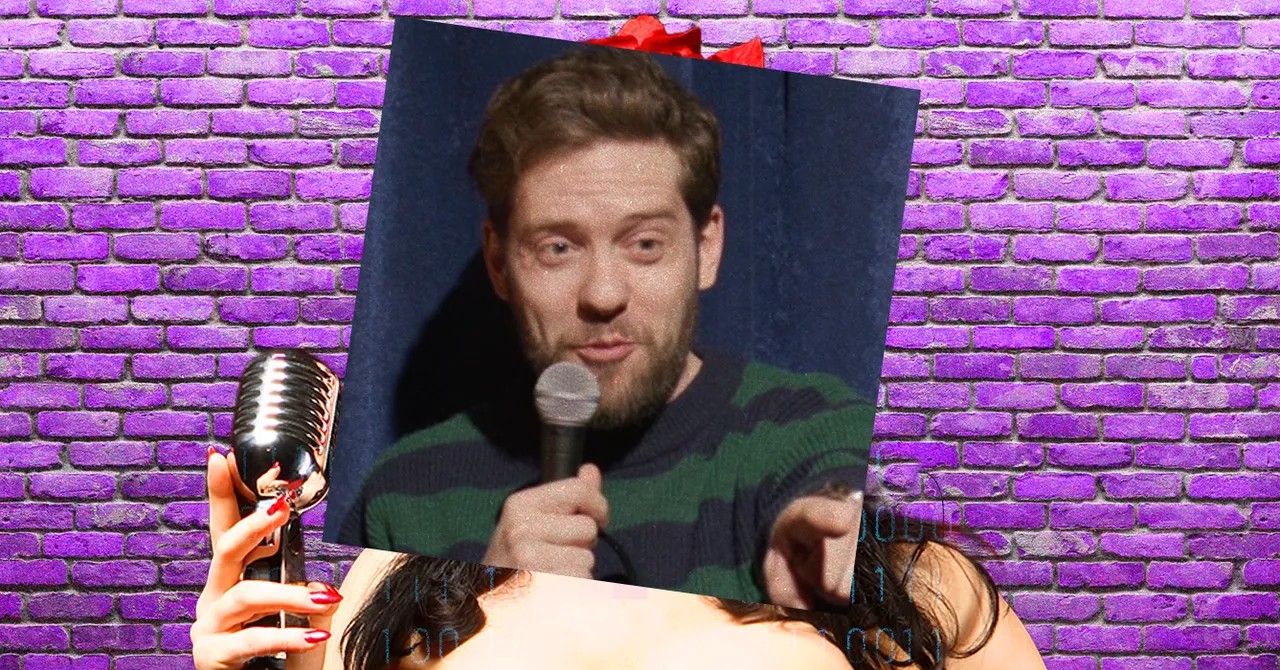
Jasunas first heard about the clip from another comedian, who messaged her on Instagram last week. The video featured Aylen Sky, a blonde influencer with 250,000 Instagram followers, telling a joke Jasunas recognized as her own — down to the “ums” and “uhs.”
Source: wired.com
Sky’s website redirected viewers to adult content on Fanvue, a subscription platform that competes with OnlyFans and calls itself “the No. 1 platform for creators to earn from AI.” Jasunas suspected Sky was AI-generated after reading the comments on her posts: unlike the abuse and insults commonly directed at women comedians, they were entirely positive.
Jasunas reported the video to Meta for impersonation. The company said it did not violate community guidelines: Sky was not pretending to be Jasunas, but presenting Jasunas’s joke as her own. Most of Sky’s posts are now labeled as AI-generated, but her account is not.
WIRED found eight comedians whose clips had been copied by AI-generated women, many of whose accounts follow one another. The videos reproduce already-viral performances, often with better lighting and sound and more revealing outfits. Some accounts also post flirtatious, AI-generated late-night-show-style interviews, sometimes with racist or transphobic jokes aimed at MAGA audiences.
The technology has improved in recent months. What once looked like clumsy AI “junk” can now be difficult to distinguish from real performers. One example is Tiffany Sloane, who describes herself as an actress in her Instagram bio and has more than 375,000 followers. She started her account in August and also posts on TikTok and Facebook. Writer Ryan Broderick called her output a “factory for AI-generated short-form adult video.”
Source: wired.com
On October 3, comedian George Brett Olson posted a viral video comparing his own routine with a nearly identical Sloane clip. Both performers wore similar salmon-colored shirts and khaki shorts against the same backdrop. Olson’s joke was about Republicans dismissing AI risks while raising alarms about illegal immigration; the main difference was that his version had profanity at the end.
Sloane deleted the video and many of her other Reels after Olson’s post drew support from comedians and viewers. But Meta’s response left Olson frustrated. Instagram head Adam Mosseri told him that banning AI-generated content was not practical. He said the platform wanted to direct more traffic to original creators and should look into what it could do if an AI creator copied other people’s work at scale. The accounts WIRED identified remain available.
The rules leave a gap
Instagram prohibits impersonation, but its rules do not cover copying someone else’s content in general, particularly when the material is not protected by copyright. AI-generated content is allowed if it is properly labeled. Some accounts are labeled, others are not, and labels do not always appear on every video.
That distinction leaves comedians with few ways to challenge the videos. Stand-up jokes are difficult to protect: the form is fleeting, and premises and punchlines often circulate in slightly altered versions. Lawsuits can also cost more than they are worth. University of Michigan law professor Aaron Perzanowski told NPR in 2017 that disputes over low-value creative works rarely lead to litigation. Olson said an intellectual-property lawyer gave him similar advice: unless Sloane is making millions of dollars on OnlyFans, threatening to sue would probably cause more trouble than it would solve.
The money and attention, meanwhile, do not have to go to the person who wrote the joke. Some AI clips reportedly receive more views than the original performances. Comedian Mandy Martino, whose joke Sky also used, says creators need protections before the problem grows; her concern is not only the stolen material, but Instagram’s failure to see it as a problem.
My read is that this is less a question about whether an AI performer can exist than about who gets to profit when the performer’s best material belongs to someone else. The platforms’ current distinction — impersonation is prohibited, copying may not be — gives the accounts room to keep operating while the comedians have little practical recourse.
That gap matters especially because a joke’s value is hard to measure in court, but easy to convert into views. For Sloane’s 350,000 followers, Olson thinks, the identity of the person who wrote the joke may not matter. The more AI copies look like ordinary creator accounts, the harder it will be to make the original author matter to anyone but the comedian.
Daily AI news
Every day we pick what actually matters in AI and explain it plainly — no hype, no filler. Subscribe if you want to follow where the industry is going.
Only what matters — every day
Follow on X