
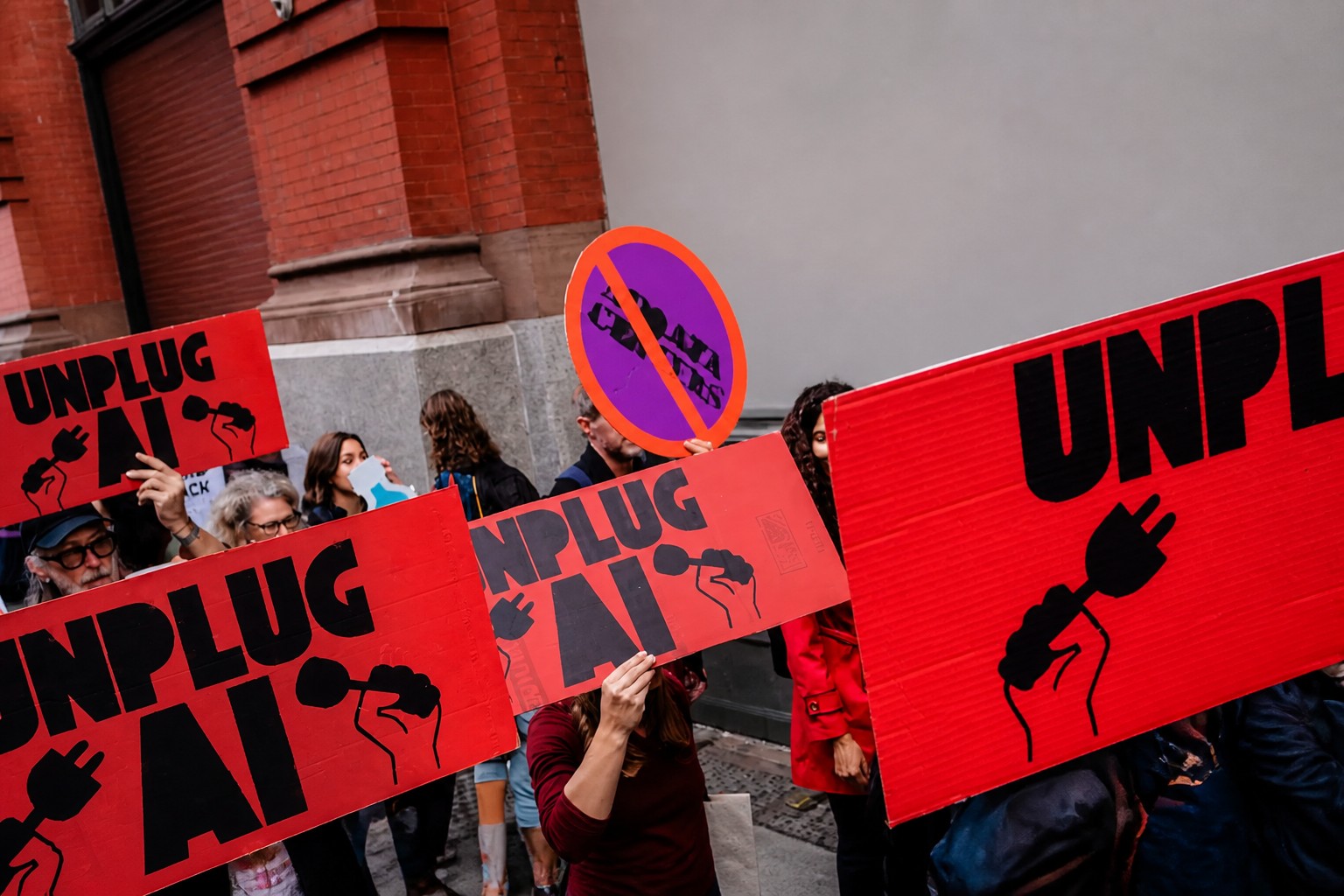
A familiar risk, with a sharper warning
The Global Risk Advisory Council says concern about AI misuse is not new for its audience. It has ranked among their leading worries since the first review in April 2025. What is new in this edition is the council’s call for executives to act “immediately and decisively to mitigate potential long-term brand damage” from AI.
Council chair Isabel Casillas Guzman said companies are adopting AI quickly to increase productivity while public trust in the technology is falling. Misuse, or excessive reliance on AI, can quickly damage relationships with customers, investors and other key stakeholders, she said, urging businesses to take preventive steps.
The index is published by Washington public-relations firm Global Situation Room, which also founded the council. Its authors say the survey draws on former heads of state, ministers and business leaders from more than 20 countries across five continents, invited after demonstrating experience in crisis management.
What sits behind the ranking
Respondents see AI as a way to significantly improve organizational efficiency. They also associate it with a wider set of risks:
After AI misuse, respondents ranked companies’ actions—or accusations—that they expose children to psychological, emotional or physical harm. Risks around breaches of sensitive personal information also scored highly.
The top five was rounded out by unethical or illegal conduct in pursuit of strategic advantage or profit, and poor strategic or operational decisions that damage a company’s finances or public standing.
In the previous edition, published in July, the leading reputational risks included supply-chain problems, polarizing political positions and other factors tied to the war that the Trump administration began in Iran alongside Israel. Respondents said concern about those issues had eased as the conflict dragged on, though it remained unresolved. The war began in February.
In a statement published with the index, Guzman wrote that the geopolitical shock had not disappeared, but its sharpest reputational impact had passed. The conflict had fallen out of the leading concerns despite continuing.
The question the index leaves open
Guzman’s statement came two days after the Trump administration appointed Director of National Intelligence Jay Clayton as its new AI czar. Clayton had previously told federal lawmakers that AI could be a game changer, but also posed a threat.
Donald Trump wrote on social media that Clayton would lead a body coordinating the federal government’s engagement with consumers, community organizations, religious groups, critical infrastructure providers and AI companies.
I think the timing makes the index’s warning more than a general argument for caution: AI is being adopted quickly, while trust is weakening and official oversight is being organized. But the announcement does not say which uses of AI pose the greatest reputational danger, or what concrete steps the council expects companies to take. Without that detail, “act now” is a clear signal, not yet a usable standard.
Daily AI news
Every day we pick what actually matters in AI and explain it plainly — no hype, no filler. Subscribe if you want to follow where the industry is going.
Only what matters — every day
Follow on X