

Where AI search helps
For a familiar question, such as the height of the Empire State Building, an AI search tool will usually do well. The answer is easy to find online, and language models are good at producing likely answers from widely available information.
The same convenience applies to quick reference questions. But as a subject gets less familiar, verification matters more. A chatbot might find only one or two pages mentioning the fifth actor in the credits of an obscure TV series—and select the wrong person.
A Stanford University study points to a useful distinction: when AI finds a precise source, it can extract the relevant information well. Errors are more likely when the model cannot find a reliable source, because no such page exists or because it misunderstood the query, yet answers anyway.
AI search can also help with requests that are too specific for a conventional Google search to handle neatly. Consider a family of five looking for the best restaurants in San Francisco, with a budget of no more than $200. An AI tool can compare several sources and produce a joined-up answer; a conventional search is more likely to return links ranked against simpler criteria.
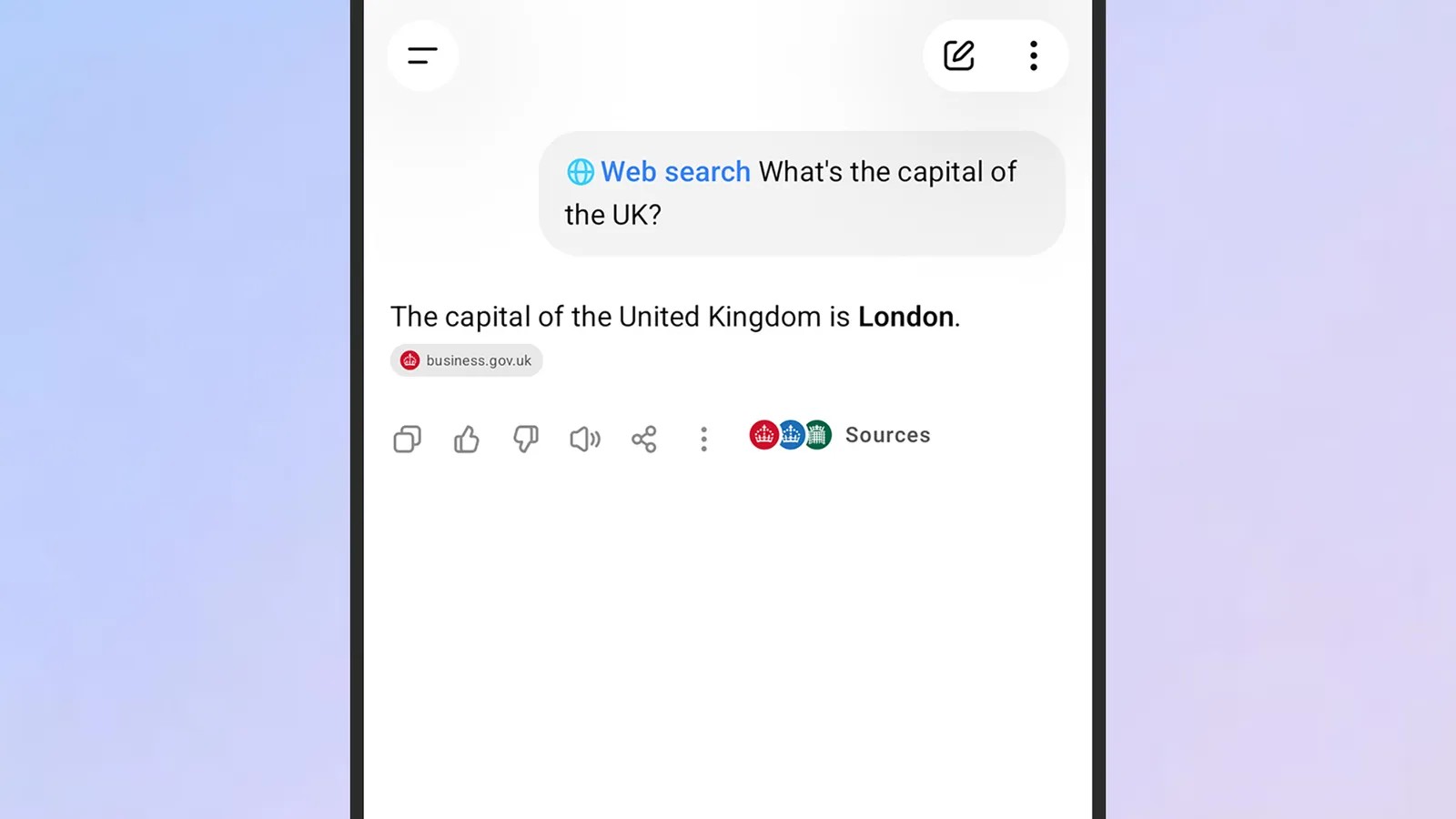
Source: wired.com
That answer still depends on other people’s reports. Chatbots have not visited San Francisco or tasted its food; they draw on reviews published by people who have. When there is no exact match, a model may connect nearby terms such as “affordable” and “family-friendly” and build an answer from them.
That makes AI search more useful when there is a large body of information to work with, as there is for San Francisco restaurants. For less popular places or narrow queries—such as star-shaped dining tables—the model has fewer clear connections to draw on, and its answer deserves closer scrutiny.
When to search for yourself
Generative AI is good at summarizing and combining information, but that process can introduce errors. For a precise quote, a figure from a report or a device specification, a conventional Google search may be the safer route.
It also gives you more control over which sources you use. With AI search, you rely on the model to understand the query, find the right pages and extract their contents accurately. That can save time, but it makes the process less transparent.
Researchers at the University of California, San Diego found that chatbots sometimes choose sources for how well they match a query rather than how authoritative they are. A personal blog could therefore rank above a professional medical site if the model judges the blog’s content a closer fit. In a conventional results list, you can make that choice yourself—and favor a source you trust.
For urgent news, ordinary search may also be preferable: the information used by AI can lag behind. The same caution applies to high-stakes questions about health, law or personal finances, where an error may be unacceptable.
If you do use AI for those questions, check the sources it cites. If something looks doubtful, ask where that specific information came from and verify that the model has not invented it.
I think the key distinction is not that one kind of search is reliable and the other is not. Google can surface bad information too. The difference is that a chatbot puts a summary between you and the underlying sources, making it harder to see what the answer rests on. When accuracy matters more than speed, that extra layer is a reason to search for yourself.
Daily AI news
Every day we pick what actually matters in AI and explain it plainly — no hype, no filler. Subscribe if you want to follow where the industry is going.
Only what matters — every day
Follow on X