
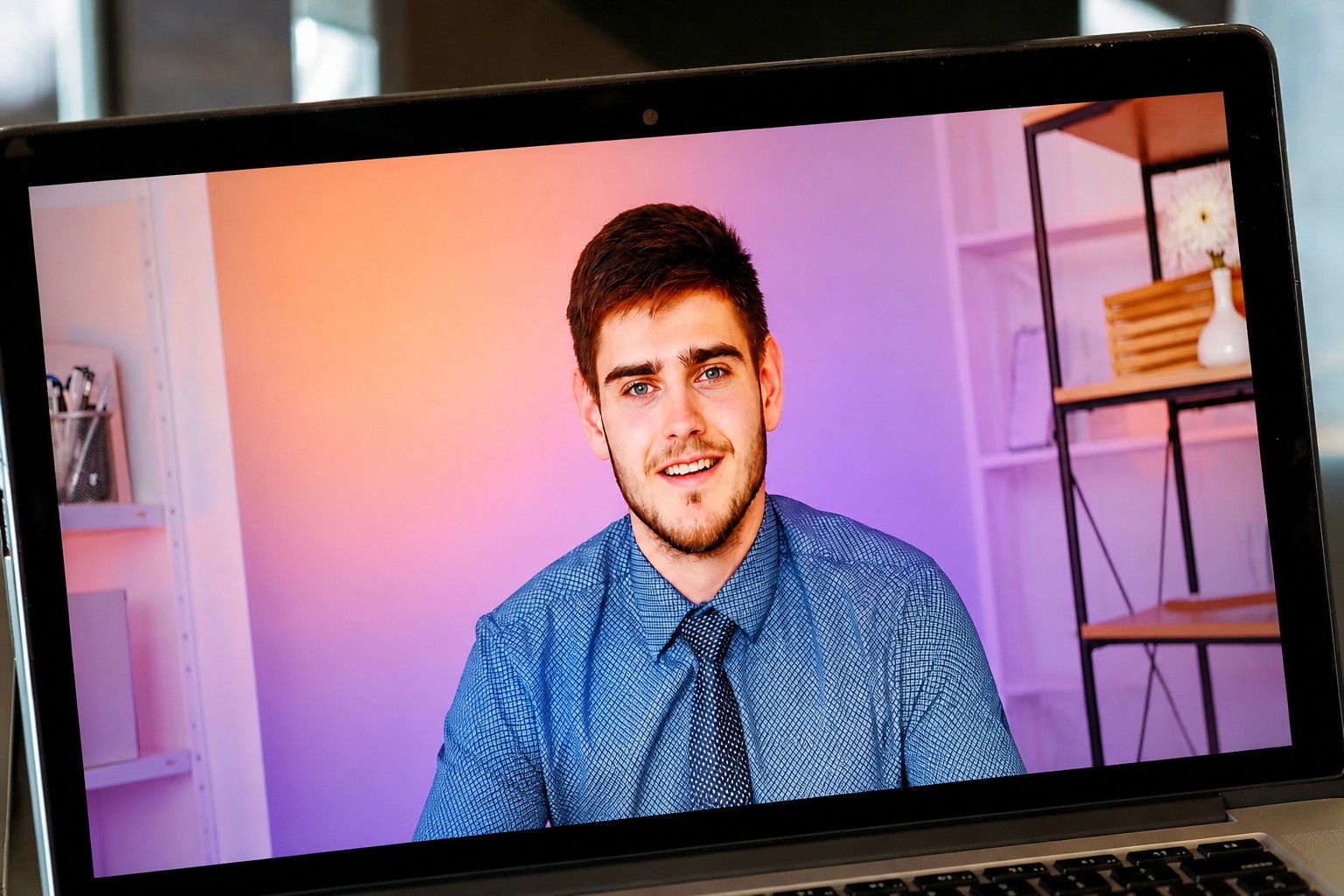
The interview is only part of the pattern
Chris Morrow, who runs the Manchester recruitment agency Digitalent and hires for AI companies, says some candidates use apps that listen to an interview and suggest answers in real time. He considers that cheating, and says candidates who receive that kind of help usually do not advance.
The Institute of Student Employers (ISE), which represents major UK employers that hire graduates, says reports of misconduct in graduate recruitment have reached a record level. In its annual survey, 92% of employers said they had encountered or suspected misconduct, up from 85% a year earlier and 78% the year before that.
Unauthorized AI use in interviews and online assessments topped the list:
The ISE has 290 employer members, including Marks & Spencer, Rolls-Royce and Accenture. It did not name the employers in its survey that had encountered AI-assisted interviews.
What recruiters say they notice
Morrow says candidates interviewing with Digitalent can give themselves away without meaning to. He describes pauses while someone waits for a chatbot to generate a response, followed by filler such as “Good question,” as well as language that sounds overly formal or unnatural.
ISE chief executive Stephen Isherwood warns that dishonesty can land a candidate in a job that is a poor fit. His advice is to research the company and understand the role before the interview—preparation interviewers expect, he says.
A recovering market, with uneven hiring
The ISE’s 2026 survey says AI’s immediate effect on the graduate job market remains limited. Graduate vacancies rose 4% in 2026 after hiring fell 8% the previous year. Employers expect vacancies to grow another 7% over the next 12 months.
That recovery is not shared evenly: 40% of surveyed employers cut graduate recruitment, 45% increased it and 15% kept it unchanged.
Isherwood attributes the cuts to economic conditions rather than AI adoption. He says AI may automate tasks and reduce demand for some workers, but that economic uncertainty and difficult business conditions explain the current hiring decisions. In his view, a substantial effect on graduate jobs may emerge in two to three years.
My read is that the interview reports describe a more immediate problem than that forecast: employers are already treating undisclosed AI assistance as a test of trust, while the survey does not say how often they can reliably detect it. The unanswered question is whether these signals distinguish cheating from ordinary hesitation—or simply reward candidates who know how to perform confidence on camera.
Daily AI news
Every day we pick what actually matters in AI and explain it plainly — no hype, no filler. Subscribe if you want to follow where the industry is going.
Only what matters — every day
Follow on X