A research partnership becomes a company bet
The companies began working together last year on inference optimization and training. Their relationship stayed public: Li spoke at AMD’s CES presentation early this year.
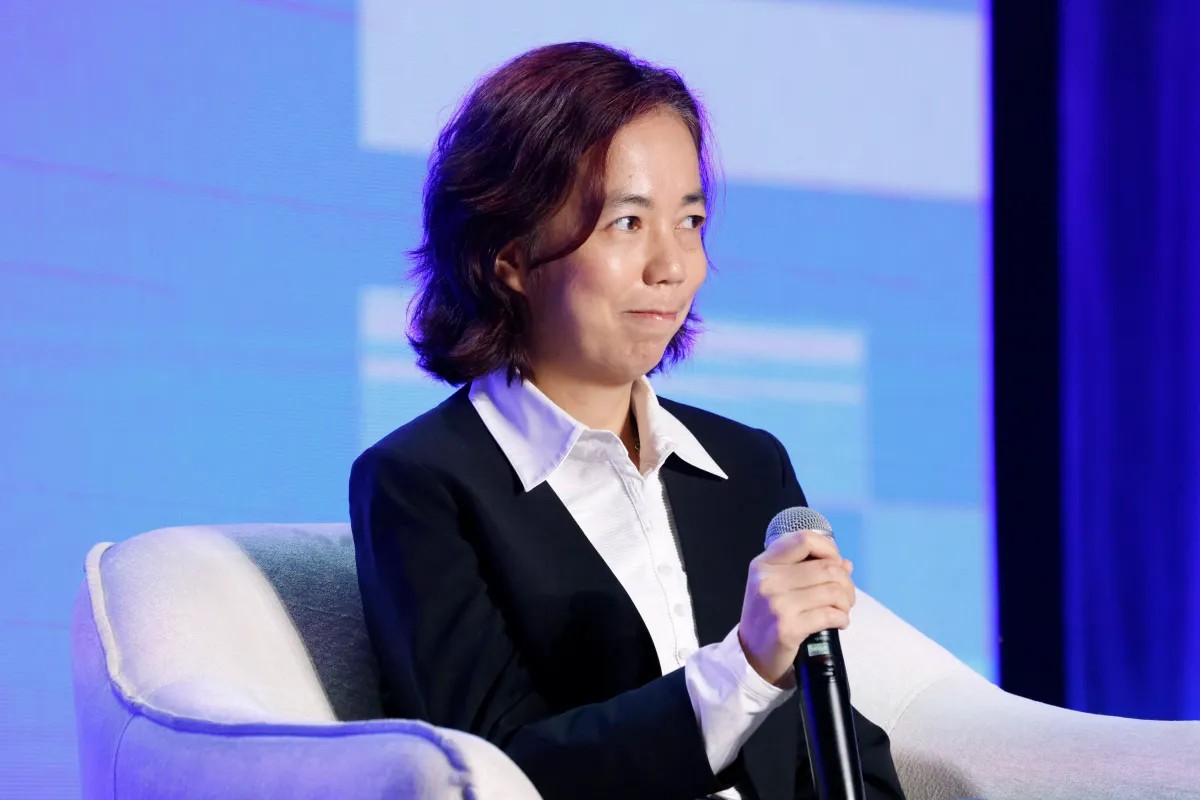
Li is a Stanford computer science professor and a pioneer in AI, particularly computer vision. She created ImageNet, the image database that inspired a series of AI competitions, and founded World Labs in 2024 to develop deep-learning models with a better grasp of the physical world. Her view is that general intelligence needs grounding in physics and the ability to understand and reason about data beyond text.
World Labs says progress in AI depends on close work across model research, systems and computing resources. AMD says understanding the demanding workloads World Labs tackles will shape its chip plans.
Li described the deal as a way to take World Labs’ technical achievements beyond the lab. She said the company has practical evidence of what is possible and wants to accelerate development, broaden its reach and work more closely with hardware.
“World models” are not one thing
The term remains loosely defined. It can refer to language models trained to understand visual data, or to models that create and maintain high-fidelity simulations of reality. World Labs’ first product, Marble, is positioned for building entertainment projects as well as simulated environments for robot training.
That range matters. World models are seen as a potential source of synthetic training data for robots, from self-driving cars to industrial machines and general-purpose humanoid robots. Useful real-world data for training broadly capable robots is scarce; simulated environments could help fill the gap for companies such as Tesla and Figure.
AMD has so far made public models that work with text and video. Nvidia, its longtime rival, already offers a line of open world models, including Cosmos. The acquisition could help AMD build an ecosystem around specialized AI chips, not just sell the hardware.
The hard part is proving the loop
I think the strategic logic is clear, but the announcement leaves the central question unanswered: how much of World Labs’ research can translate into workloads that make AMD’s chips more valuable? A model that generates convincing environments is not automatically a useful training system, and a useful system does not by itself create demand for one chip ecosystem.
The deal is expected to close by the end of the year, subject to regulatory approval. Until then, AMD’s wager is less about a settled definition of “world model” than about owning a closer connection between simulation research and the hardware built to run it.
Daily AI news
Every day we pick what actually matters in AI and explain it plainly — no hype, no filler. Subscribe if you want to follow where the industry is going.
Only what matters — every day
Follow on X