
What has shipped
World models are primarily intended to automate spatial intelligence. That gives them a wide range of possible applications, from robotics and interactive video to more advanced autonomous-driving systems.
World Labs’ Marble is probably the field’s most developed product. Its demonstrations include:
Marble is still easier to understand as a technology showcase than as a product with a defined commercial purpose. The demonstrations show what the system can do, but not which customer problem World Labs intends to own.
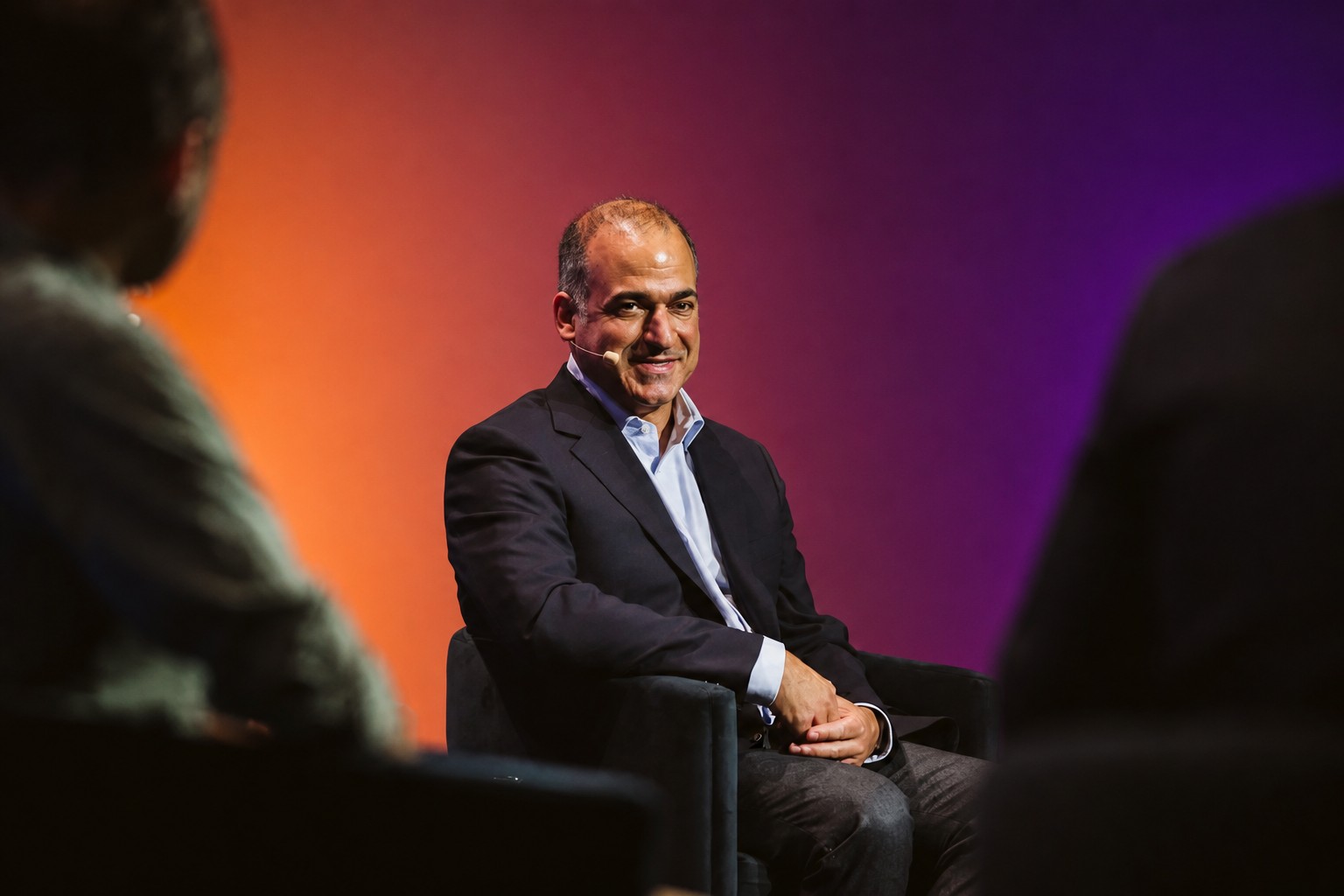
AMI Labs is even less specific. Michael Rabbat, the company’s co-founder and vice president of world models, joined my panel but declined to discuss particular projects. The company would talk about them when it was ready, he said. In later correspondence, Rabbat clarified that AMI Labs is still focused on research and product development, and therefore does not publicly discuss its plans or release schedules.
AMI Labs has existed for less than a year, so caution is understandable. The more interesting point is that the same opacity appears across the sector, including among the companies supplying its data.
Alex de Vigan, CEO of Physicl, told me that he knows his company’s data is being used in clients’ developments but does not know the specific tasks. If Physicl knew what those customers were building, he said, it could create more useful datasets.
One technology, too many markets
The ambiguity is partly built into the concept. The simplest world model might be a map of the surrounding environment, similar to the AI models used in autonomous cars.
The same capability that helps Waymo move through traffic could also:
AMI Labs has already tested work in manufacturing, biomedicine and robotics. Through a partnership with Nabia, it has also worked on AI-based software for physicians. The company will not pursue all of these directions at once, but it has not said which one or two are its priorities.
That is a familiar problem for a technology category that is both foundational and underspecified. A world model can be presented as infrastructure for many products, which makes the market look large before anyone knows which product will reach customers first.
Secrecy is a competitive advantage
My read is that this silence is not only a consequence of immature products. It is also rational business strategy.
Funding is relatively easy to attract, reducing pressure on developers to commit to one market. Early public disclosure can be costly. If AMI Labs announced tomorrow that it was building a humanoid OpenClaw or a next-generation rendering system for Hollywood, interest in world models would rise quickly. So would competition from other world-model developers, new labs, OpenAI and Anthropic.
The same funding environment that lets a company work quietly also gives potential rivals the resources to prepare once a route to market becomes visible. Competition is probably unavoidable; delaying it is still valuable.
What the announcements leave unanswered is not whether world models can support many applications. It is which application these companies believe can become a business first. Until that answer appears, the industry’s secrecy protects more than a technical breakthrough: it protects the option to change direction without admitting that the first direction failed.
Daily AI news
Every day we pick what actually matters in AI and explain it plainly — no hype, no filler. Subscribe if you want to follow where the industry is going.
Only what matters — every day
Follow on X