
The limit of agentic shopping
Johnson joined Apple in 2000, when online shopping was only beginning to gain momentum. He created a store network that became an important part of Apple’s sales and its relationship with customers.
In an interview, Johnson said AI would make online shopping better but was unlikely to change how people shop. His view comes as major technology companies push deeper into commerce:
Asked whether he could imagine someone allowing an AI agent to choose and buy a $1 000 or $2 000 laptop without visiting a website or store, Johnson gave an unequivocal answer: in his view, nobody would do it.
A laptop, he argues, is too personal to delegate completely. Buyers may want to feel its weight, inspect the screen and decide what size suits them. An agent can narrow the options, but many people will still want to meet the product before spending that much money.
AI cannot give shoppers that physical experience, Johnson believes. It can, however, send better-informed customers to stores.
The store was never just a checkout
Johnson’s confidence comes from the role he intended Apple’s stores to play more than 20 years ago. They were not built only to sell Macs. Customers could try products, learn how to use them and return for help when something went wrong.
He describes that work in his new book, Shop Different: How Retail Revealed Apple’s Genius, written about building Apple’s retail business with Steve Jobs.
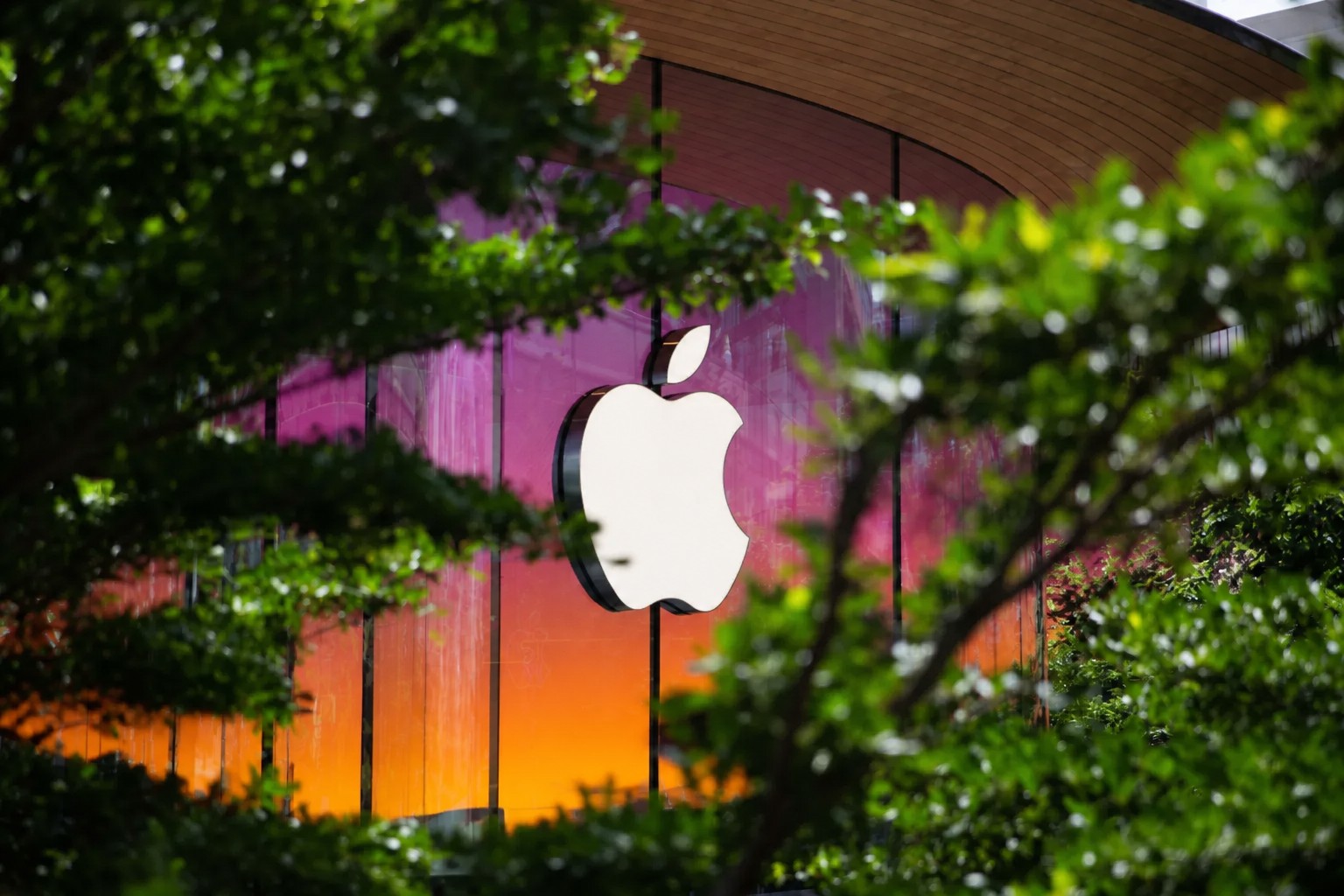
Johnson says competitors copied Apple’s glass fronts, open layouts and versions of the Genius Bar while missing the central element: the people.
The absence of commissions was deliberate. Johnson says it removed pressure to sell and gave employees more room to understand what customers actually needed. In his account, the store’s advantage was not its architecture but the judgment exercised inside it.
Johnson’s own retail warning
Johnson’s record also complicates his confidence. After leaving Apple in 2011, he became CEO of J.C. Penney and designed an ambitious transformation for the struggling department-store chain. He was fired in less than two years after sales fell sharply.
Johnson now says he tried to change too much, too quickly, without involving employees and customers. Apple’s stores had effectively been a startup that developed alongside the company’s products. J.C. Penney needed a different approach: improving an existing business rather than rebuilding it from scratch.
He describes the mistake as applying startup thinking to a company that needed a recovery.
Johnson later returned to the startup world by founding Enjoy Technology, an e-commerce company that delivered technology products and setup services to customers’ homes. In 2022, the startup filed for bankruptcy and then sold nearly all of its assets to Asurion.
The missing variable is judgment
Johnson is not an AI opponent. He calls himself a committed supporter and optimist, and believes Steve Jobs would have embraced the technology without treating it as a replacement for human judgment.
Johnson says there is no substitute for human intuition. He recalls that Jobs believed smart people should work together, discuss problems and search for new ways to see them.
I think that is the stronger part of Johnson’s argument. The question is not whether an agent can identify a laptop or complete a transaction; the announcement cycle already assumes it can. The quieter question is who takes responsibility when the purchase depends on taste, fit or confidence rather than a specification sheet.
That leaves AI shopping in an awkward position. Agents may make the path to a store shorter and better informed, while failing to eliminate the reason the store exists.
Daily AI news
Every day we pick what actually matters in AI and explain it plainly — no hype, no filler. Subscribe if you want to follow where the industry is going.
Only what matters — every day
Follow on X