
Monitoring reaches beyond the obvious
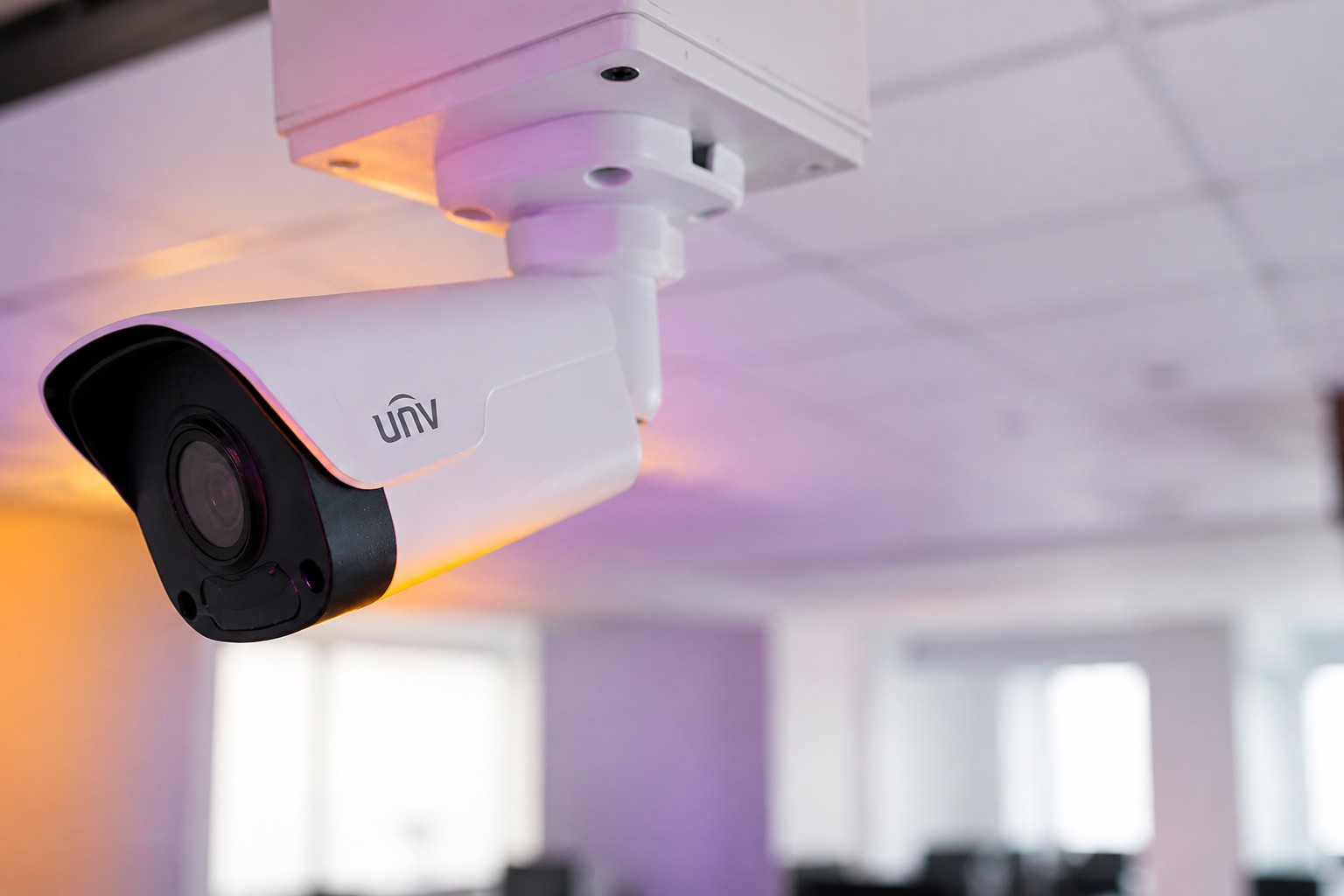
The report says workplace monitoring is becoming commonplace in factories, offices, delivery services and retail. Tools range from CCTV and access-card records to keystroke tracking and monitoring work messages.
Microsoft Teams is cited as a widely used platform for workplace surveillance. Earlier this year, Microsoft released a tool that automatically updates an employee’s location and shows them as being in the office when they connect to the workplace Wi-Fi network.
Researchers also heard that young employees at a large fast-food chain feared cameras had been installed in changing rooms to check whether workers were using their phones. They stopped using the rooms.
The supermarket cashier’s case shows how a small error rate can have significant consequences. The retail workers’ association told a parliamentary inquiry that an AI monitoring system flagged the cashier for making too many mistakes, leading to a final written warning. The reported rate was 0.18%—roughly one error per 533 scanned items.
What the report wants changed
The Human Technology Institute wants the federal government to add worker privacy protections to employment law. The report argues that exemptions for employee information in the Privacy Act, along with exemptions for small businesses, have helped workplace surveillance spread.
A Minderoo-commissioned survey conducted in March 2026 found that 43% of Australians knew some employers used technology, including AI, to monitor workers. Just 9% knew they were being monitored at their own workplace.
The institute’s co-director, Professor Edward Santow, said transparency was necessary but not enough. He proposed reviewing the Fair Work Act to require scrutiny of whether workplace monitoring is justified, with the law making clear that surveillance must be fair and reasonable.
The report also proposes giving the minister power to ban specific monitoring tools if they pose an “unacceptable risk” to workers’ rights. Its concerns include the federal government’s recent attention to smart glasses, which could be used for covert monitoring at work.
Other proposals include discussing planned monitoring with employees, making consent more informed, and allowing workers to complain about privacy breaches to the Fair Work Commission through a dedicated mechanism.
The gap between notice and protection
The Human Technology Institute will present its findings to the joint standing committee on artificial intelligence on Tuesday, the start of the inquiry’s third week of hearings. This week’s focus is AI in workplaces, with union representatives scheduled to appear alongside eSafety Commissioner Julie Inman Grant and representatives of the Commonwealth Scientific and Industrial Research Organisation, the Australian Securities and Investments Commission, the Australian Medical Association and Atlassian.
Labor senator and committee member Tony Sheldon said workplace surveillance was becoming more widespread and causing serious concern. He said the report raised important questions about its effects on privacy, health and dignity, particularly because many workers do not know they are being monitored.
I think the central weakness in the proposals is the distance between being told about surveillance and being able to challenge it. The report calls for better consent and a complaints route, but the cashier’s case points to a harder question: who decides when an AI system’s measure of performance is fair enough to affect someone’s job?
Daily AI news
Every day we pick what actually matters in AI and explain it plainly — no hype, no filler. Subscribe if you want to follow where the industry is going.
Only what matters — every day
Follow on X