
The work without its artist
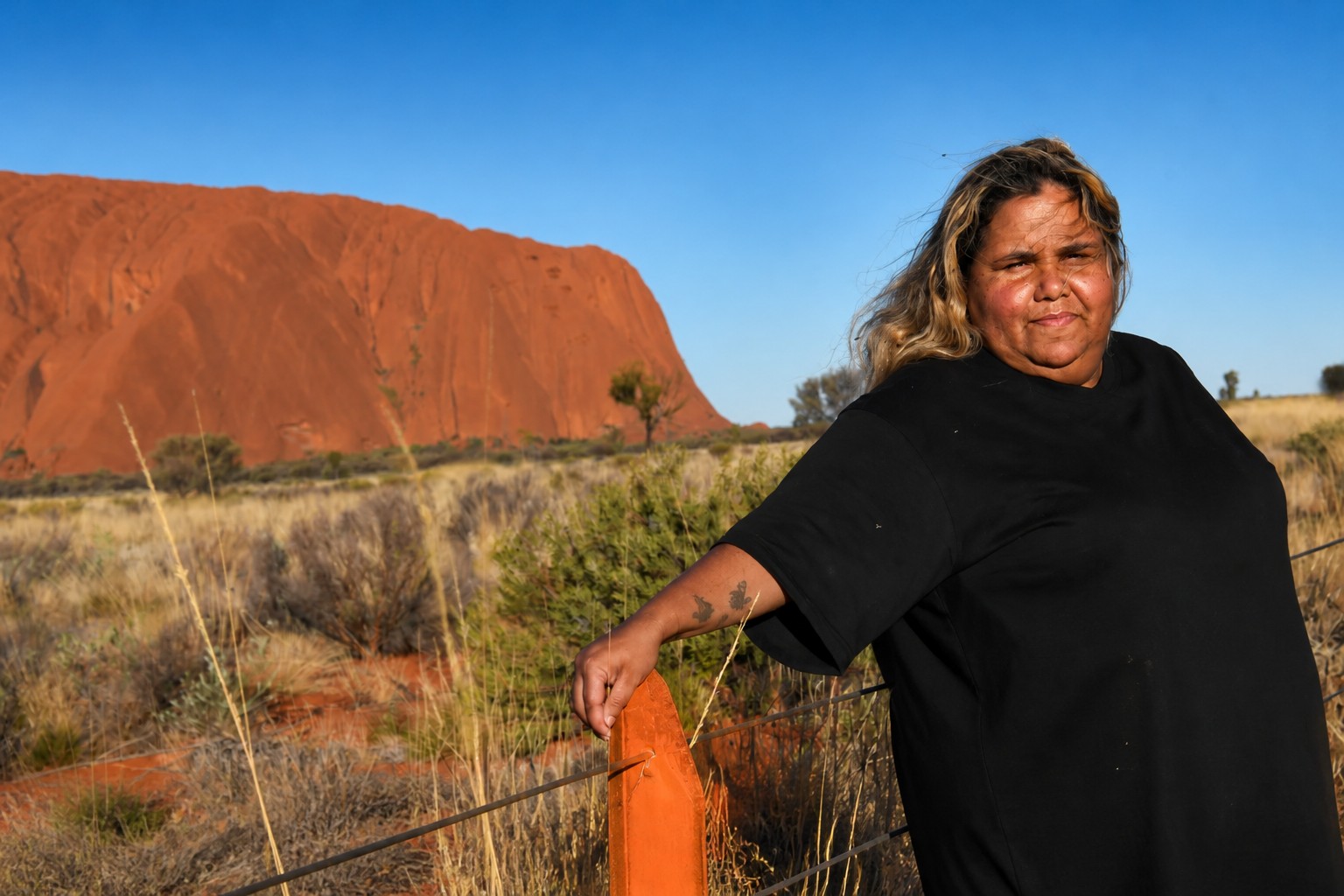
Scales says generated images lack the connection that gives an artwork its meaning: ties to culture, family history and an artist’s own experience. That makes “artificial” more than a label, in her view. It describes work detached from the people and communities whose styles it borrows.
Australia’s government has promised to protect local creators from copyright infringement. Prime Minister Anthony Albanese has pledged protection, and Attorney-General Michelle Rowland has said the government does not plan to weaken it. Yet AI has already been trained on works by prominent Australian artists, including Kylie Minogue and Nick Cave, without compensation.
The stakes are particularly high for Indigenous cultural and intellectual property. AI companies can collect material from the internet, including songs and artworks that contain sacred or cultural knowledge. The National Association for the Visual Arts says works have been altered, stripped of artists’ names and sold, causing cultural and economic harm.
The association says its members are concerned about AI images presented as Aboriginal art or as work inspired by Aboriginal culture. These can imitate community techniques, stories, motifs and distinctive marks, while spreading inaccurate information and competing with Indigenous artists.
When one licence becomes many uses
UNSW intellectual property law professor Kathy Bowrey says copyright infringement affected one in five creative workers even before AI became widespread. For Indigenous creators, she says, the problem is harder: they have less control over rights to their work, while respect for Aboriginal culture is often overlooked.
Bowrey describes a possible path from a legitimate commission to unauthorised reuse: an organisation pays to use an Aboriginal person’s work or image, then uses AI to “update” or remake it without permission. A corporate client could pay an artist once, Bowrey says, then generate derivative works without consent and use artists’ faces. The creator loses repeat commissions and must compete with AI while producing new work.
The association defines Indigenous data sovereignty as the right of Indigenous peoples to control their own data, cultural materials and knowledge. In a submission to the joint select committee examining AI, it cited work by Terri Janke, a Wuthathi and Meriam lawyer and international specialist in Indigenous cultural and intellectual property. Janke documented cases in which AI collected material from Indigenous art-centre websites, removed artists’ names and changed their work. She also warned that AI could reproduce cultural knowledge without regard for its accuracy or whether its use was appropriate.
A proposal for control, not just payment
Bowrey and her colleague Oliver Bown, an associate professor of creative technologies, have proposed a framework called Copyright Plus. It would require AI companies to disclose their data sources and give artists the right to prohibit the collection and imitation of their work.
The proposal also calls for levies on AI companies, with the proceeds used to pay creative workers and establish a cultural fund. Another proposed measure would let creators issue notices demanding the removal of fake content. Bowrey says the policy draft was prepared with the government’s stated priorities in mind.
The attorney-general’s spokesperson says the government is consulting creators, media companies and AI companies on possible measures, with the aim of giving creators real control and fair compensation in future copyright law changes.
I think the proposal’s central test is not whether AI companies can pay for what they use, but whether artists can refuse the use in the first place. Without that control, compensation risks becoming a fee for turning cultural work into a stream of imitations its creators never authorised.
Daily AI news
Every day we pick what actually matters in AI and explain it plainly — no hype, no filler. Subscribe if you want to follow where the industry is going.
Only what matters — every day
Follow on X