
A recovery with a caveat
Private home starts rose 11.6% to 31,707 in the year to June. The figure has been higher only once since 1994, excluding the HomeBuilder pandemic stimulus and a March 2000 rush to finish projects before the goods and services tax was introduced.
That is encouraging, but the quarter’s figures span both sides of the budget. They do not yet show whether the increase will last. The September-quarter data should give a clearer signal.
Public and social housing remains a much smaller part of the market. From 1955 to 1985, it made up an average of 13% of new homes. In the past 30 years, its share has never exceeded 4% outside the post-global-financial-crisis stimulus period. In the year to June, it was just 2.3%.
A Senate committee report published last week called for more public investment and clear targets. Senator Barbara Pocock proposed a national goal of raising public and community housing to at least 10% of Australia’s total housing stock over the next decade. The committee itself did not recommend specific measures.
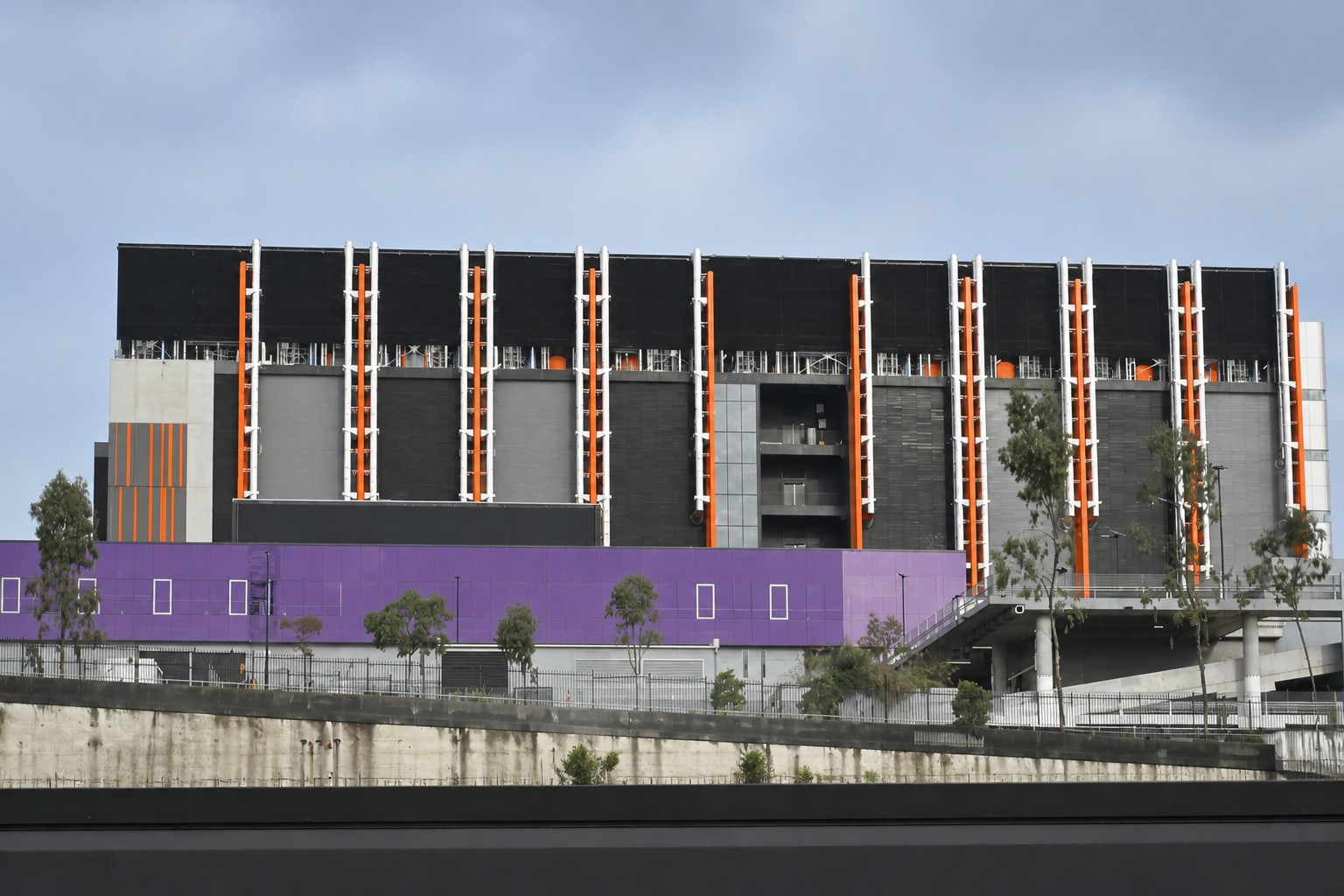
Data centers take a larger share
The Australian Bureau of Statistics groups data centers under “commercial building not elsewhere classified.” That category usually represents about 1% of the value of non-residential construction starts. In the year to June, its share reached 20.
The data-center surge accounted for just under three-quarters of the increase in non-residential construction starts over the year. Australia also spent more than 17 times as much on data centers as on factories, even though factory construction typically attracts almost twice the spending of that category.
Those figures do not prove that data centers are displacing housing projects. But they show how sharply investment has shifted toward buildings that need construction capacity while offering little employment once complete. Unlike a home, a data center will not house people for the next 40 years.
The constraint is people, not just money
Housing supply depends on having enough workers to build homes. The data-center boom adds another major call on those resources just as housing construction is picking up.
I think the central uncertainty is not whether Australia can attract money for construction, but whether the money and labor are going to projects that meet the country’s needs. The data show a large commitment to data centers; they do not show what public benefit Australia will get in return.
That leaves a tension in the recovery: housing starts are rising, but the same construction capacity is being directed toward buildings that provide neither homes nor many lasting jobs. If the promised gains from data centers do not materialize, the opportunity cost will be visible in the homes that were not built.
Daily AI news
Every day we pick what actually matters in AI and explain it plainly — no hype, no filler. Subscribe if you want to follow where the industry is going.
Only what matters — every day
Follow on X