

A forum with a short record of delivery
Britain last chaired the G20 in 2009, when Prime Minister Gordon Brown led efforts to respond to the global financial crisis. Ahead of the London summit, French President Nicolas Sarkozy complained that “none of us has a plan.” Barack Obama quickly replied that Brown did.

Source: theguardian.com
Brown secured agreement on a $5 trillion fiscal stimulus package, increased lending to developing countries through the International Monetary Fund, and a new global coordinator for financial regulation: the Financial Stability Board.
That year was an exception. The G20 has no headquarters or staff, and no permanent website. Its 19 member countries, the European Union and the African Union rely on summit communiqués that usually record minimum agreement rather than compel action. Notable exceptions include the suspension of developing-country debt payments during the COVID-19 pandemic in 2020 and the later creation of a “common framework” for resolving debt.
Hosting a summit often matters more as a display of national standing than as a route to joint decisions. Donald Trump boycotted last year’s summit, while South African President Cyril Ramaphosa was glad that leaders managed to agree on any communiqué at all. The United States hosts this year’s summit in December, at one of Trump’s properties near Miami. It is likely to showcase personal and American power, with little effort to build multilateral cooperation.
That leaves Britain with a harder task next year: showing that the United States, China and other major powers can still work together on problems they share.
Four areas for agreement
The proposed agenda links four kinds of security: technological, food, climate and economic.
The case for these priorities is that each depends on international cooperation and could win support across the G20 despite wider disputes among leaders. The first three also connect directly to concerns visible to the British public, while debt relief could help restore prospects for economic growth.
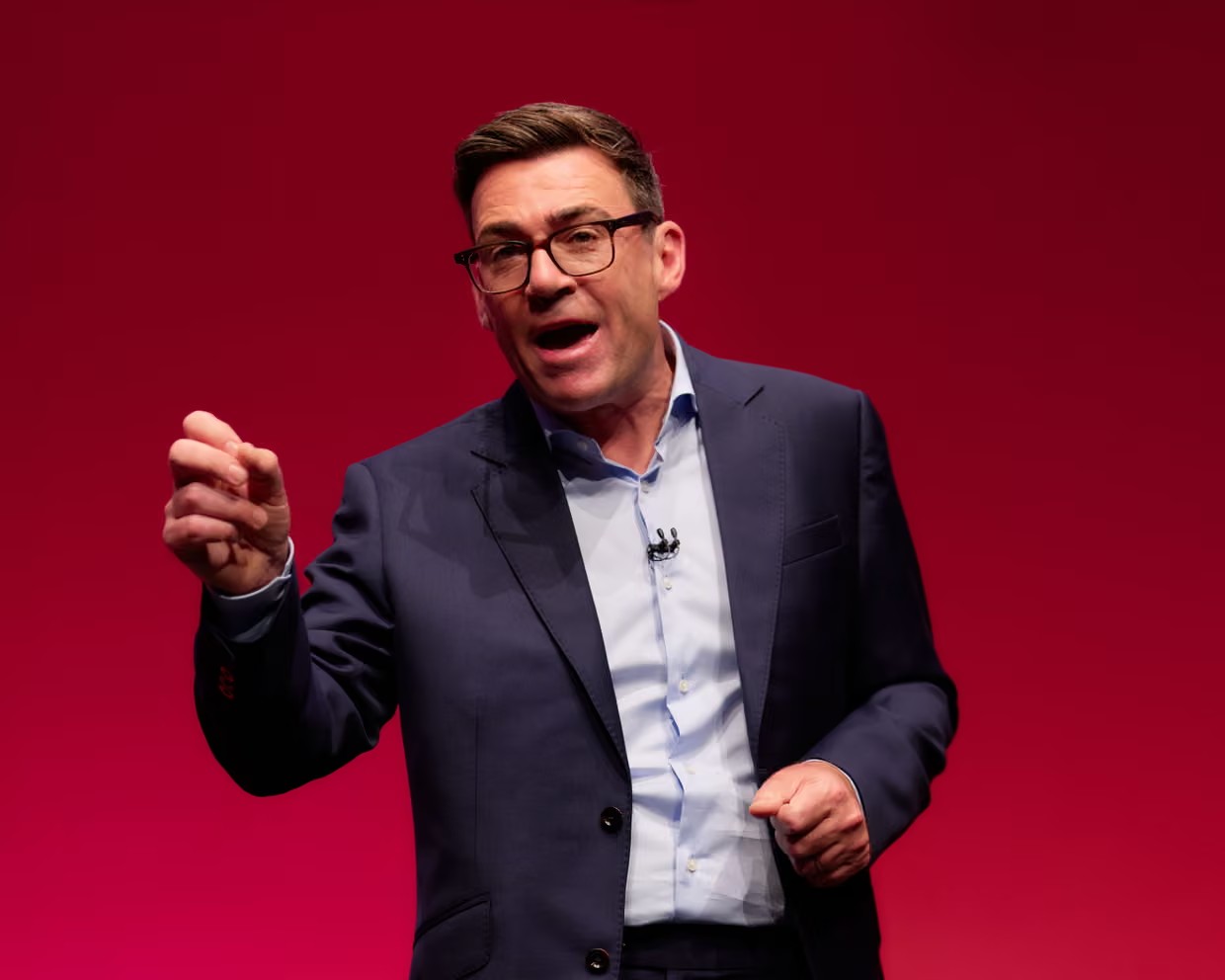
Andy Burnham speaking at the Labour party conference in Liverpool last week. Photograph: Michael Bowles/Shutterstock
Source: theguardian.com
I think the most important test is not whether Burnham can produce an ambitious agenda, but whether the G20 can turn even one part of it into a commitment that outlasts the summit. The group’s history suggests that agreement itself is scarce; a plan for AI regulation, food security or debt will mean little without a way to carry it forward.
G20 hosts often choose a slogan to capture their priorities. Burnham has spoken elsewhere about giving people hope. “National security through international cooperation” would be a credible frame for the presidency—and a political legacy only if the cooperation is more than words.
Daily AI news
Every day we pick what actually matters in AI and explain it plainly — no hype, no filler. Subscribe if you want to follow where the industry is going.
Only what matters — every day
Follow on X